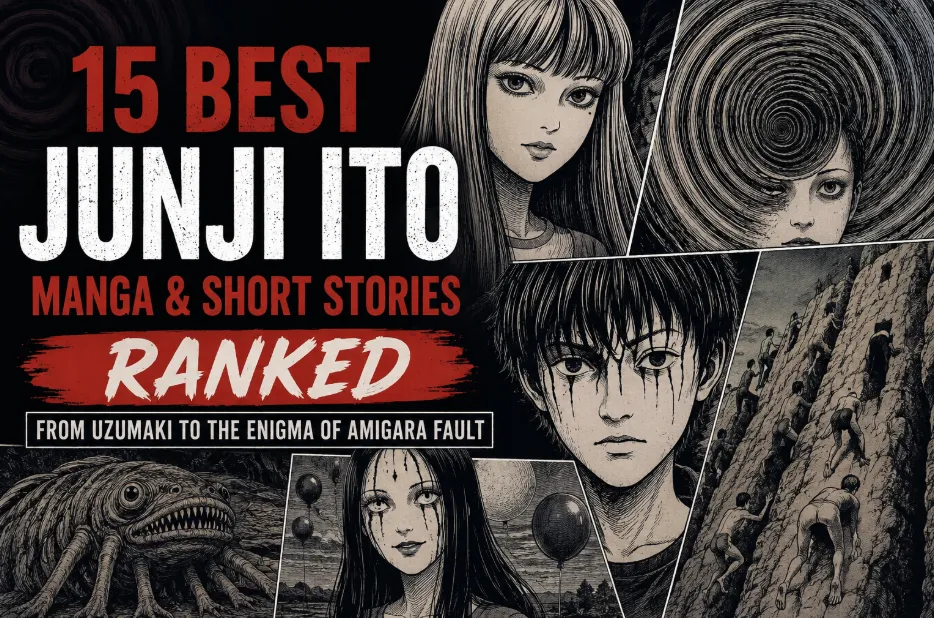
Few horror manga creators have influenced the genre as deeply as Junji Ito. From the spiral-driven madness of Uzumaki to the psychological terror of The Enigma of Amigara Fault, his stories have become legendary among horror manga fans worldwide. What makes Junji Ito’s work so unique is that his horror rarely depends on jump scares alone. Instead, his stories explore obsession, body horror, paranoia, existential dread, and the fear of losing control over reality itself. Some are visually grotesque, while others leave a lingering psychological impact long after reading.
With dozens of manga, short stories, and horror collections released over the years, deciding where to start can be surprisingly difficult — especially for new readers. Some stories are beginner-friendly introductions to Ito’s style, while others dive deeply into surrealism, psychological horror, and disturbing existential themes. This guide ranks the 15 best Junji Ito manga and short stories, from universally acclaimed masterpieces to hidden horror gems that deserve far more attention.
The Best Junji Ito Manga & Short Stories at a Glance
Before diving into the full rankings, here’s a quick overview of Junji Ito’s most essential horror manga and short stories. To make the list more useful for both new and experienced readers, each entry is evaluated across several horror categories:
-
Visual Horror – grotesque imagery, body horror, and disturbing visual impact
-
Psychological Horror – anxiety, paranoia, and lingering mental unease
-
Disturbance Level – overall discomfort and existential dread
-
Beginner Friendly – how accessible the story is for first-time Junji Ito readers
These scores are comparative guides based on reader consensus, horror community discussions, and the overall cultural impact of each work.
| Rank | Story | Horror Type | Visual Horror | Psychological Horror | Disturbance Level | Beginner Friendly | Best For |
|---|---|---|---|---|---|---|---|
| 1 | Uzumaki | Cosmic Horror | 10/10 | 9.5/10 | 10/10 | High ★★★★★ | First-time readers |
| 2 | Tomie | Obsession Horror | 9.5/10 | 10/10 | 9.5/10 | High ★★★★★ | Psychological horror fans |
| 3 | Gyo | Body Horror | 10/10 | 8.5/10 | 10/10 | Medium ★★★☆☆ | Extreme horror readers |
| 4 | The Enigma of Amigara Fault | Existential Horror | 6.5/10 | 10/10 | 9/10 | High ★★★★★ | Short psychological horror |
| 5 | Long Dream | Psychological Horror | 7/10 | 10/10 | 9/10 | Medium ★★★★☆ | Mind-bending horror |
| 6 | No Longer Human | Psychological Horror | 8/10 | 10/10 | 9.5/10 | Low ★★☆☆☆ | Mature readers |
| 7 | Black Paradox | Sci-Fi Horror | 8.5/10 | 9/10 | 8.5/10 | Medium ★★★★☆ | Sci-fi horror fans |
| 8 | The Hanging Balloons | Surreal Horror | 10/10 | 8.5/10 | 10/10 | High ★★★★★ | Iconic horror imagery |
| 9 | Hellstar Remina | Cosmic Horror | 9/10 | 8.5/10 | 9/10 | Medium ★★★☆☆ | Apocalypse horror fans |
| 10 | The Whispering Woman | Psychological Horror | 7.5/10 | 9/10 | 8/10 | Medium ★★★★☆ | Atmospheric horror readers |
| 11 | Lovesickness | Urban Legend Horror | 8/10 | 8/10 | 8.5/10 | Medium ★★★★☆ | Slow-burn mystery horror |
| 12 | Greased | Gross-Out Horror | 10/10 | 7/10 | 10/10 | Low ★★☆☆☆ | Extreme body horror |
| 13 | Slug Girl | Transformation Horror | 9/10 | 7.5/10 | 9/10 | Medium ★★★☆☆ | Classic Junji Ito weirdness |
| 14 | Layers of Fear | Body Horror | 8.5/10 | 8/10 | 9/10 | Medium ★★★☆☆ | Disturbing concept horror |
| 15 | My Dear Ancestors | Grotesque Horror | 9/10 | 7.5/10 | 8.5/10 | Medium ★★★☆☆ | Fans of bizarre creature design |
The 10 Essential Junji Ito Horror Masterpieces
While Junji Ito has created many disturbing manga and short stories, a handful stand out as true defining works of his horror style. These stories showcase everything from body horror and psychological breakdowns to cosmic dread and surreal, reality-bending concepts. Together, they represent the core of why Junji Ito remains one of the most influential horror manga creators. Below are the 10 most essential Junji Ito stories, ranked not only by impact, but by what makes each one unforgettable.
#1 — Uzumaki
Where to Read: Viz Media
Keywords: Cosmic Horror, Obsession, Body Horror, Psychological Horror
The Hook: A quiet coastal town slowly falls under the influence of a strange spiral pattern that begins to corrupt everyday life, people, and reality itself.
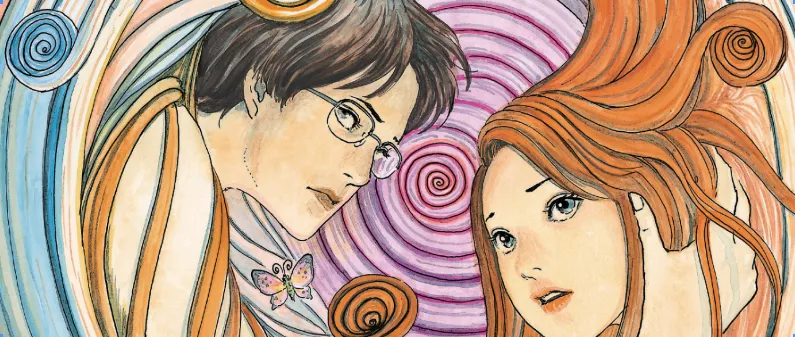
Why It’s a Masterpiece: Uzumaki is widely regarded as Junji Ito’s defining work because it transforms a simple geometric shape into a fully developed force of horror. Instead of relying on a single antagonist, the story builds its fear through escalation. Each chapter introduces a different spiral-related phenomenon, gradually pushing the narrative from subtle unease to large-scale physical and psychological transformation. What makes it especially effective is its sense of inevitability. The horror is not something characters can fight directly—it is a pattern that keeps evolving and spreading, regardless of resistance.
What Makes It Disturbing: The core horror comes from helpless awareness. Characters often understand that something is wrong, yet still find themselves drawn deeper into it. Visually, the manga is filled with iconic imagery: bodies twisted into unnatural spiral forms, collapsing environments, and surreal transformations that feel structured yet deeply wrong.
#2 — Tomie
Where to Read: Viz Media
Keywords: Obsession Horror, Psychological Horror, Immortality, Body Horror
The Hook: A mysterious girl named Tomie appears in people’s lives, driving them into obsession, madness, and ultimately violence—yet she can never truly die.
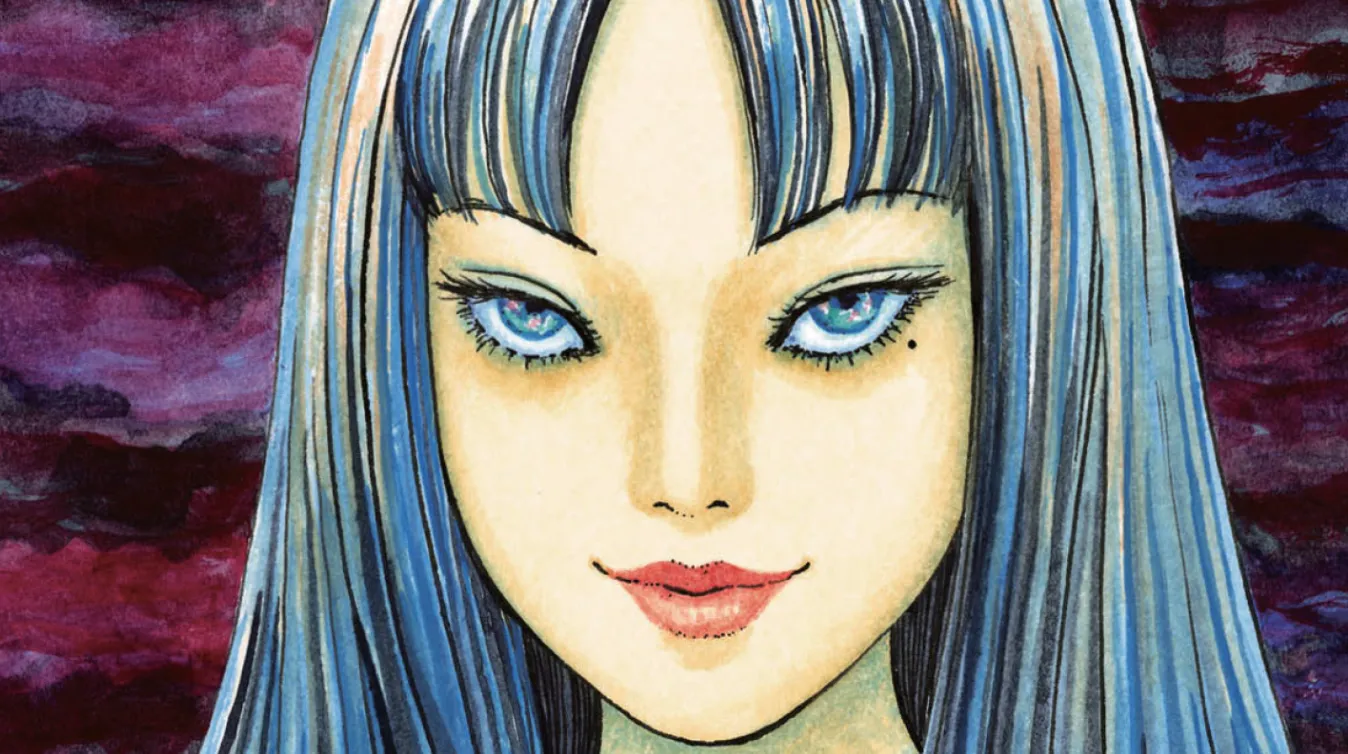
Why It’s a Masterpiece: Tomie is one of Junji Ito’s earliest and most iconic creations, built around the unsettling idea of an immortal girl who continuously returns no matter how many times she is killed. Unlike traditional horror stories with a clear beginning and end, Tomie is structured as a repeating cycle. Each story follows a different encounter with Tomie, but the outcome is always the same: obsession, jealousy, violence, and her inevitable return. This repetition is what makes the series uniquely disturbing. The horror does not come from a single event, but from the realization that nothing can ever truly resolve the presence of Tomie.
What Makes It Disturbing: The central horror of Tomie lies in psychological manipulation. Characters become irrationally obsessed with her beauty, often leading to jealousy-driven violence or complete mental breakdowns. Even after being dismembered or destroyed, Tomie regenerates or multiplies, reinforcing the idea that desire and obsession cannot be eliminated through force. The body horror elements are also highly graphic, often showing grotesque regeneration and fragmentation.
#3 — Gyo
Where to Read: Viz Media
Keywords: Body Horror, Sci-Fi Horror, Infection, Apocalyptic Horror
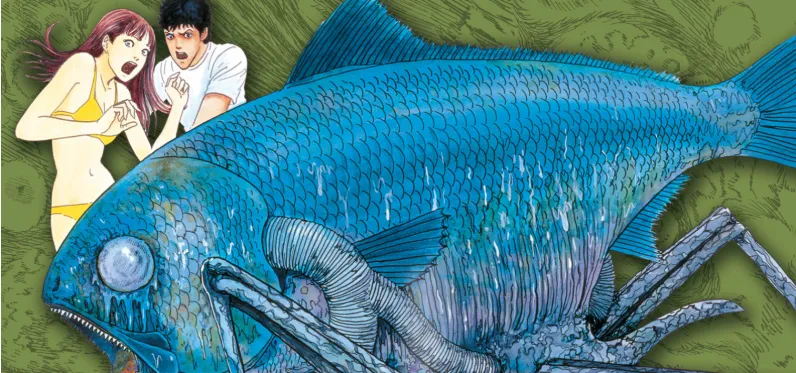
The Hook: A strange walking fish with mechanical legs appears, triggering a chain of infections that spreads across Japan and eventually evolves into a full-scale ecological nightmare.
Why It’s a Masterpiece: Gyo stands out in Junji Ito’s work because it blends grotesque body horror with apocalyptic science fiction. Unlike his more psychological stories, Gyo escalates quickly into a global-scale infection narrative. What begins as a bizarre anomaly soon becomes an uncontrollable outbreak, affecting humans, animals, and the environment itself. The manga’s pacing is relentless, pushing the reader through increasingly disturbing transformations without giving much time to recover. This creates a constant sense of discomfort and dread.
What Makes It Disturbing: The horror in Gyo is primarily physical and sensory. The combination of rotting flesh, mechanical movement, and infection creates an almost suffocating atmosphere.One of its most unsettling aspects is how the infection spreads silently and persistently, turning both living beings and environments into unnatural hybrids of machine and decay.
#4 — The Enigma of Amigara Fault
Where to Read: Scribd
Keywords: Psychological Horror, Existential Horror, Obsession, Mystery
The Hook: After a devastating earthquake exposes a strange cliff filled with human-shaped holes, people begin to feel an uncontrollable urge to find “the hole made for them.”
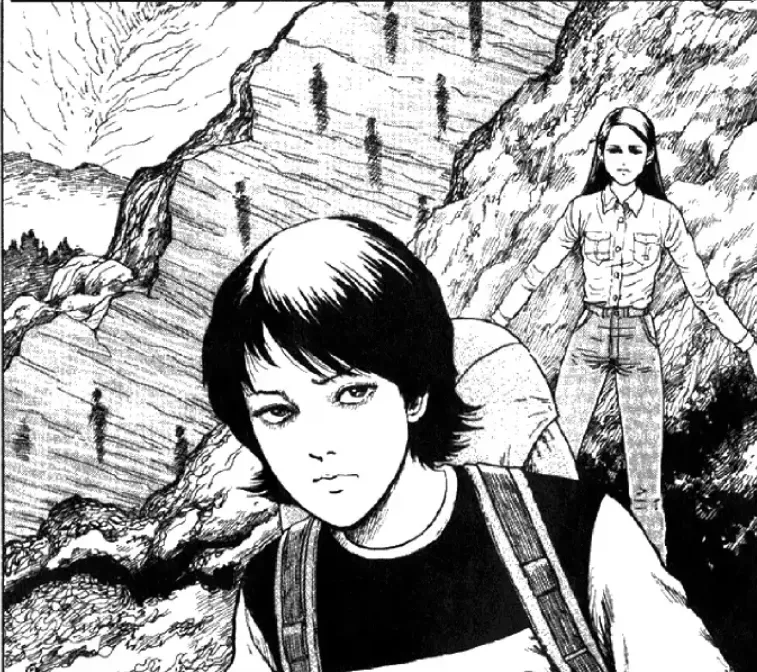
Why It’s a Masterpiece: The Enigma of Amigara Fault is one of Junji Ito’s most famous short stories, known for turning a simple geological anomaly into a deeply unsettling psychological horror experience.Unlike traditional horror that relies on monsters or violence, this story builds tension through curiosity and inevitability. The concept itself is simple: human-shaped holes appear in a mountain after a disaster, and people become convinced that each hole is “meant” for a specific person. As the story progresses, this sense of “destiny” becomes more disturbing than comforting, revealing how easily human psychology can be manipulated by pattern recognition and irrational certainty.
What Makes It Disturbing: The horror of Amigara Fault is entirely psychological. There is no traditional antagonist, yet the sense of dread intensifies as characters willingly enter the holes despite knowing something is deeply wrong. The most unsettling aspect is the lack of external force—no one is being physically pushed. The compulsion comes from within, making the experience feel inescapable and deeply personal. The story also uses silence, emptiness, and spatial confinement to create a claustrophobic atmosphere that lingers long after reading.
#5 — Long Dream
Where to Read: Viz Media
Keywords: Psychological Horror, Time Distortion, Body Horror, Existential Horror
The Hook: A hospital patient begins experiencing dreams that grow longer and more realistic over time—so long that he starts losing the ability to distinguish dream from reality.
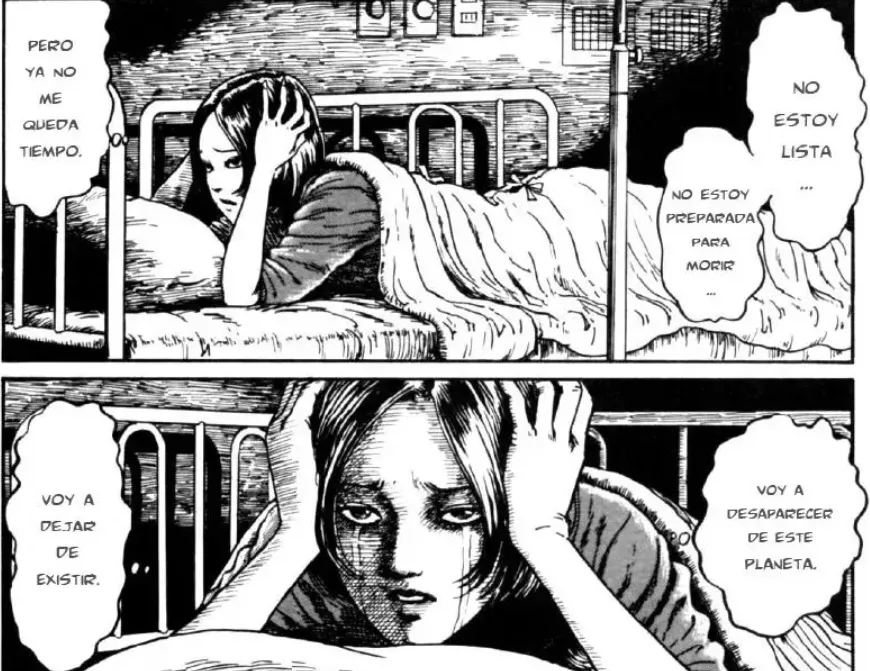
Why It’s a Masterpiece: Long Dream is a psychological horror story built around a simple but terrifying idea: what if time itself inside your dreams begins to expand beyond control? Unlike typical horror narratives, there is no external threat. Instead, the horror is structural and conceptual. The story explores the gradual breakdown of perception as the protagonist’s dream cycles become increasingly extended, blurring the boundary between sleep and waking life. The strength of the story lies in its escalation. Each “dream” feels longer, more distorted, and more detached from reality, creating a growing sense of disorientation.
What Makes It Disturbing: The most disturbing aspect of Long Dream is the loss of temporal stability. As the protagonist’s dream duration increases, his identity and perception of reality begin to deteriorate. The horror is not sudden—it is cumulative. Readers experience the same confusion as the character, gradually losing the ability to tell what is real. There are also subtle body horror elements, as prolonged dream states begin to affect the physical body in unnatural ways.
#6 — No Longer Human
Where to Read: Viz Media
Keywords: Psychological Horror, Depression, Identity Crisis, Literary Horror
The Hook: Based on Osamu Dazai’s classic novel, this manga follows a deeply troubled man whose inability to connect with others gradually leads him toward self-destruction.
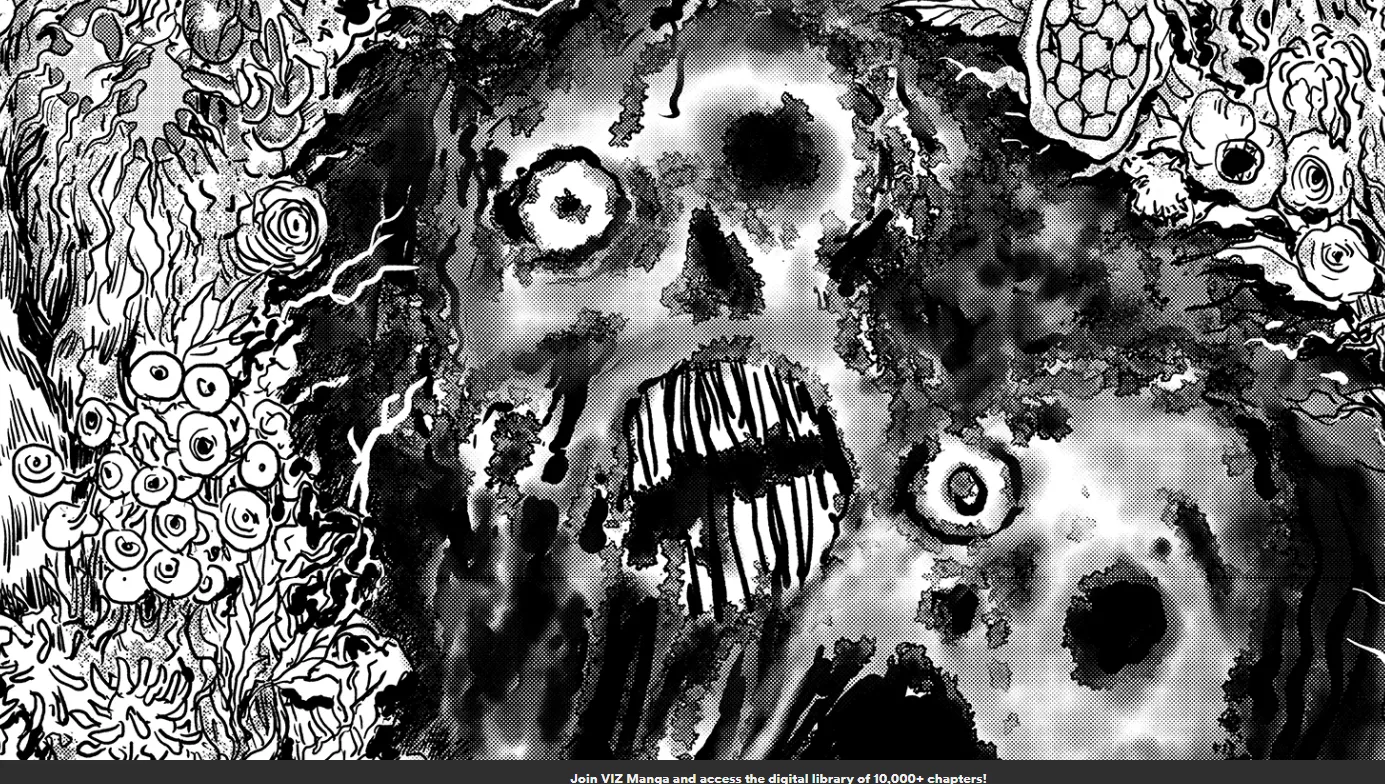
Why It’s a Masterpiece: No Longer Human is one of Junji Ito’s most ambitious works, transforming a celebrated literary classic into a visually haunting psychological horror experience. Unlike many of his supernatural stories, the horror here is entirely human. There are no monsters, curses, or paranormal threats. Instead, the narrative focuses on alienation, self-loathing, and the slow collapse of a person who feels fundamentally disconnected from society. Junji Ito’s artwork amplifies the emotional weight of the original novel, turning internal suffering into disturbing visual imagery that makes the protagonist’s mental state impossible to ignore.
What Makes It Disturbing: The unsettling power of No Longer Human comes from how realistic its fears feel. The protagonist is not battling an external force but his own insecurities, addictions, and inability to form genuine human connections. Many readers find the story more disturbing than Ito’s supernatural works because its themes are grounded in real human experiences. The gradual decline of the protagonist feels tragic, uncomfortable, and painfully believable. Rather than shocking the reader with sudden horror, the manga creates a persistent sense of emotional dread that becomes heavier with every chapter.
#7 — Black Paradox
Where to Read: Viz Media
Keywords: Sci-Fi Horror, Psychological Horror, Parallel Worlds, Existential Horror
The Hook: Four strangers meet through a suicide support group, but their planned deaths lead them into a bizarre series of events involving parallel worlds, mysterious energy sources, and terrifying discoveries about life and death.
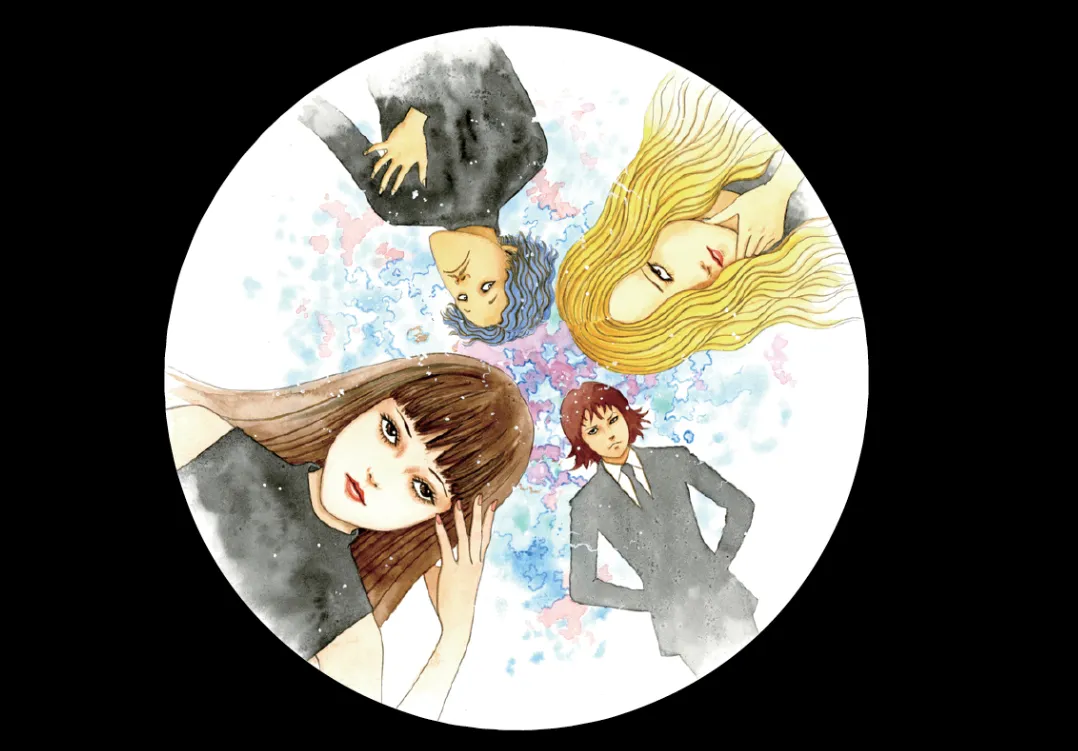
Why It’s a Masterpiece: Black Paradox stands out from many of Junji Ito’s works by combining psychological horror with science fiction concepts. What begins as a story about loneliness and suicide gradually evolves into a complex narrative involving alternate realities, identity, and humanity’s obsession with transcending death. Rather than focusing on a single frightening event, the manga continuously expands its scope, introducing increasingly strange ideas that challenge the reader's understanding of reality. The result is one of Ito’s most ambitious long-form stories, filled with twists, mysteries, and unsettling concepts that linger long after the final chapter.
What Makes It Disturbing: The horror in Black Paradox comes from its exploration of the unknown. Every answer uncovered by the characters leads to even more disturbing questions, creating a constant sense of uncertainty.The manga also features several memorable body horror sequences, but its greatest strength lies in the fear of losing one's identity. As reality becomes more unstable, the characters are forced to confront versions of themselves and possibilities that should not exist.The combination of existential dread and surreal science-fiction ideas makes the story uniquely unsettling within Junji Ito’s catalog.
#8 — The Hanging Balloons
Where to Read: Scribd
Keywords: Surreal Horror, Psychological Horror, Apocalypse Horror, Urban Legend
The Hook: Giant floating balloons with human faces begin appearing across Japan. Each balloon resembles a specific person and will stop at nothing until it reaches its intended victim.
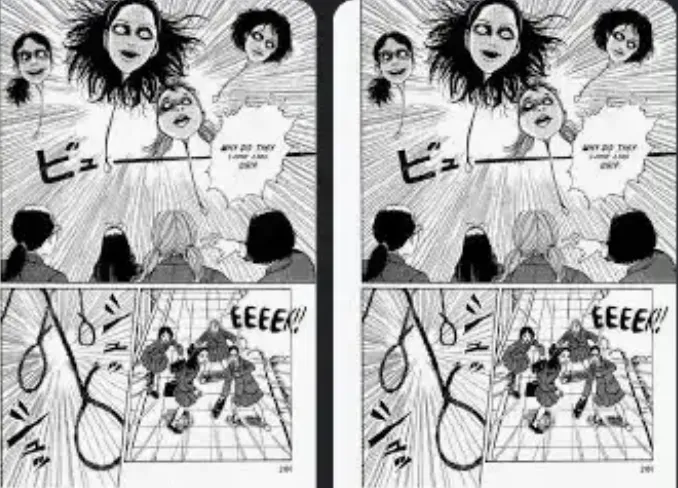
Why It’s a Masterpiece: The Hanging Balloons perfectly demonstrates Junji Ito’s ability to transform an absurd concept into a genuinely terrifying nightmare. The premise sounds almost ridiculous at first glance, yet the story quickly becomes disturbing because of its unwavering commitment to its own logic. Once the balloons appear, society begins to collapse as people realize that everyone has a balloon searching specifically for them. What makes the story so memorable is how efficiently it builds fear. In just a short number of pages, Ito creates an apocalyptic scenario that feels both surreal and strangely believable.
What Makes It Disturbing: The most unsettling aspect of The Hanging Balloons is its sense of inevitability. The victims know exactly what is coming for them, but there is no clear way to escape. The story also taps into a primal fear of being hunted. The balloons move slowly, yet their persistence creates constant tension because they never stop searching. Visually, the image of a gigantic human face silently floating in the sky has become one of the most iconic and recognizable scenes in Junji Ito's entire body of work.
#9 — Hellstar Remina
Where to Read: Viz Media
Keywords: Cosmic Horror, Apocalypse Horror, Survival Horror, Sci-Fi Horror
The Hook: After a scientist discovers a mysterious new planet and names it after his daughter Remina, the celestial body begins moving toward Earth, triggering worldwide panic and chaos.
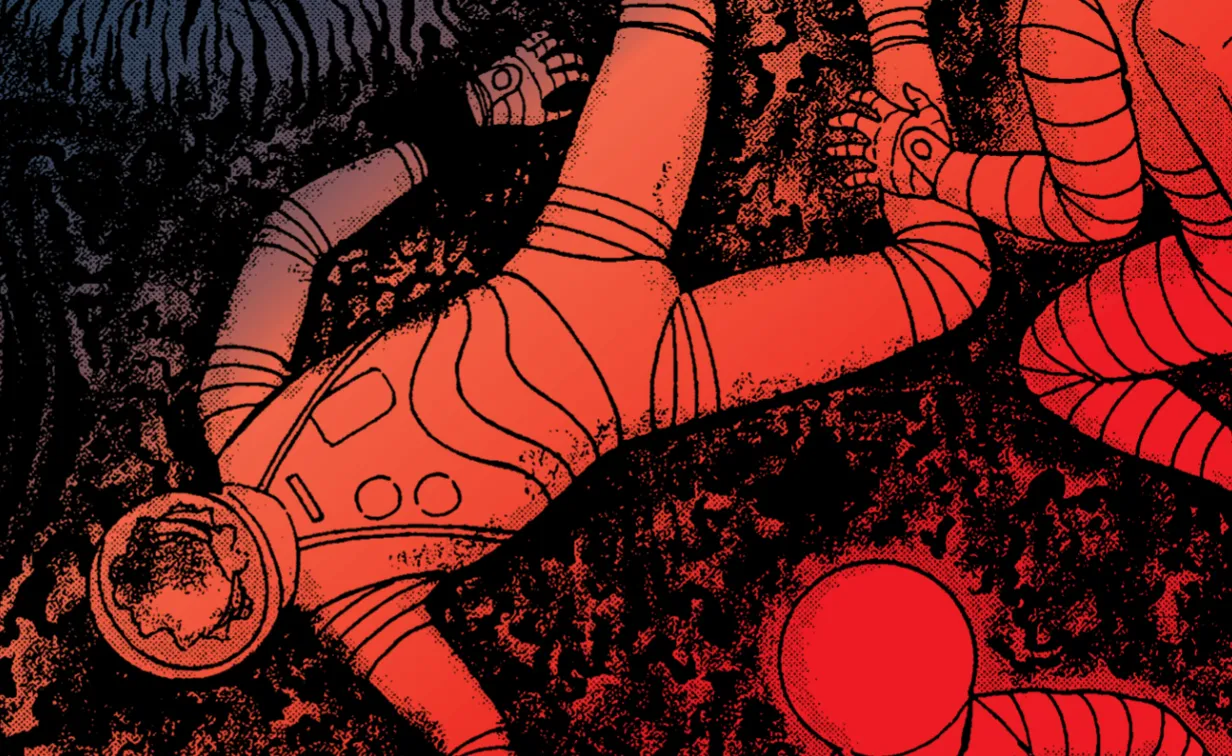
Why It’s a Masterpiece: Hellstar Remina is one of Junji Ito’s most ambitious explorations of cosmic horror, expanding his trademark sense of dread to a planetary scale. Rather than focusing on a haunted house, cursed object, or isolated town, the story asks a terrifying question: what happens when an entire civilization realizes that extinction may be inevitable? As the threat grows larger, the manga shifts its focus from the cosmic entity itself to humanity’s reaction. Fear quickly turns into hysteria, paranoia, and violence, revealing how fragile social order can become when faced with an unimaginable crisis.
What Makes It Disturbing: The horror of Hellstar Remina comes from both the scale of the threat and the behavior of ordinary people. The approaching planet feels unstoppable, creating a constant sense of helplessness. At the same time, the story shows how quickly fear can transform crowds into mobs, making human beings almost as frightening as the cosmic disaster itself. The combination of cosmic dread, social collapse, and relentless pursuit gives the manga an atmosphere of panic that rarely lets up.
#10 — Lovesickness
Where to Read: Viz Media
Keywords: Urban Legend Horror, Psychological Horror, Mystery, Supernatural Horror
The Hook: A young man returns to his hometown only to find the city consumed by strange rumors, fortune-telling rituals, and a mysterious figure known as the Handsome Boy at the Crossroads.
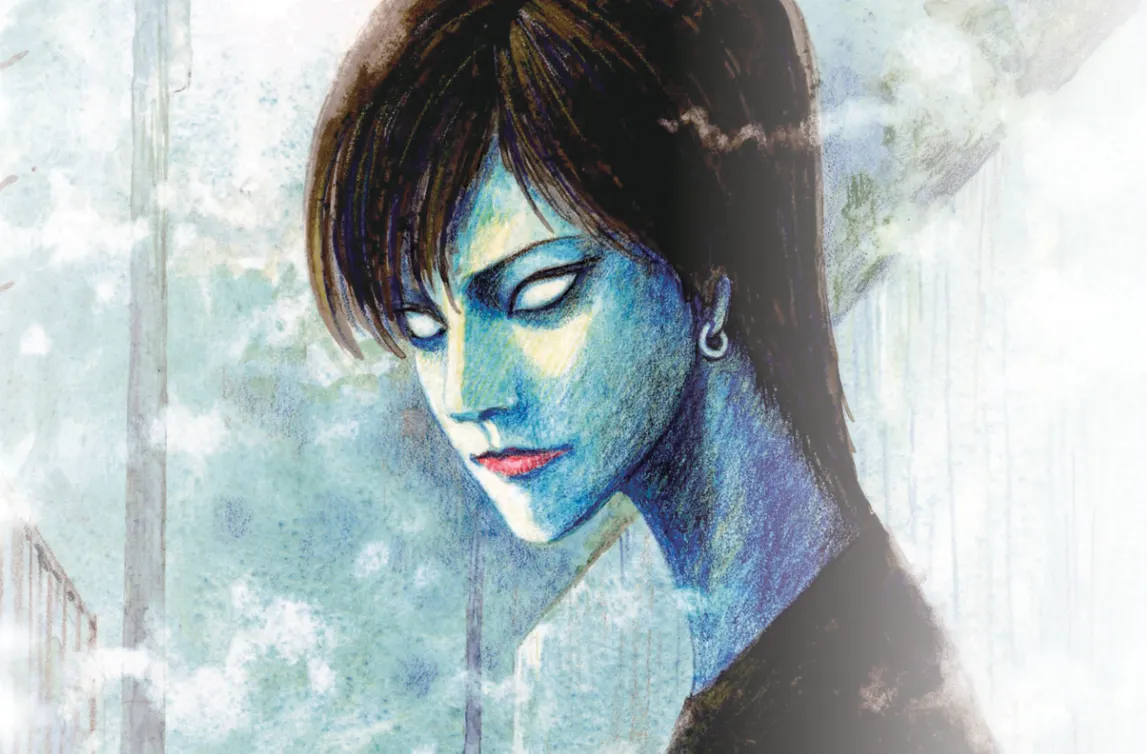
Why It’s a Masterpiece: Lovesickness is one of Junji Ito’s most atmospheric stories, blending urban legends, psychological horror, and supernatural mystery into a slow-burning nightmare.Unlike many of Ito’s works that rely on shocking imagery or extreme body horror, Lovesickness builds tension through uncertainty. The story gradually unravels the connection between local superstitions, public obsession, and a series of disturbing events that begin affecting the entire community.Its strength lies in its ability to create an eerie sense of unease. The mystery unfolds piece by piece, encouraging readers to question what is real, what is imagined, and how far collective belief can influence human behavior.
What Makes It Disturbing: The horror in Lovesickness comes from obsession and social contagion. As rumors spread throughout the town, they begin shaping the actions and emotions of the people who believe them. Rather than presenting a single terrifying monster, the story creates fear through atmosphere, paranoia, and the gradual breakdown of rational thinking. The result is a haunting urban legend that feels unsettling precisely because it could almost exist in the real world.
Bonus: 5 More Disturbing Junji Ito Stories Worth Reading
While the top 10 represent Junji Ito’s most essential works, there are still many short stories that showcase his creativity in horror. Here are five additional unsettling reads worth exploring.
#11 — The Whispering Woman
Where to Read: Viz Media
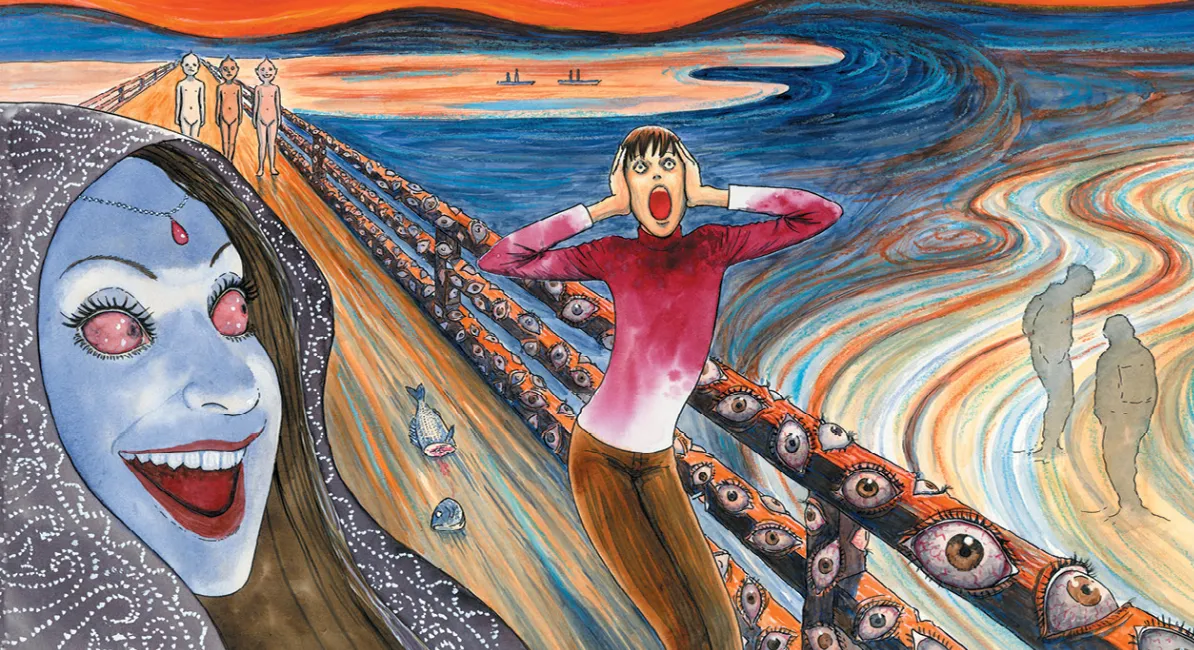
The Whispering Woman is a slow, atmospheric horror story centered on a fragile girl and a mysterious caregiver whose constant whispering begins to influence her mental state. The horror builds quietly through psychological manipulation rather than shocking events. What makes it disturbing is the growing dependence on an unsettling presence that feels both comforting and invasive at the same time.
#12 — Greased
Where to Read: Viz Media
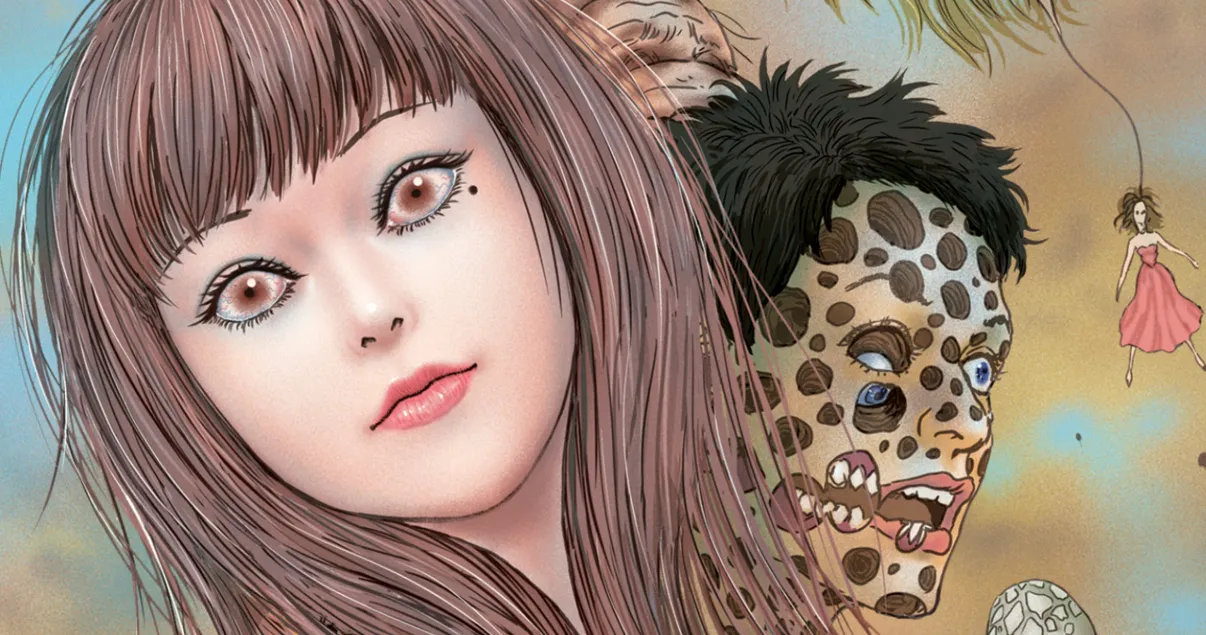
Greased is a body horror-driven short story that focuses on extreme physical transformation and grotesque visual imagery. Its impact comes almost entirely from visual discomfort. The story leans into exaggerated bodily distortion to create a strong visceral reaction rather than a psychological buildup.
#13 — Slug Girl
Where to Read: Viz Media
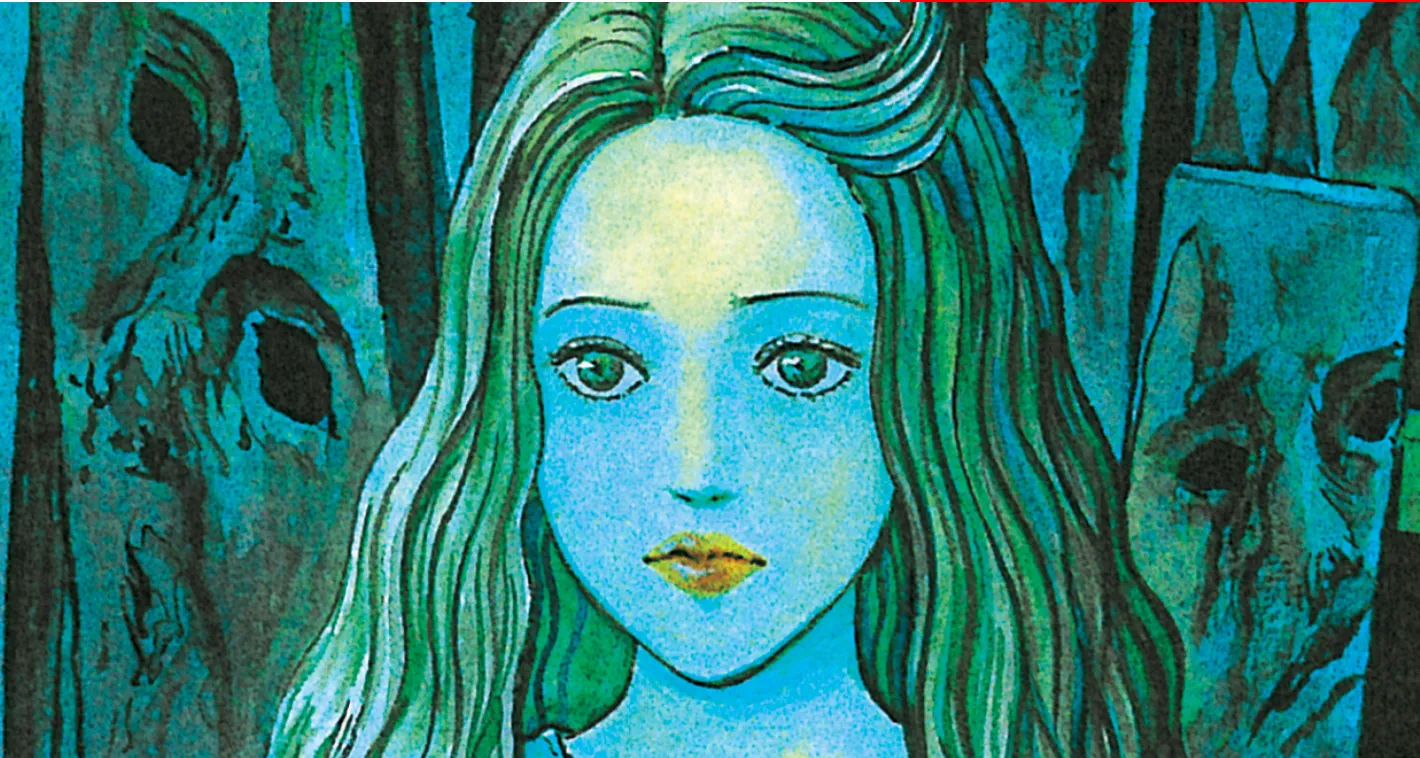
Slug Girl is a classic transformation horror story where a young girl slowly undergoes a disturbing physical change that strips away her humanity. The horror lies in the gradual loss of identity through bodily transformation, creating a sense of helplessness as the change becomes irreversible.
#14 — Layers of Fear
Where to Read: Scribd
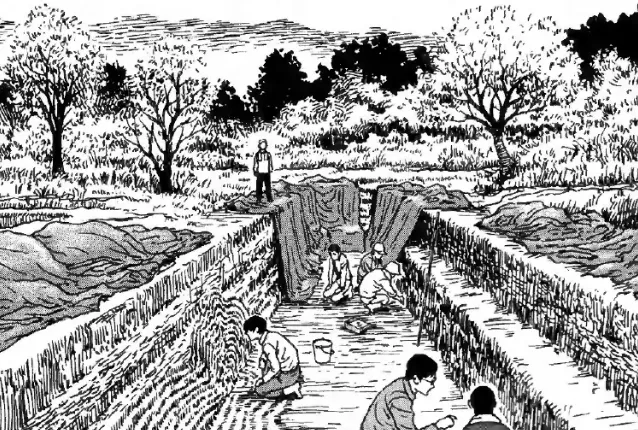
Layers of Fear explores the idea of peeling away layers of the human body to reveal something increasingly disturbing underneath. The story blends body horror with existential unease, focusing on the unsettling idea that human identity may not be as stable as it seems.
#15 — My Dear Ancestors
Where to Read: Imgur
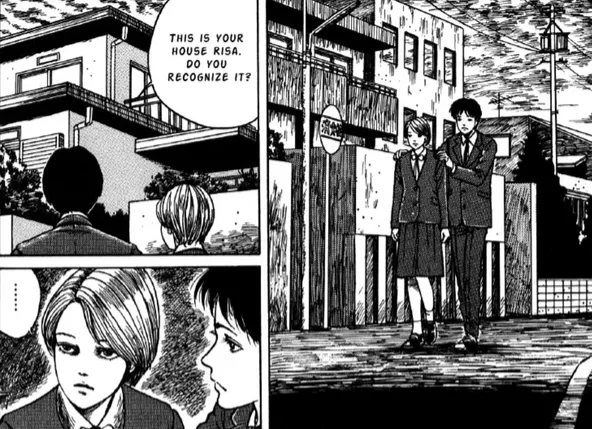
My Dear Ancestors is one of Junji Ito’s most grotesque family-themed horror stories, featuring surreal and disturbing inherited physical traits. Its horror comes from exaggerated anatomical design and the uncomfortable idea of inherited deformity, making it both symbolic and visually disturbing.
Frequently Asked Questions (FAQ)
1. What is the best Junji Ito manga for beginners?
The best starting points are Uzumaki and Tomie. Uzumaki offers a complete, structured horror story, while Tomie introduces Junji Ito’s signature obsession-based horror in short, digestible arcs.
2. What is the scariest Junji Ito story?
Many fans consider The Enigma of Amigara Fault one of the most disturbing due to its psychological concept of “the hole meant for you.” For body horror, Gyo and The Hanging Balloons are also frequently cited as extremely terrifying.
3. What makes Junji Ito’s horror so unique?
Junji Ito’s horror focuses on psychological dread, body horror, and existential fear rather than traditional jump scares. His stories often explore obsession, inevitability, and the breakdown of reality, making the horror linger long after reading.
4. Are Junji Ito stories connected?
Most Junji Ito stories are standalone and not part of a shared universe. However, they often share similar themes, such as obsession, transformation, and psychological collapse, which create a recognizable horror style across all his works.
5. Where should I start reading Junji Ito?
A great starting order is:
-
Beginner: Uzumaki → Tomie
-
Intermediate: The Enigma of Amigara Fault → Long Dream
-
Advanced: Gyo → Hellstar Remina
This progression helps readers gradually adjust to increasing levels of psychological and visual horror.
Final Thoughts: The Legacy of Junji Ito
From body horror to psychological collapse and cosmic-scale terror, Junji Ito’s stories continue to define what modern horror manga can achieve. His work doesn’t rely on traditional scares—instead, it builds unsettling ideas that stay with the reader long after the story ends, lingering through imagery, concepts, and a sense of unease that is difficult to shake.
Whether you are discovering his work for the first time or revisiting his most iconic nightmares, these 15 stories offer a clear view into why Junji Ito remains one of the most influential horror creators in manga history.