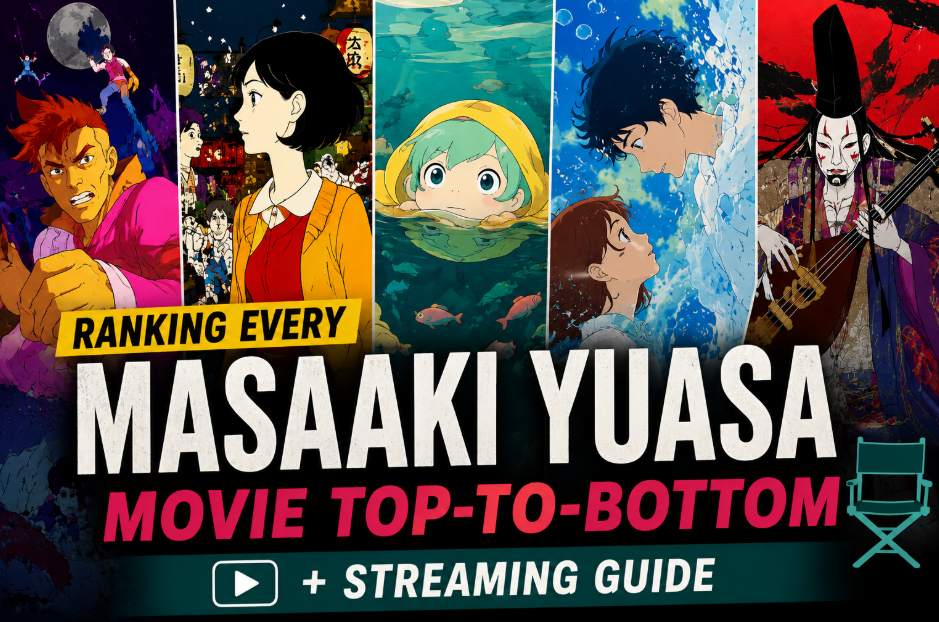
If you’ve ever watched an anime feature film that feels like a lucid, neon-soaked dream where reality, emotion, and logic quietly fall apart, you’ve likely already experienced the work of Masaaki Yuasa. Known for his fluid animation style, surreal visual storytelling, and intense emotional energy, Yuasa is one of the most distinctive directors in modern Japanese animation. His films don’t just tell stories—they reshape them into something unpredictable, expressive, and deeply human, whether it’s a chaotic experimental journey like Mind Game or a musical historical epic like Inu-Oh.
Over the past two decades, he has directed a small but highly influential collection of feature films, each radically different in tone, style, and emotional impact. This diversity has made him one of anime’s most recognized experimental auteurs. But where should you start? Which of his visual experiments stands as his undisputed masterpiece, and which ones are better left for seasoned fans?
This guide ranks all of Masaaki Yuasa’s feature films from top to bottom based on artistic ambition, storytelling strength, emotional impact, and accessibility. It also includes a 2026 streaming guide, along with a brief section on selected short films and special works for additional context.
Masaaki Yuasa Feature Films Overview
Here is a quick overview of all Masaaki Yuasa’s feature films ranked in this article, along with their release years and key stylistic traits.
| Rank | Film | Year | Style | Emotional Tone | Accessibility |
|---|---|---|---|---|---|
| #1 | Mind Game | 2004 | Experimental, surreal chaos | Wild / transformative | Low |
| #2 | Inu-Oh | 2021 | Historical rock opera | Epic / emotional | Medium |
| #3 | The Night Is Short, Walk on Girl | 2017 | Surreal romantic comedy | Playful / energetic | High |
| #4 | Lu Over the Wall | 2017 | Fantasy musical | Whimsical / heartfelt | Medium |
| #5 | Ride Your Wave | 2019 | Romance drama | Emotional / tragic | Very High |
Note: Masaaki Yuasa’s upcoming feature film Daisy’s Life (2026) is currently in development and will not be included in this ranking, which focuses exclusively on released works.
The Definitive Countdown: Every Masaaki Yuasa Film Reviewed
Evaluating a filmography as unconventional as Masaaki Yuasa’s means moving beyond traditional metrics like box office performance or standard animation aesthetics. Each of his films exists as its own self-contained world—ranging from more accessible, character-driven stories to radically experimental works that challenge the very structure of cinematic storytelling. To better navigate this distinctive body of work, we will break down each of his feature films individually. Presented in a top-to-bottom ranking, this section explores how Yuasa’s style shifts across genres, tones, and emotional registers, along with where each film can be legally streamed in 2026.
🥇 #1 Mind Game (2004)
Where to Stream: HBO Max & Netflix
Style: Mind Game is a radical explosion of animation techniques that refuses to stay within any single visual language. It constantly shifts between hand-drawn sketches, collage-like transitions, distorted perspective work, and free-flowing character animation, creating a sense that the film is being rebuilt in real time as it unfolds.
Story: The film follows a young man whose life takes a sudden, surreal turn after a fatal encounter forces him into an unpredictable journey of survival, self-discovery, and existential transformation. What begins as a simple story quickly evolves into a nonlinear, reality-bending experience.
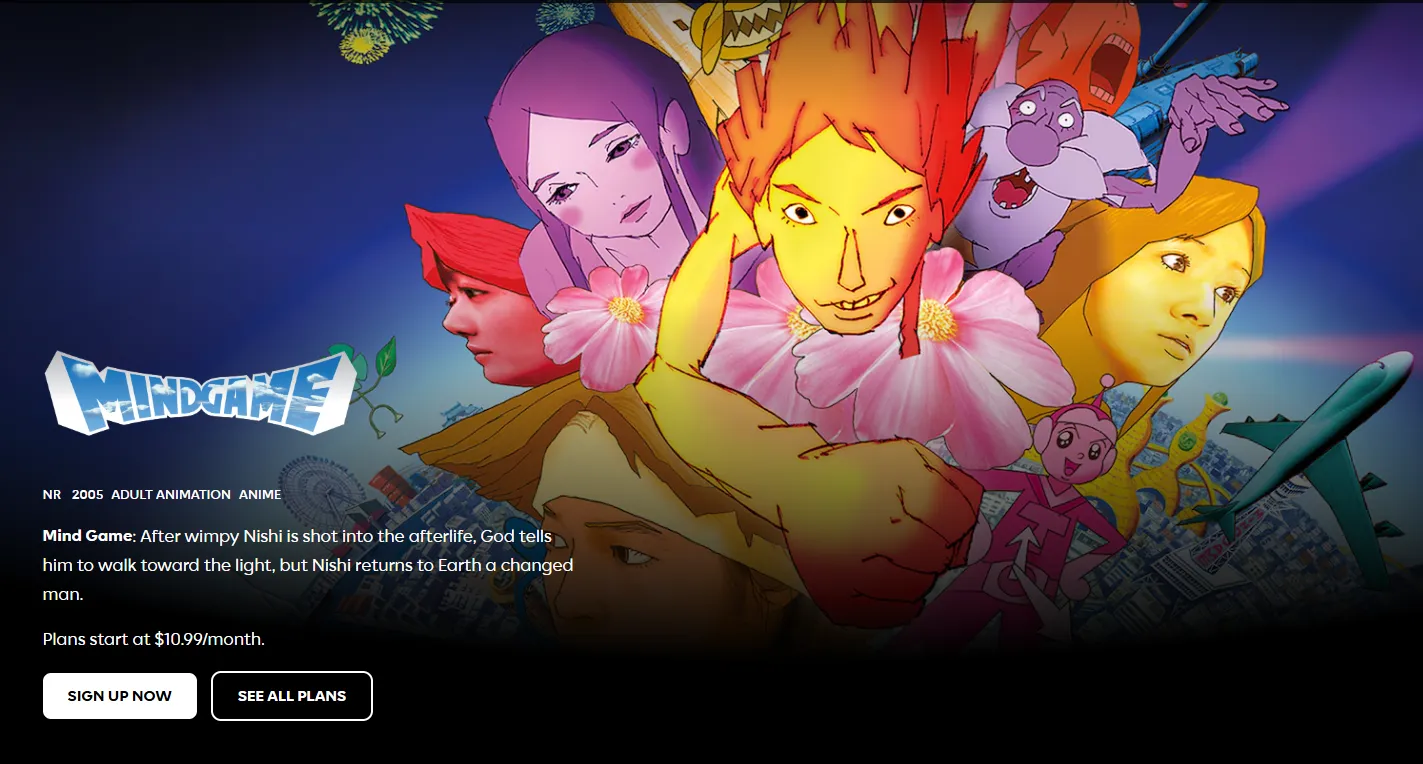
Emotional Impact: Despite its chaotic structure and overwhelming visual energy, Mind Game ultimately becomes a deeply human story about regret, second chances, and the instinct to keep moving forward even when reality itself breaks apart. It shifts constantly between comedy, tragedy, and emotional catharsis, making it one of Yuasa’s most emotionally volatile works.
Why It Ranks Here: Mind Game stands at the top of Yuasa’s filmography because it represents his creative philosophy in its purest form. It is unrestrained, unpredictable, and completely unconcerned with conventional storytelling rules. Rather than refining his style for accessibility, Yuasa embraces total artistic freedom here, resulting in a film that feels both chaotic and profoundly intentional at the same time. It is not just his most experimental work—it is the foundation of everything that came after.
🥈 #2 Inu-Oh (2021)
Where to Stream: HBO Max & Netflix
Style: Inu-Oh is a genre-defying historical rock opera that blends traditional Japanese theater aesthetics with modern concert visuals. Yuasa uses bold, stylized character designs and rhythmic, performance-driven animation to create a film that feels closer to a live stage experience than a conventional animated feature. Unlike the chaotic fragmentation of Mind Game, this film is more structured, but still visually explosive, using music as its primary narrative engine.
Story: Set in the Muromachi period of Japan, the story follows the unlikely friendship between Inu-Oh, a mysterious performer with a hidden past, and Tomona, a blind musician. Together, they rise to fame through rebellious stage performances that challenge both political authority and historical narrative. As their popularity grows, their art begins to blur the line between history, myth, and personal identity.
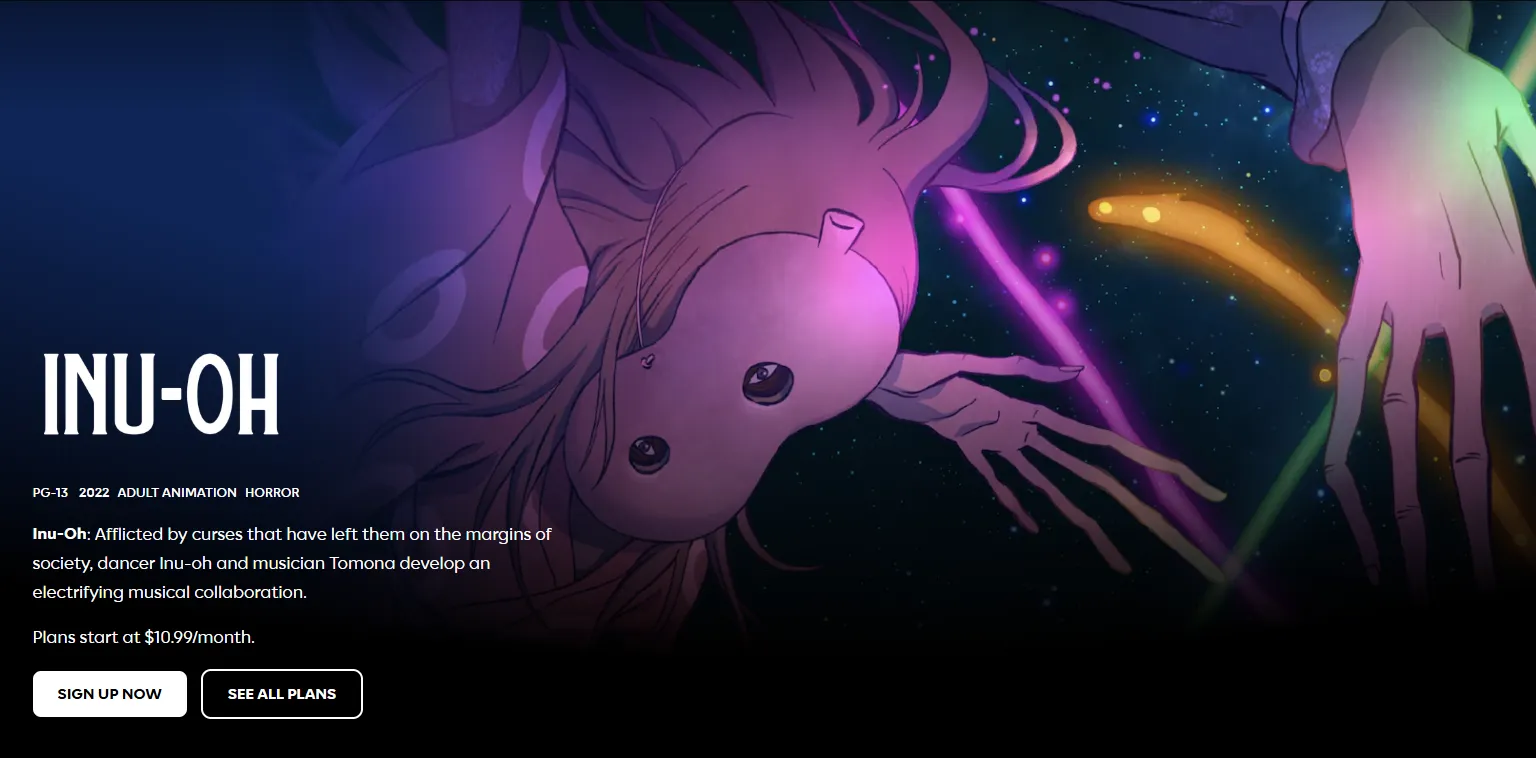
Emotional Impact: Inu-Oh is one of Yuasa’s most emotionally sweeping films. Beneath its energetic musical performances lies a story about marginalization, artistic freedom, and the power of reclaiming one’s identity through performance. The emotional core builds gradually, culminating in a deeply tragic yet cathartic reflection on fame, friendship, and the cost of being seen.
Why It Ranks Here: This film ranks so highly because it represents Yuasa’s most mature balance between experimentation and narrative clarity. While Mind Game prioritizes raw chaos, Inu-Oh channels that same energy into a more structured and emotionally accessible form. It expands Yuasa’s visual language into musical storytelling without losing his signature surreal edge. It is also his most internationally acclaimed feature, further cementing its position near the top of his filmography.
🥉 #3 The Night Is Short, Walk on Girl (2017)
Where to Stream: HBO Max & Netflix & Crunchyroll
Style: The Night Is Short, Walk on Girl is a vibrant, surreal romantic comedy that transforms a single night in Kyoto into a continuously escalating cascade of absurd encounters. Yuasa’s animation here is loose, elastic, and highly expressive, with exaggerated motion and playful visual metaphors that mirror the unpredictability of nightlife itself. Compared to his more chaotic experimental works like Mind Game, this film feels more controlled in structure but equally inventive in execution, leaning heavily into comedic timing and visual rhythm.
Story: The film follows a university student who attempts to “casually” spend a night following a girl he admires, only to find himself swept into a chain of bizarre events involving eccentric strangers, drinking contests, theatrical performances, and surreal coincidences across Kyoto’s nightlife. Meanwhile, the girl herself moves through the same night with her own unshakable confidence, encountering equally strange but oddly interconnected experiences.
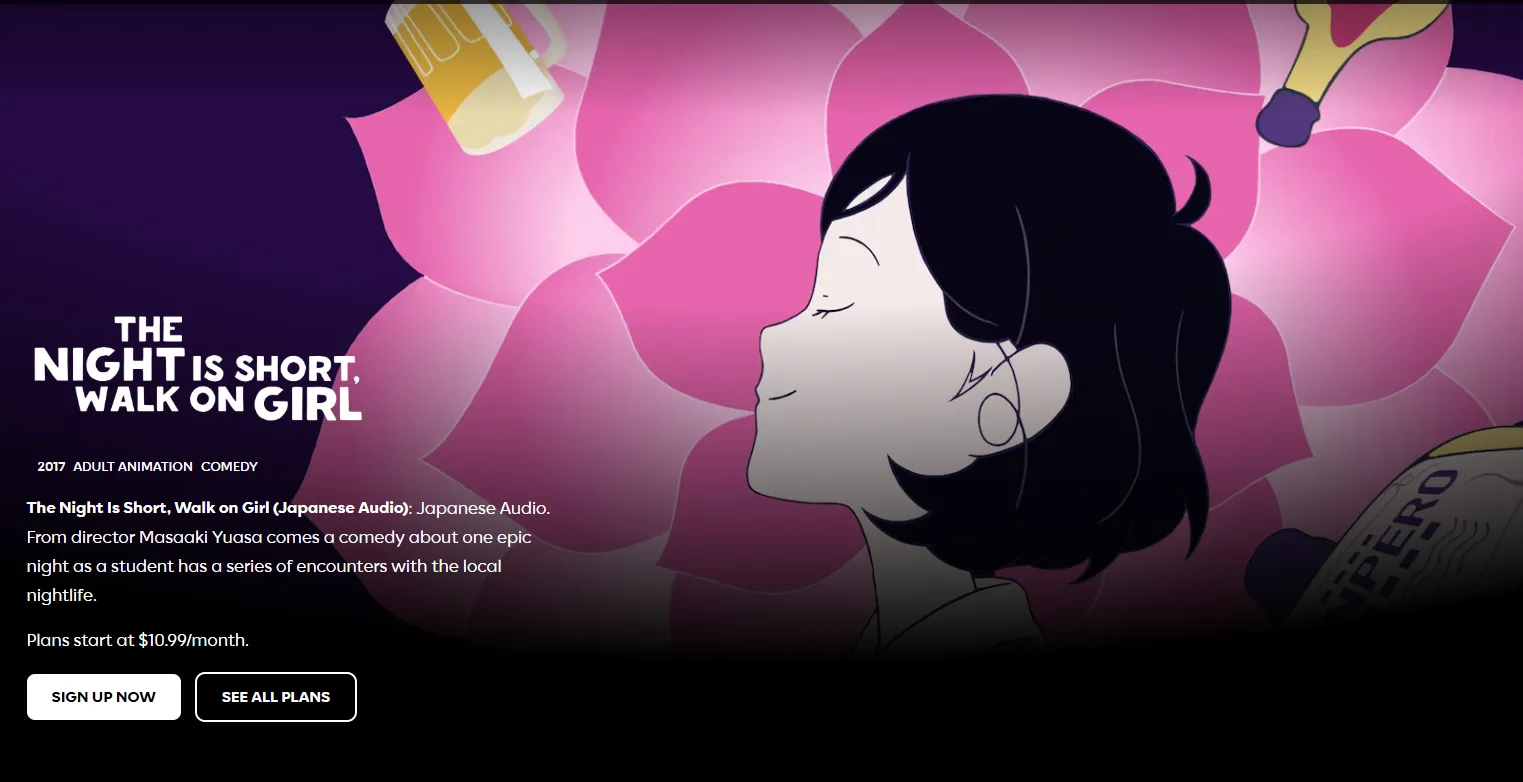
Emotional Impact: Beneath its comedic and surreal surface, the film captures a very specific emotional feeling: youthful infatuation mixed with the overwhelming unpredictability of adulthood and social life. It is lighthearted, fast-paced, and joyful, but also subtly reflective, especially in how it portrays missed timing, unspoken feelings, and the randomness of human connection.
Why It Ranks Here: This film ranks here because it represents Yuasa’s most accessible and structurally balanced feature film. While it lacks the raw experimental extremity of Mind Game or the emotional grandeur of Inu-Oh, it excels in clarity, pacing, and audience approachability. It is often considered the best entry point into Yuasa’s filmography, making it a crucial middle pillar in his body of work.
#4 Lu Over the Wall (2017)
Where to Stream: HBO Max & Netflix & Crunchyroll
Style: Lu Over the Wall is a whimsical fantasy film that blends coming-of-age storytelling with musical elements and marine mythology. Visually, it leans into bright colors, elastic character animation, and a slightly more “family-friendly” tone compared to Yuasa’s earlier experimental works. While still unmistakably Yuasa in its fluid motion and expressive character acting, this film feels more grounded in narrative structure and emotional clarity, especially in its depiction of a small coastal town and its everyday rhythms.
Story: The story follows Kai, a reserved middle school student who lives in a quiet fishing village. His life takes an unexpected turn when he meets Lu, a cheerful and mysterious mermaid who is drawn to music and quickly becomes the center of attention in the town. As Lu’s presence begins to disrupt the balance between humans and the sea, Kai is forced to confront fear, acceptance, and the consequences of connecting with something beyond his ordinary world.
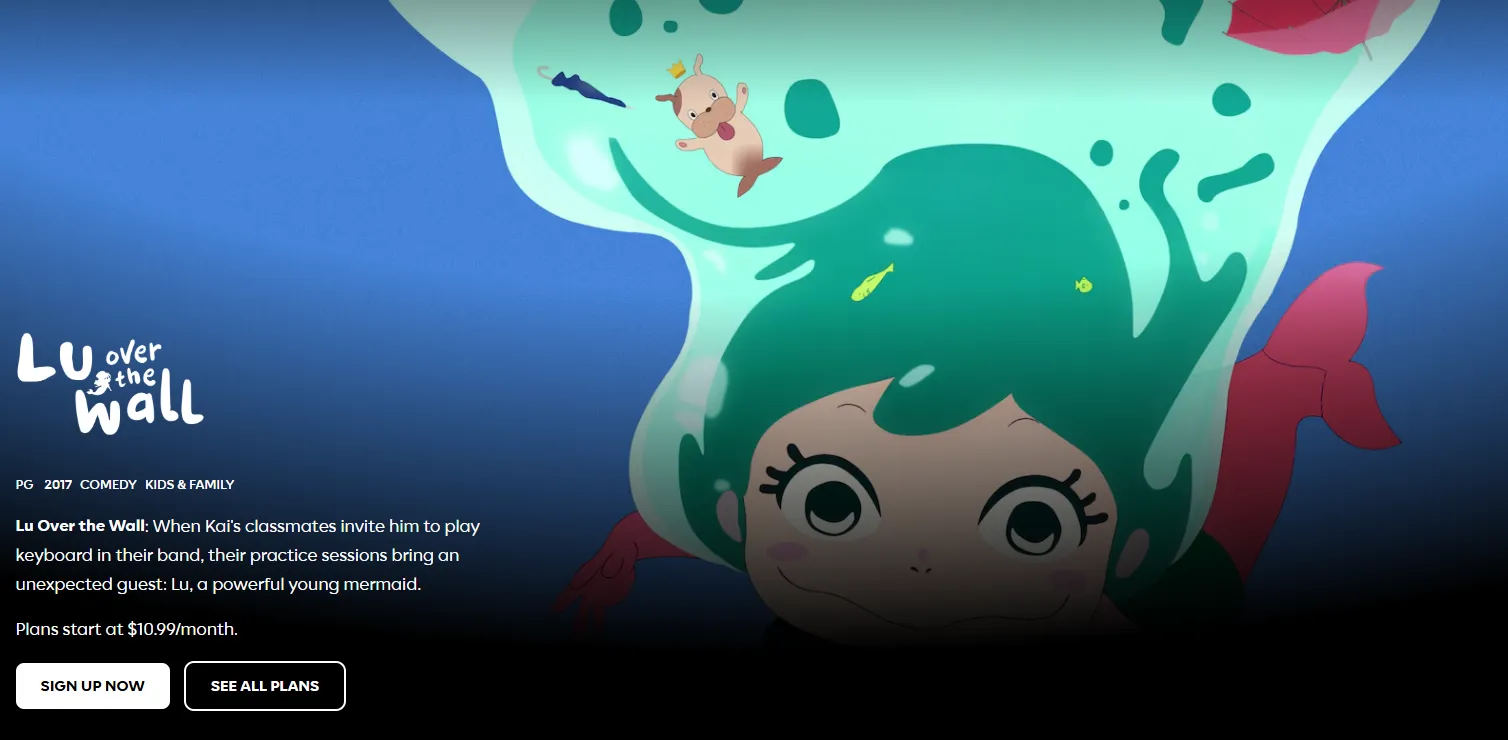
Emotional Impact: At its core, Lu Over the Wall is a story about communication, isolation, and the fear of the unknown. It captures the awkward emotional transition between childhood and adolescence, especially in how people respond to difference and unpredictability. Compared to Yuasa’s more intense or chaotic films, this one carries a gentler emotional tone, but still delivers moments of sincerity and quiet emotional resonance.
Why It Ranks Here: This film ranks here because it represents Yuasa’s attempt to balance accessibility with his signature visual experimentation. While it does not reach the narrative or emotional peaks of Inu-Oh or the conceptual intensity of Mind Game, it succeeds as a warm, visually creative coming-of-age story that remains more grounded and approachable for general audiences. It also showcases Yuasa’s versatility, proving he can work within a more traditional storytelling framework without completely abandoning his stylistic identity.
#5 Ride Your Wave (2019)
Where to Stream: HBO Max & Netflix & Crunchyroll
Style: Ride Your Wave is Masaaki Yuasa’s most grounded and conventionally structured feature film. While it still retains his signature fluid animation and expressive character movement, the visual style is noticeably more restrained compared to his earlier experimental works, focusing instead on clarity, emotional realism, and smooth narrative flow. The film leans heavily into romantic drama aesthetics, with occasional surreal flourishes that emerge primarily during emotionally heightened moments rather than throughout the entire narrative.
Story: The story follows Hinako, a carefree young surfer who lives fully in the present, and Minato, a firefighter who is more cautious and disciplined. After a chance encounter, the two fall in love and begin building a life together. However, a sudden tragedy disrupts their relationship, forcing Hinako to confront loss in a way that blurs the boundaries between memory, love, and presence.
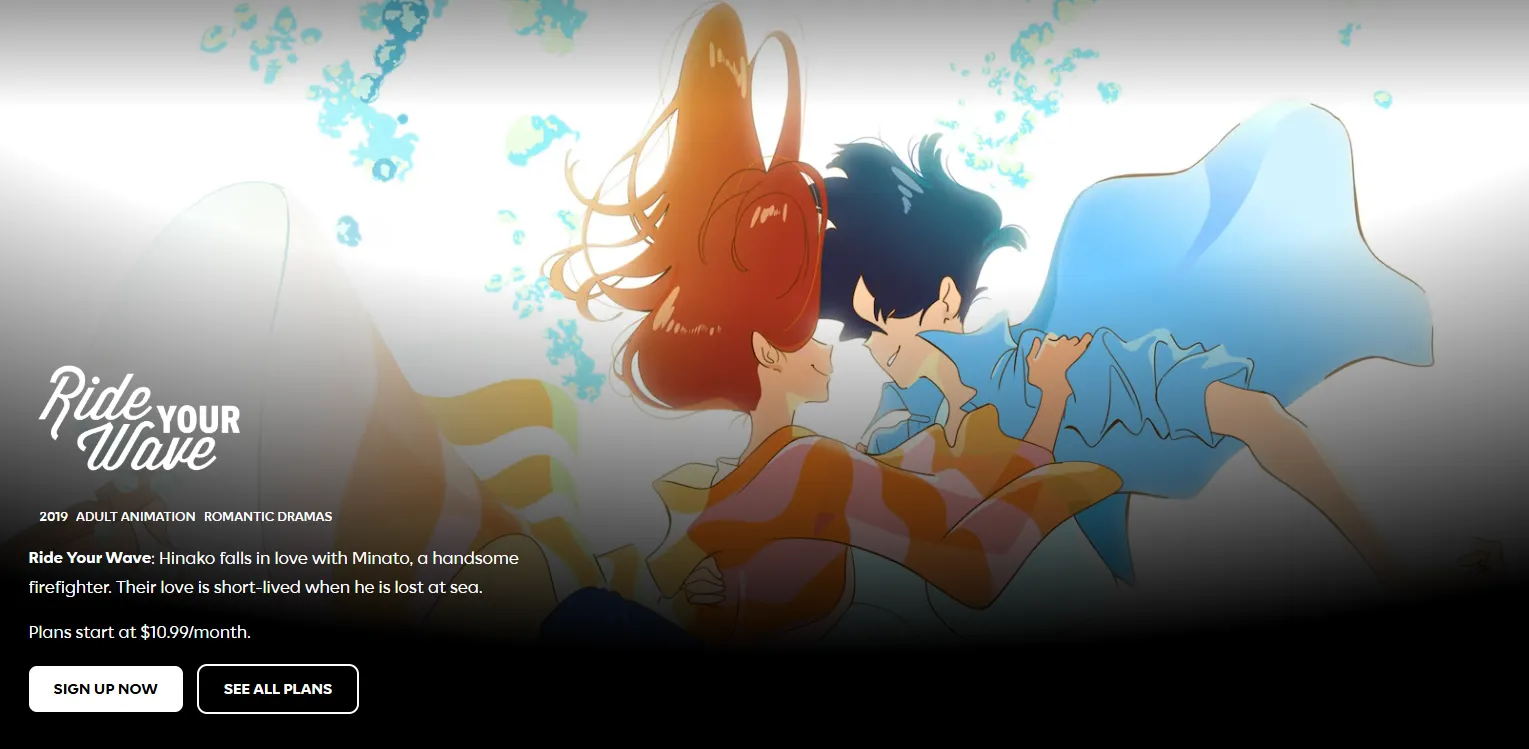
Emotional Impact: Ride Your Wave is arguably Yuasa’s most emotionally direct and accessible film. It explores grief, attachment, and healing in a straightforward yet heartfelt way, making it one of his most widely approachable works. Unlike his more abstract films, the emotional response here is immediate and clearly framed, focusing on love and loss in a way that resonates with a broad audience. While less experimental, it is deeply sincere and emotionally effective.
Why It Ranks Here: This film ranks last not because it is weak, but because it is the most conventional entry in Yuasa’s feature filmography. Compared to the conceptual ambition of Mind Game or the musical grandeur of Inu-Oh, Ride Your Wave prioritizes emotional clarity and narrative accessibility over experimentation. This makes it a powerful standalone romance film, but less representative of Yuasa’s boundary-pushing artistic identity. It serves as an important reminder that Yuasa is not only an experimental filmmaker, but also capable of crafting emotionally grounded, audience-friendly stories.
The “Hidden Tracks”: Special Cuts & Short Films
While Masaaki Yuasa’s core theatrical features form the backbone of his cinematic legacy, no comprehensive retrospective is complete without exploring his more unconventional side works. These projects are not traditional feature-length films, but they often contain some of the most concentrated expressions of his visual style and creative instincts. Taken together, they offer a clearer view of his artistic evolution beyond mainstream releases, revealing the experimental foundation that continues to define his work as an auteur.
Japan Sinks: 2020 — Theatrical Edition (2020)
Where to watch: Netflix
This theatrical version is a re-edited cut of Masaaki Yuasa’s Netflix series Japan Sinks: 2020, restructured for cinema presentation with adjusted pacing and sound design. While it was released in theaters in Japan, it does not function as a standalone feature film with original narrative intent.Instead, it serves as an alternate viewing format of the same story, offering a slightly different emotional rhythm compared to the episodic version.
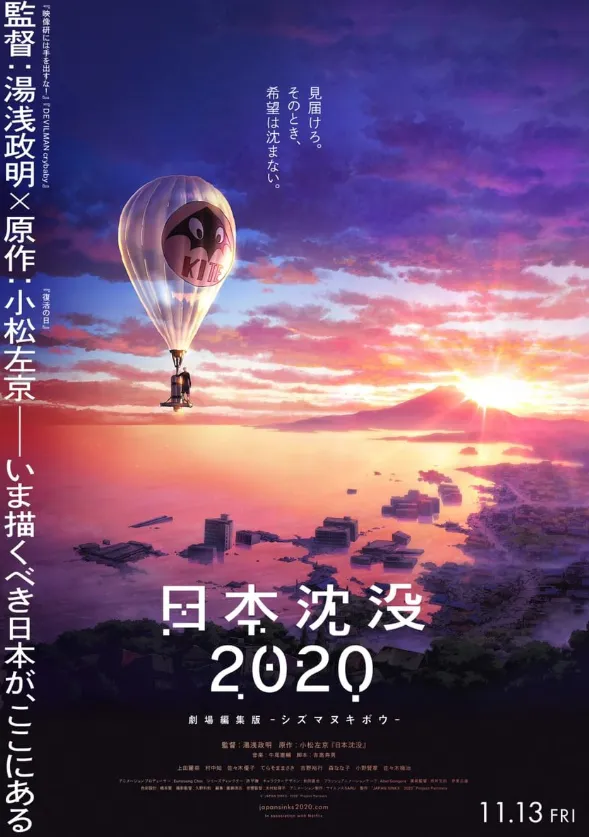
👉 It highlights Yuasa’s ability to translate serialized disaster storytelling into a condensed cinematic experience, even within the constraints of an existing TV production.
Kick-Heart (2013)
Where to watch: Youtube
A Kickstarter-funded short film that blends surreal romance with professional wrestling aesthetics. Despite its short runtime, Kick-Heart captures many of Yuasa’s defining traits: exaggerated physical expression, emotional absurdity, and playful visual experimentation. The story follows a masked wrestler who secretly lives a double life driven by unconventional romantic desires, turning the wrestling ring into both a literal and emotional performance space.
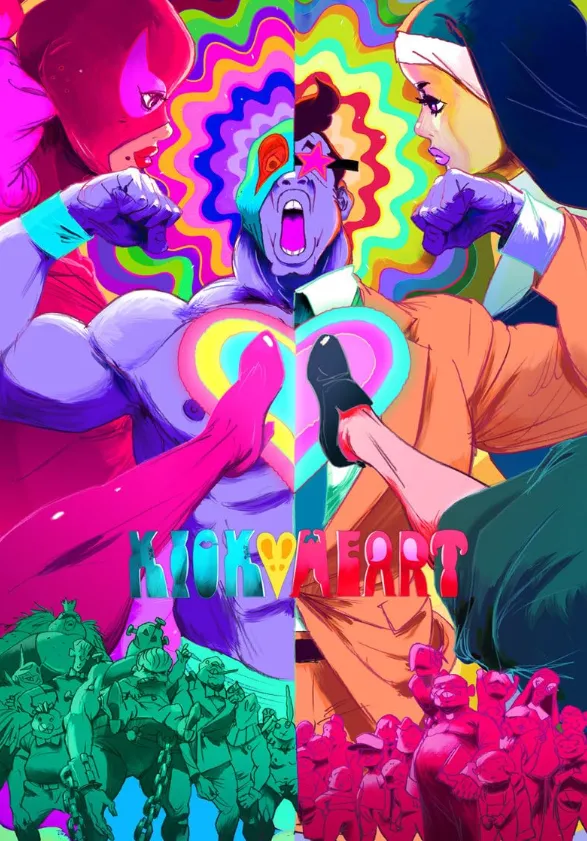
👉 It is one of Yuasa’s most concentrated bursts of pure stylistic freedom.
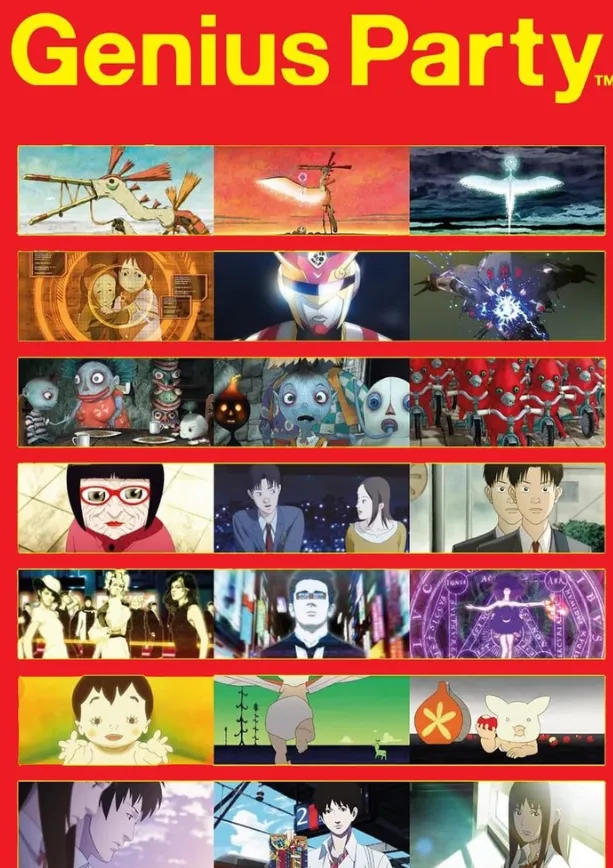
Genius Party: Happy Machine (2007)
Where to watch: Prime Video
Part of the Studio 4°C anthology project Genius Party, this segment showcases Yuasa’s early exploration of nonlinear storytelling and fluid, dreamlike animation logic. The short follows a child’s surreal journey through a world where everyday objects and environments transform unpredictably, reflecting Yuasa’s fascination with perception, childhood imagination, and emotional abstraction.
👉 It represents an important transitional stage in his evolution toward more complex feature films.
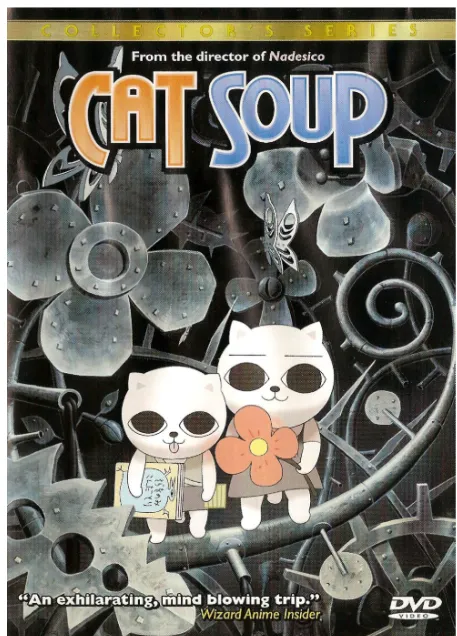
Cat Soup (2001)
Where to watch: Amazon (DVD)
Although not directed by Yuasa, he contributed significantly to its visual development and animation direction. Cat Soup is widely regarded as a cult experimental short, known for its dark surrealism and symbolic narrative structure. Its influence is often discussed in relation to Yuasa’s later directorial work, particularly in terms of visual fluidity and emotional disorientation.
👉 While unofficial in authorship, it remains an important reference point for understanding his early stylistic environment.
Which Yuasa Film Should You Start With?
Navigating Masaaki Yuasa’s filmography can feel overwhelming at first. Because he approaches animation as a flexible, expressive medium rather than a fixed set of visual rules, starting with his most experimental works can easily lead to sensory overload. A better approach is to choose a film based on your viewing preferences rather than release order.
For the Mainstream Viewer: Ride Your Wave
If you prefer emotional, character-driven stories with a clear narrative structure, this is the most accessible entry point. While it still features Yuasa’s signature fluid animation—especially in its depiction of water—it remains grounded in a straightforward romance and grief narrative.
For Lighthearted & Whimsical Stories: The Night Is Short, Walk on Girl
If you enjoy fast-paced comedy, eccentric characters, and surreal but easy-to-follow storytelling, this is the ideal gateway film. It captures Yuasa’s playful visual style without overwhelming narrative complexity.
For Musical & Historical Storytelling Fans: Inu-Oh
If you’re drawn to music-driven storytelling or historical reinterpretations, Inu-Oh offers the most dynamic experience. It blends theatrical performance, rock opera energy, and historical fiction into a visually striking narrative.
For Experimental Animation Fans: Mind Game
If you want to experience Yuasa at his most radical, start here. It abandons conventional storytelling entirely in favor of pure visual and emotional experimentation, making it one of the most daring animated films ever made.
For Fantasy & Gentle Family-Friendly Viewing: Lu Over the Wall
If you prefer a more whimsical, colorful, and emotionally gentle experience, Lu Over the Wall is the most lighthearted entry in Yuasa’s filmography. It blends coming-of-age storytelling with fantasy elements and musical expression in a way that feels more grounded than his experimental works.
Frequently Asked Questions (FAQ)
1. What is Masaaki Yuasa’s best movie?
Masaaki Yuasa’s best movie is often considered to be Mind Game (2004), due to its groundbreaking animation style, experimental storytelling, and complete disregard for conventional narrative structure. However, more accessible films like Inu-Oh and Ride Your Wave are also widely praised depending on viewer preference.
2. Are Masaaki Yuasa movies connected?
No. Most of Masaaki Yuasa’s films are standalone stories with completely different characters, settings, and themes. Each film explores a unique concept, style, and emotional tone, meaning they can be watched in any order.
3. Why are Masaaki Yuasa’s movies so different in style?
Yuasa intentionally uses animation as a flexible artistic medium rather than a fixed visual system. His films often experiment with movement, color, and narrative structure, which is why each movie can feel drastically different in tone and presentation.
4. Why are highly acclaimed series like The Tatami Galaxy, Ping Pong the Animation, or Devilman Crybaby missing from this list?
This guide is strictly dedicated to his theatrical feature films and cinematic shorts. While those titles are undoubtedly masterpieces and essential parts of Yuasa’s legacy, they were produced as multi-episode television series or ONA (Original Net Animation) streaming releases rather than standalone movies.
5. Where can I watch Masaaki Yuasa movies?
In terms of streaming availability, Masaaki Yuasa’s films are distributed across different platforms depending on region. In the United States, most of his feature films are currently available on Max (HBO Max), which offers the most complete and convenient collection of his theatrical works. In other regions, availability may vary. Some titles appear on platforms such as Netflix or Crunchyroll, while others are only accessible through digital rental services like Apple TV or Amazon Prime Video, depending on local licensing agreements. Because streaming rights frequently change, the exact lineup can differ over time and between countries. For the most consistent access, digital purchase or physical Blu-ray releases remain the most reliable long-term options.
Conclusion
Masaaki Yuasa remains one of the most original and unpredictable voices in modern animation. Across a relatively small but highly influential filmography, he has consistently challenged what animated cinema can be—blending surreal visuals, emotional intensity, and radically different storytelling approaches in each of his works.
From the chaotic brilliance of Mind Game to the musical grandeur of Inu-Oh, and the emotional accessibility of Ride Your Wave, his films demonstrate an extraordinary range that resists easy categorization. Rather than following a single style, Yuasa treats each project as a new experiment in movement, emotion, and narrative structure.
In 2026, with renewed attention on his work and the release of Daisy’s Life on the horizon, his filmography feels more relevant than ever. Whether you are approaching his films for the first time or revisiting them in a new context, they continue to offer some of the most unique experiences in contemporary animation.
Ultimately, there is no “correct” way to watch Masaaki Yuasa’s movies—only different entry points into a body of work that thrives on freedom, imagination, and emotional honesty.