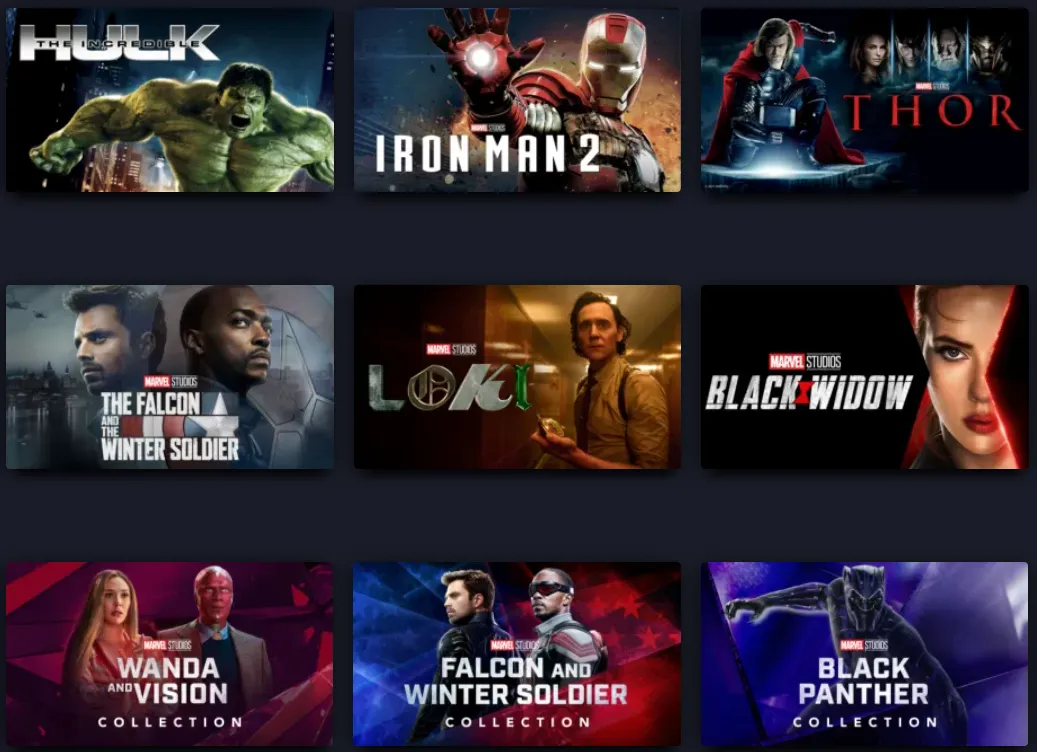
Since Iron Man launched the Marvel Cinematic Universe (MCU) in 2008, this sprawling interconnected world has grown into one of cinema’s most ambitious narrative achievements. By 2026, we have moved past the legendary Infinity Saga and are now deep into the high-stakes Multiverse Saga. With Disney+ series, "Special Presentations," animated canon, and legacy characters from Fox and Sony, knowing how to watch Marvel in order has never been more complex. Whether you’re a first-timer or a veteran prepping for Phase 6 blockbusters like Spider-Man: Brand New Day and Avengers: Doomsday, this guide is your ultimate roadmap.
1. Release Order vs. Chronological Order: Which is Best?
Choosing your watch order shapes your MCU experience. By 2026, the timeline is nonlinear, so your perspective matters.
Option A: Release Order (The “Classic” Experience)
Watching films and shows as they originally hit theaters or Disney+.
Best For: Purists and newcomers who want the original hype, post-credit surprises, and the evolution of the MCU as fans experienced it.
Pros: Preserves intended suspense of post-credit scenes.
Cons: Phase 4–6 can feel disjointed due to timeline jumps.
Option B: Chronological Order (The “Story-First” Experience)
Watching according to the in-universe timeline.
Best For: New viewers or those wanting a seamless narrative flow, clearer character arcs, and understanding of Multiverse logic.
Pros: Events unfold linearly (from WWII to the Multiverse).
Cons: Some post-credit scenes may spoil “future” events.
Recommendation for 2026: Chronological Order makes the transition from Infinity Saga to Multiverse Saga easier to follow.
2. MCU Chronological Timeline with Release Years
This table presents the MCU in chronological order of events while also showing each title’s original release year. Must-watch entries essential for following the 2026 finale are highlighted.
| Timeline Era | Release Year | Title | Type | Phase | Relevance |
| 1943–1945 | 2011 | Captain America: The First Avenger | Movie | Phase 1 | ✅ Core |
| 1995 | 2019 | Captain Marvel | Movie | Phase 3 | ◯ Expansion |
| 2010 | 2008 | Iron Man | Movie | Phase 1 | ✅ Core |
| 2010–2011 | 2010 | Iron Man 2 | Movie | Phase 1 | ◯ Expansion |
| 2011 | 2008 | The Incredible Hulk | Movie | Phase 1 | ◯ Expansion |
| 2011 | 2011 | Thor | Movie | Phase 1 | ◯ Expansion |
| 2012 | 2012 | The Avengers | Movie | Phase 1 | ✅ Core |
| 2012 | 2013 | Iron Man 3 | Movie | Phase 2 | ◯ Expansion |
| 2013 | 2013 | Thor: The Dark World | Movie | Phase 2 | ◯ Expansion |
| 2014 | 2014 | Captain America: The Winter Soldier | Movie | Phase 2 | ✅ Core |
| 2014 | 2014 | Guardians of the Galaxy | Movie | Phase 2 | ◯ Expansion |
| 2014 | 2017 | Guardians of the Galaxy Vol. 2 | Movie | Phase 3 | ◯ Expansion |
| 2015 | 2015 | Avengers: Age of Ultron | Movie | Phase 2 | ✅ Core |
| 2015 | 2015 | Ant-Man | Movie | Phase 2 | ◯ Expansion |
| 2016 | 2016 | Captain America: Civil War | Movie | Phase 3 | ✅ Core |
| 2016 | 2016 | Doctor Strange | Movie | Phase 3 | ✅ Core |
| 2016 | 2018 | Black Panther | Movie | Phase 3 | ◯ Expansion |
| 2016 | 2021 | Black Widow | Movie | Phase 4 | ◯ Expansion |
| 2016–2017 | 2017 | Spider-Man: Homecoming | Movie | Phase 3 | ◯ Expansion |
| 2017 | 2017 | Thor: Ragnarok | Movie | Phase 3 | ◯ Expansion |
| 2018 | 2018 | Avengers: Infinity War | Movie | Phase 3 | ✅ Core |
| 2018 | 2018 | Ant-Man and the Wasp | Movie | Phase 3 | ◯ Expansion |
| 2018–2023 | 2019 | Avengers: Endgame | Movie | Phase 3 | ✅ Core |
| 2018–2023 | 2019 | Spider-Man: Far From Home | Movie | Phase 3 | ◯ Expansion |
| 2023 | 2021 | Loki Season 1 | Series | Phase 4 | 🔥 Multiverse |
| 2023 | 2021 | WandaVision | Series | Phase 4 | 🔥 Multiverse |
| 2023 | 2021 | The Falcon and the Winter Soldier | Series | Phase 4 | ◯ Expansion |
| 2024 | 2021 | Shang-Chi and the Legend of the Ten Rings | Movie | Phase 4 | ◯ Expansion |
| 2024 | 2021 | Eternals | Movie | Phase 4 | ◯ Expansion |
| 2024 | 2021 | Spider-Man: No Way Home | Movie | Phase 4 | 🔥 Multiverse |
| 2024 | 2022 | Doctor Strange in the Multiverse of Madness | Movie | Phase 4 | 🔥 Multiverse |
| 2024 | 2021 | Hawkeye | Series | Phase 4 | ◯ Expansion |
| 2025 | 2022 | Moon Knight | Series | Phase 4 | ◯ Expansion |
| 2025 | 2022 | Ms. Marvel | Series | Phase 4 | ◯ Expansion |
| 2025 | 2022 | Thor: Love and Thunder | Movie | Phase 4 | ◯ Expansion |
| 2025 | 2022 | Black Panther: Wakanda Forever | Movie | Phase 4 | ◯ Expansion |
| 2025 | 2023 | Loki Season 2 | Series | Phase 5 | 🔥 Multiverse |
| 2025 | 2023 | Ant-Man and the Wasp: Quantumania | Movie | Phase 5 | 🔥 Multiverse |
| 2025 | 2023 | Guardians of the Galaxy Vol. 3 | Movie | Phase 5 | ◯ Expansion |
| 2025 | 2023 | The Marvels | Movie | Phase 5 | ◯ Expansion |
| 2025 | 2024 | Deadpool & Wolverine | Movie | Phase 5 | 🔥 Multiverse |
| 2025–2026 | 2021–2024 | What If…? | Animation | Phase 4–5 | ◯ Expansion |
| 2026 | 2025 | Captain America: Brave New World | Movie | Phase 5 | ◯ Expansion |
| 2026 | 2025 | Thunderbolts | Movie | Phase 5 | ◯ Expansion |
| 2025 | 2025 | Fantastic Four: Rise of the Four | Movie | Phase 6 | ◯ Expansion |
| 2026 | 2026 | Spider-Man: Brand New Day | Movie | Phase 6 | ◯ Expansion |
| 2026 | 2026 | Avengers: Doomsday | Movie | Phase 6 | 🔥 Multiverse |
| 2026 | 2027 | Avengers: Secret Wars | Movie | Phase 6 | 🔥 Multiverse |
Legend: 🔥 = Multiverse Anchor | ✅ = Core Infinity Saga | ◯ = Character/World Expansion
3. Phase-by-Phase Breakdown of the MCU Storyline (Phases 1–6)
As of 2026, the MCU has evolved from simple origin stories into a sprawling narrative across movies, series, and animation. Here’s a Phase 1–6 breakdown, highlighting main storylines, key characters, and themes:
Phase 1: Hero Origins (2008–2012)
Key Themes: Hero formation, team assembly
Key Titles:
-
Iron Man (2008): Tony Stark becomes Iron Man, starting the MCU.
-
The Incredible Hulk (2008): Bruce Banner struggles with heroism and control.
-
Iron Man 2 (2010): Tony faces government pressure and rising threats.
-
Thor (2011): Introduces Asgard and cosmic elements.
-
Captain America: The First Avenger (2011): Steve Rogers becomes a super soldier in WWII.
-
The Avengers (2012): First team-up against Loki, forming the core Avengers.
Phase 1 establishes the origin of the main heroes and sets the foundation for team dynamics and the larger MCU universe.
Phase 2: Hero Growth & Cosmic Expansion (2013–2015)
Key Themes: Personal growth, team conflict, cosmic expansion
Key Titles:
-
Iron Man 3 (2013): Tony confronts PTSD and personal challenges.
-
Thor: The Dark World (2013): Thor battles dark forces and expands Infinity Stones lore.
-
Captain America: The Winter Soldier (2014): Internal team conflict and moral dilemmas arise.
-
Guardians of the Galaxy (2014): A new cosmic team emerges, expanding the MCU universe.
-
Avengers: Age of Ultron (2015): Team faces internal conflicts and AI threats.
-
Ant-Man (2015): Scott Lang becomes a hero and introduces the Quantum Realm.
Phase 2 deepens character arcs, explores teamwork, and expands the universe into the cosmic realm, setting up Infinity Saga stakes.
Phase 3: Avengers Assemble & Infinity Saga (2016–2019)
Key Themes: Team conflict, universe-level crises
Key Titles:
-
Captain America: Civil War (2016): Avengers split over ideology; new heroes emerge.
-
Doctor Strange (2016): Magic and multiverse concepts are introduced.
-
Guardians of the Galaxy Vol. 2 (2017): Team dynamics and family themes deepen.
-
Spider-Man: Homecoming / Far From Home (2017–2019): Peter Parker grows as a young hero.
-
Thor: Ragnarok (2017): Thor faces Asgard’s fall, setting up Infinity War.
-
Black Panther (2018): Wakanda’s culture and politics enrich global MCU events.
-
Ant-Man and the Wasp (2018): Quantum Realm plot threads continue.
-
Avengers: Infinity War (2018): Infinity Stones conflict peaks; Thanos threatens all.
-
Avengers: Endgame (2019): Infinity Saga finale; heroes make ultimate sacrifices.
Phase 3 completes the Infinity Saga, resolving team conflicts and cosmic crises while laying the foundation for the multiverse.
Phase 4: Multiverse & New Heroes (2021–2022)
Key Themes: New heroes, multiverse emergence
Key Titles:
-
Black Widow (2021): Natasha’s past and redemption explored.
-
Shang-Chi and the Legend of the Ten Rings (2021): Introduces a new hero and cultural perspective.
-
Eternals (2021): Expands MCU history with ancient cosmic beings.
-
Spider-Man: No Way Home (2021): Multiverse collisions begin.
-
Loki Season 1 (2021): Time Variance Authority and multiverse setup.
-
WandaVision (2021): Emotions impact reality in a new way.
-
The Falcon and the Winter Soldier (2021): Legacy and responsibility explored.
-
Hawkeye (2021): Personal hero journey with team connections.
-
Doctor Strange in the Multiverse of Madness (2022): Multiverse chaos escalates.
-
Thor: Love and Thunder (2022): Thor explores self-growth and teamwork.
-
Black Panther: Wakanda Forever (2022): Leadership and national legacy themes.
-
Moon Knight / Ms. Marvel (2022): New heroes confront identity and responsibility.
Phase 4 introduces new heroes and the multiverse, continuing legacies of previous characters while laying groundwork for Phase 5 conflicts.
Phase 5: Multiverse Conflicts & Hero Evolution (2023–2025)
Key Themes: Quantum events, multiversal stakes
Key Titles:
-
Loki Season 2 (2023): TVA governance and multiverse tensions deepen.
-
Ant-Man and the Wasp: Quantumania (2023): Quantum threats emerge.
-
Guardians of the Galaxy Vol. 3 (2023): Cosmic team arcs conclude.
-
The Marvels (2023): New heroes team up to face cosmic threats.
-
Deadpool & Wolverine (2024): Humor and multiverse crossover introduced.
-
Captain America: Brave New World (2025): Sam Wilson inherits Captain America mantle.
-
Thunderbolts (2025): Grey-area heroes assemble.
-
What If…? (2021–2024): Animated multiverse stories expand the narrative.
Phase 5 accelerates multiverse events and gathers new and legacy heroes, setting up Phase 6’s ultimate showdown.
Phase 6: Ultimate Convergence & Universe Rebuilding (2025–2027)
Key Themes: Cosmic crisis, ultimate team-up
Key Titles:
-
Fantastic Four: Rise of the Four (2025): New team debuts; cosmic stakes rise.
-
Spider-Man: A New Era (2026): Next-gen Spider-Man embraces heroism.
-
Avengers: Day of Doom (2026): Cross-universe threats escalate; heroes unite.
-
Avengers: Secret Wars (2027): Multiverse conflict peaks; final showdown reshapes reality.
Phase 6 concludes the multiverse saga, combining old and new heroes to face ultimate threats, and reshapes the MCU for future storytelling.
4. MCU Heroes & Importance Ranking (Phase 1–6)
The MCU’s story is driven by its heroes, each with distinct arcs, powers, and roles across movies, series, and animation. By Phase 6, some classic heroes remain central, while new characters take the spotlight. Here’s a ranking of key heroes by narrative importance and their relevance to 2026’s storylines:
| Rank | Hero |
Phase(s) Key Involvement | Importance | Role in Phase 6 / Multiverse |
| 1 | Doctor Strange | 3–6 | 🔥 Core | Primary guardian of reality; central to multiversal conflicts and TVA events. |
| 2 | Loki | 1–6 | 🔥 Core | The “God of Stories”; manipulates time and the multiverse; pivotal in Phase 5–6 events. |
| 3 | Spider-Man (Peter Parker) | 3–6 | 🔥 High | Emotional heart of the new generation; key player in multiversal storylines. |
| 4 | Captain America (Sam Wilson) | 4–6 | ✅ Core | Leader of Earth’s defenders; carries the legacy of the original Captain America. |
| 5 | Fantastic Four (Reed Richards & Team) | 6 | 🔥 Core | Introduces multiversal tech; essential in multiversal collapse and Secret Wars. |
| 6 | Iron Man (Tony Stark) | 1–3 | ✅ Core | Foundational hero; technological influence shapes major MCU events. |
| 7 | Thor | 1–6 | ✅ Core | Cosmic hero bridging Asgard and multiversal threats; emotional and narrative anchor. |
| 8 | Kang the Conqueror | 5–6 | 🔥 Core Villain | Major multiversal antagonist driving Phase 6 conflicts. |
| 9 | Scarlet Witch (Wanda Maximoff) | 2–4 | ◯ Expansion | Reality-altering powers; early catalyst for multiverse chaos. |
| 10 | Deadpool | 5 | 🔥 High | Multiverse variable; key player in unpredictable events and storyline twists. |
Legend: 🔥 = Multiverse Anchor | ✅ = Core Infinity Saga | ◯ = Character/World Expansion
As the MCU enters Phase 6, it strikes a balance between legacy and reinvention. The spirit and influence of the original heroes still shape the universe, while characters like Spider-Man, Doctor Strange, Loki, and Deadpool emerge as the true driving forces of the Multiverse era, paving the way for the final, universe-shattering conflict.
5. MCU Fast-Track Watchlist: Essential Titles to Catch Up
For viewers who don't have time to watch all 40+ movies and 15+ series, this fast-track list covers the must-see content to understand Phase 6 and the 2026 Multiverse events:
| Title | Year | Type | Why Watch |
| Iron Man | 2008 | Movie | MCU origins; sets Tony Stark’s arc |
| The Avengers | 2012 | Movie | First team-up; core relationships established |
| Captain America: Civil War | 2016 | Movie | Ideological split; Spider-Man & Winter Soldier introduced |
| Doctor Strange | 2016 | Movie | Magic and multiverse introduced |
| Avengers: Infinity War | 2018 | Movie | Infinity Stones conflict peaks; universe-level stakes |
| Avengers: Endgame | 2019 | Movie | Infinity Saga finale; time-heist resolves core arcs |
| Loki Season 1 & 2 | 2021–2023 | Series | TVA, multiverse governance; Kang setup |
| Spider-Man: No Way Home | 2021 | Movie | First major multiversal crossover |
| Doctor Strange in the Multiverse of Madness | 2022 | Movie | Multiverse chaos explained; critical for Phase 6 |
| Deadpool & Wolverine | 2024 | Movie | Multiverse variable events; alternative perspective |
| Fantastic Four: Rise of the Four | 2025 | Movie | New heroes; Kang & multiverse setup |
By watching these titles, you can fully grasp the Multiverse crisis of Phase 6, the core character dynamics, and the buildup to the final showdown—all in under 40 hours.
6. Where to Watch the MCU in 2026?
With the MCU expanding across movies, series, and animation, knowing where to watch each title is just as important as knowing the correct viewing order. In 2026, most MCU content is centralized, but a few key titles still require special attention due to licensing.
1)Disney+ (The Core Platform)
Disney+ is the primary home of the Marvel Cinematic Universe.
-
Nearly every MCU movie from Phase 1 to Phase 6 is available on Disney+.
-
All Disney+ Original series (such as Loki, WandaVision, Moon Knight, and Hawkeye) are exclusive to the platform.
-
Canon animated titles like What If…? are also included, making Disney+ essential for understanding the Multiverse storyline.
2)Digital Rental & Purchase (Licensing Exceptions)
Due to long-standing licensing agreements, some MCU-related titles may not always be available on Disney+, depending on your region.
-
Spider-Man films (Sony Pictures)
-
The Incredible Hulk (Universal Pictures)
These movies are typically available for rent or purchase on major digital platforms such as Amazon Prime Video and Apple TV, though availability can vary by country.
Tip: If a title is missing from Disney+, digital storefronts are usually the fastest and most reliable alternative.
3)Hulu (Limited)
Hulu may offer a small, rotating selection of older MCU films, mainly from Phases 1–3. However, availability is inconsistent, and the platform does not include Disney+ original series or Phase 4–6 essentials.
As of 2026, Hulu should be considered only a supplementary option for casual viewing—not a reliable platform for following the MCU’s main storyline.
4)Theaters (Must-See in 2026)
While streaming dominates everyday viewing, 2026 is a major theatrical year for the MCU.
-
Spider-Man: Brand New Day (2026)
-
Avengers: Doomsday (2026)
Both films are designed as large-scale cinematic events with major story consequences. For first-time viewing—and to avoid spoilers—the big-screen experience is strongly recommended.
Conclusion: Your Road to the Multiverse Finale
The Marvel Cinematic Universe has grown far beyond a traditional film series. By 2026, it has become a fully interconnected storytelling universe spanning movies, live-action series, and animation.
Whether you choose to follow the chronological timeline, experience the story in release order, or take the Fast Track approach to save time, this guide is designed to help you navigate the MCU with clarity and confidence. From the origins of the Avengers to the rise of the Multiverse and the coming collapse in Avengers: Doomsday and Secret Wars, every phase builds toward a defining moment in Marvel history.
With Phase 6 marking the balance between legacy and reinvention, now is the perfect time to start—or restart—your MCU journey. Pick your path, choose your heroes, and get ready for the final chapter of the Multiverse Saga.