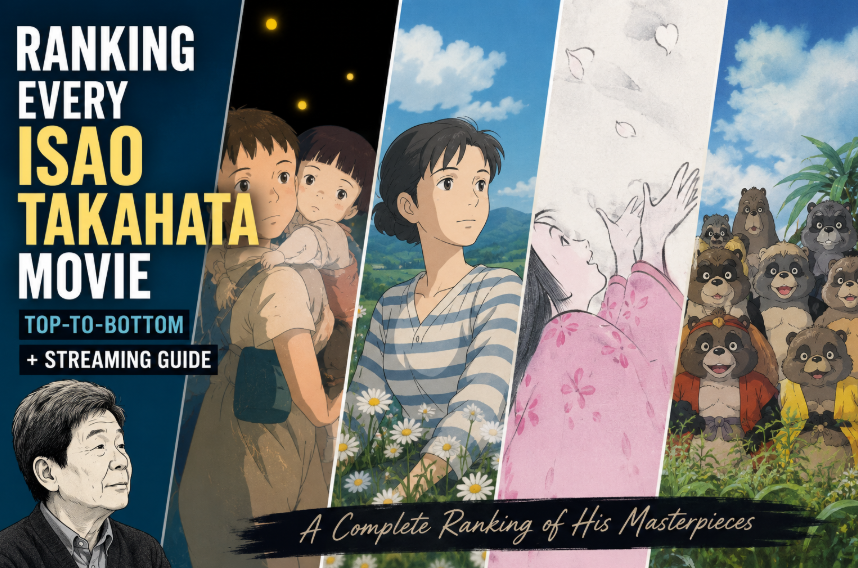
Isao Takahata is one of the most influential figures in Japanese animation, and yet he never followed the conventions that define most anime directors. As a co-founder of Studio Ghibli alongside Hayao Miyazaki, Takahata built a career on resisting formulas—choosing realism over fantasy, silence over spectacle, and everyday emotion over heroic adventure. His films don’t share a common genre or visual style, because each one was designed as a completely independent artistic experiment.
From the devastating wartime tragedy of Grave of the Fireflies to the watercolor-like abstraction of The Tale of the Princess Kaguya, Takahata’s work spans nearly five decades of filmmaking and consistently challenges what animation is capable of expressing. Some of his films are deeply personal and nostalgic, others are politically sharp or formally experimental, but all of them share a commitment to emotional honesty and human storytelling.
In this guide, we rank every major Isao Takahata film from top to bottom and explore what makes each one unique. We’ll also include a 2026 streaming guide so you can easily find where to watch them today—whether you’re discovering his work for the first time or revisiting one of animation’s most quietly revolutionary directors.
Isao Takahata Films Ranked at a Glance (Overview Table)
Before diving into the detailed breakdown, here’s a complete overview of every major Isao Takahata film ranked from top to bottom. This table gives you a quick snapshot of each movie’s tone, style, and why it matters.
| Rank | Film | Year | Tone / Style | Why It Ranks Here |
|---|---|---|---|---|
| #1 | The Tale of the Princess Kaguya | 2013 | Experimental / Art-house | Peak of Takahata’s artistry, watercolor visual revolution |
| #2 | Grave of the Fireflies | 1988 | War / Tragedy | One of the most devastating anti-war films ever made |
| #3 | Only Yesterday | 1991 | Realism / Nostalgia | Most emotionally mature Ghibli film |
| #4 | Pom Poko | 1994 | Satire / Fantasy | Bold environmental allegory rooted in folklore |
| #5 | Gauche the Cellist | 1982 | Musical / Drama | Quiet masterpiece about art and discipline |
| #6 | My Neighbors the Yamadas | 1999 | Experimental / Comedy | Unique comic-strip visual experiment |
| #7 | The Great Adventure of Horus, Prince of the Sun / Little Norse Prince Valiant (1968) | 1968 | Fantasy / Adventure | Historic milestone in Japanese animation |
| #8 | Chie the Brat | 1981 | Slice of life / Realism | Strong domestic cultural value, but less global visibility |
| #9 | Panda! Go, Panda! | 1972 | Family / Comedy | Early proto-Ghibli charm |
| #10 | Panda! Go, Panda! Rainy-Day Circus | 1973 | Family / Fantasy | Light sequel, mainly historical interest |
Detailed Rankings of Every Isao Takahata Film
Now that we’ve seen the overall ranking at a glance, let’s take a closer look at each film in detail. This section breaks down why each movie holds its position in the ranking, what makes it unique within Isao Takahata’s filmography, and who it is best suited for. From emotionally devastating war dramas to experimental visual storytelling, each entry represents a completely different cinematic approach.
#1. The Tale of the Princess Kaguya (2013)
Where to stream: HBO Max
Why It Ranks Here: The Tale of the Princess Kaguya stands at the very top of Isao Takahata’s filmography because it represents the peak of his artistic ambition. As his final film, it fully embraces an experimental watercolor-inspired visual revolution that breaks away from traditional animation techniques. More than just a film, it feels like a moving painting that completely redefines what animation can express.
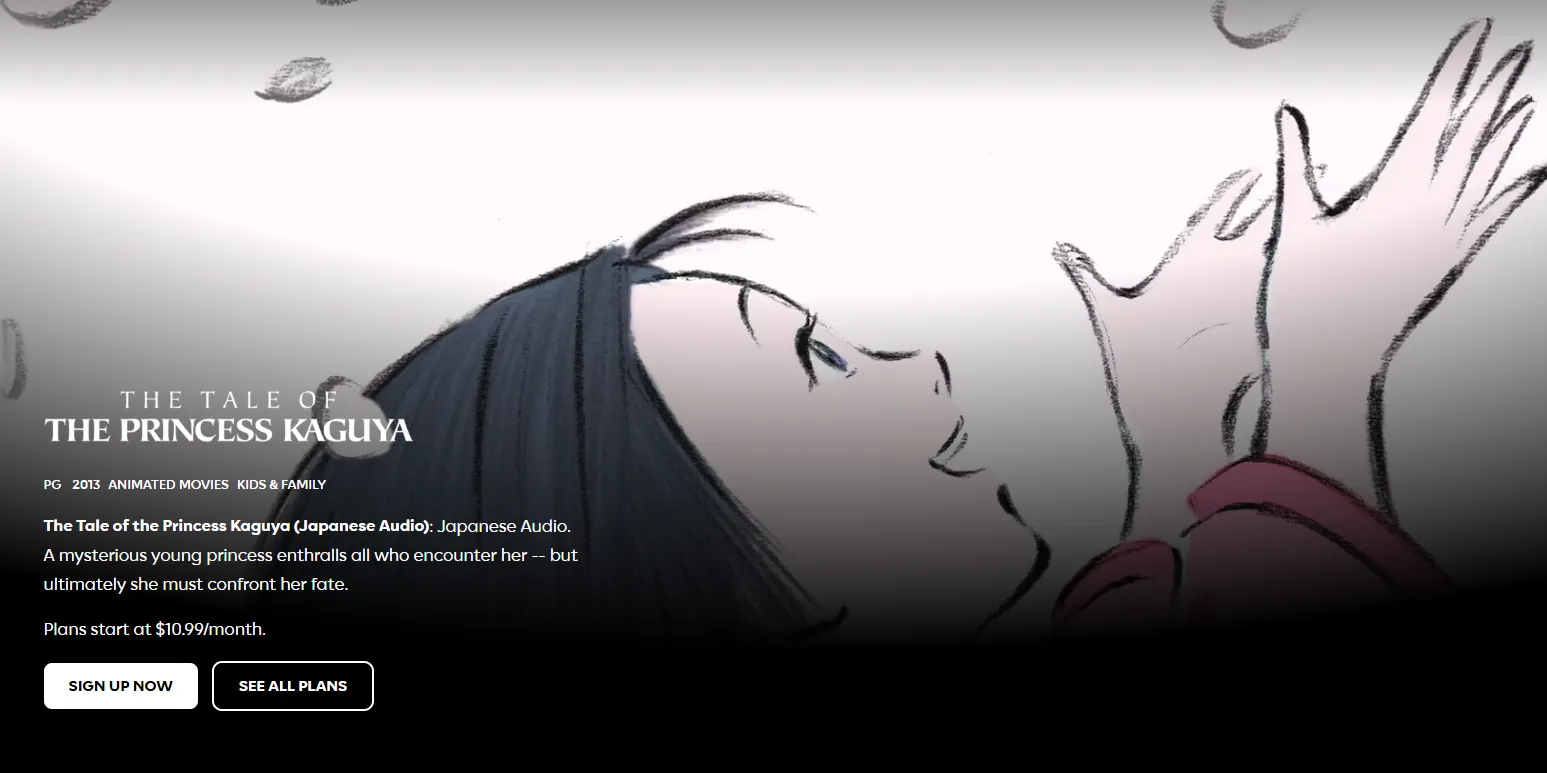
Story Overview (No Spoilers): Adapted from the 10th-century folklore The Tale of the Bamboo Cutter, the film follows a mysterious miniature girl found inside a glowing bamboo stalk. Raised by a humble woodcutter, she grows rapidly into an ethereal young woman caught between the constraints of high-society nobility and her innate yearning for spiritual freedom.
Themes & Style: This is Takahata’s most abstract and deeply poetic work, focusing on the pain of earthly impermanence, identity, and existential freedom. The hand-drawn, sketch-like animation deliberately rejects industrial polish in favor of raw emotional expression. The use of ma (negative space) allows watercolor washes to blend into stark backgrounds. Its absolute apex is a famous flight sequence where the neat lines violently dissolve into a chaotic storm of heavy charcoal slashes to mirror the Princess's internal breakdown.
Who Should Watch It: Best suited for viewers who appreciate art-house animation, slow-paced visual poetry, and deeply philosophical narratives that linger long after the credits roll.
#2. Grave of the Fireflies (1988)
Where to stream: Netflix
Why It Ranks Here: Grave of the Fireflies secures its legendary #2 spot because it remains one of the most powerful, uncompromising war tragedies ever put to film. It proved to the world that animation could handle the heaviest and most devastating realities of human history with absolute honesty, serving as a bleak yet vital milestone in cinema.
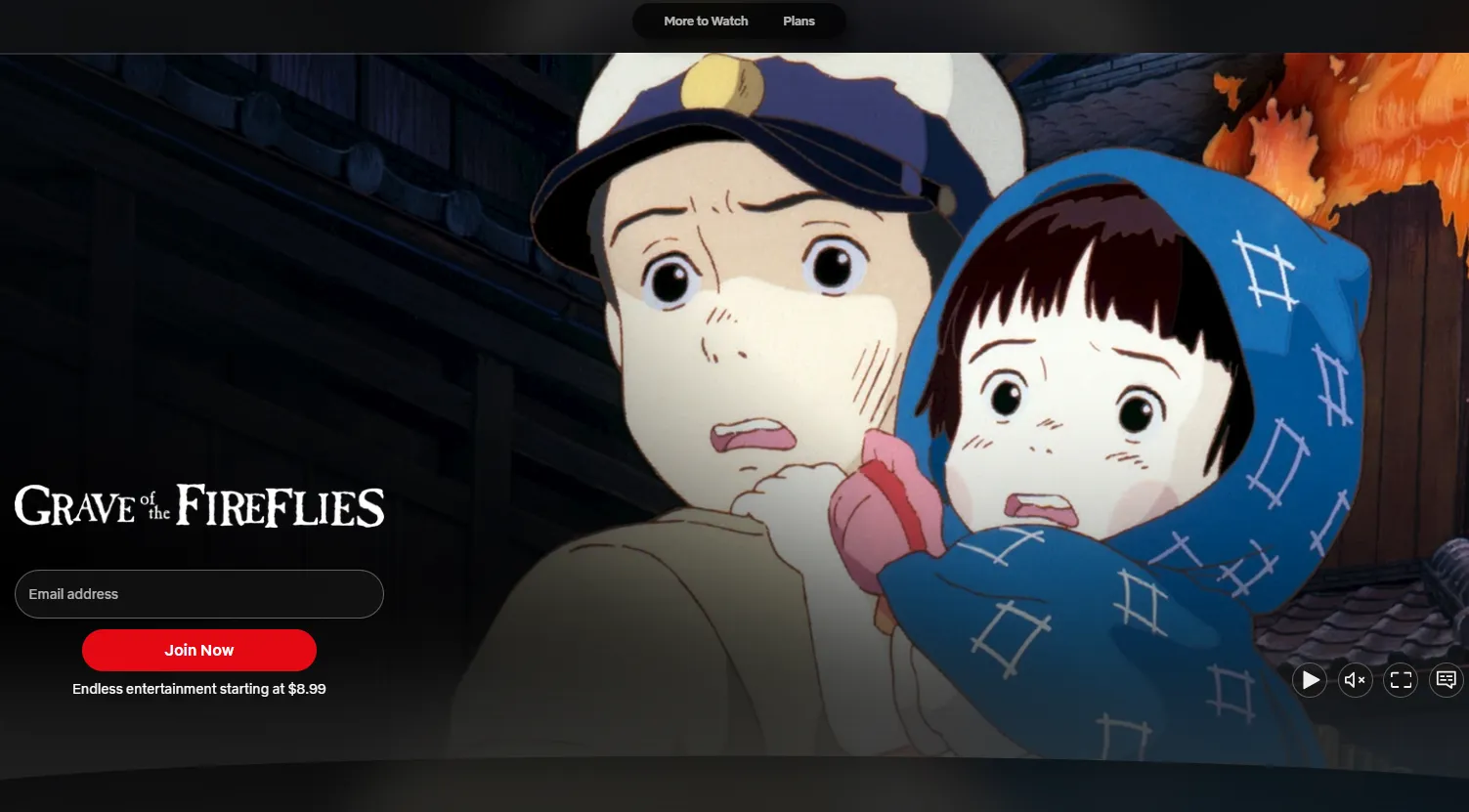
Story Overview (No Spoilers): Set during the final, desperate months of World War II, the narrative chronicles the harrowing journey of a young teenage boy, Seita, and his four-year-old sister, Setsuko. After a firebombing raid destroys their home and claims their mother, the two orphans are left to fend for themselves in a crumbling society.
Themes & Style: Takahata rigorously rejects Hollywood-style melodrama, opting instead for a quiet, bruising realism that captures the slow-burn agony of starvation, pride, and societal collapse. While universally interpreted as an anti-war statement, Takahata also crafted it as a sharp cautionary tale about isolationism—critiquing how pride can drive youth to cut ties with the community and retreat into a private, fatal bubble.
Who Should Watch It: Essential viewing for anyone interested in historical cinema and mature storytelling, though first-time viewers must be prepared for a deeply emotional, devastatingly heavy experience that is notoriously difficult to watch a second time.
#3. Only Yesterday (1991)
Where to stream: HBO Max
Why It Ranks Here: Holding the #3 position, Only Yesterday stands out as the most emotionally mature, psychologically grounded film in the entire Studio Ghibli catalog. It is a brilliant, quiet masterclass in character study that treats the internal lives and ordinary struggles of women with profound respect and technical precision.
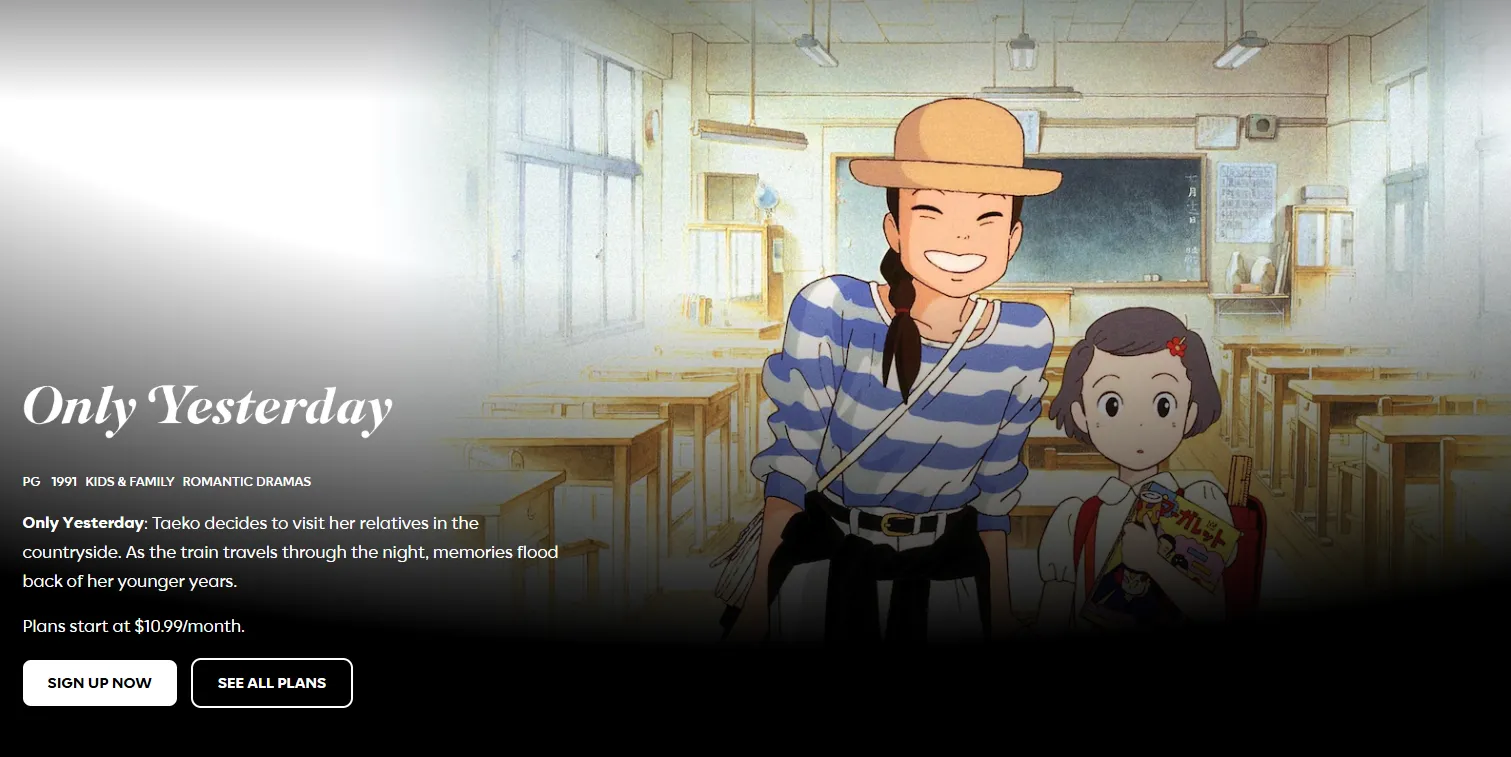
Story Overview (No Spoilers): Taeko, a 27-year-old unmarried office worker living in Tokyo, decides to take a short break from the city to help with a relative's safflower harvest in rural Yamagata. During her train ride and subsequent farm work, she is flooded by vivid memories of her 10-year-old self in 1966, sparking an unexpected internal confrontation.
Themes & Style: The film masterfully balances two distinct visual timelines: the softly blurred, pastel-hued nostalgia of childhood and the hyper-detailed, sharply realistic world of her adulthood. Takahata famously forced animators to record the voice actors' dialogue before animating, mapping characters' facial muscles and laugh lines to match realistic human speech. It explores themes of adult regret, societal pressures on unmarried women, and the lifelong process of healing your inner child.
Who Should Watch It: An absolute must-watch for anyone facing a quarter-life crisis, fans of realistic "slice of life" dramas, or adults looking for a deeply therapeutic cinematic experience.
#4. Pom Poko (1994)
Where to stream: HBO Max
Why It Ranks Here: Pom Poko lands at #4 because it is Takahata’s most energetic, chaotic, and boldly creative allegory. By weaving ancient Japanese mythology into a stark modern crisis, he created a unique tragicomedy that expertly balances lighthearted slapstick with eco-political heartbreak.
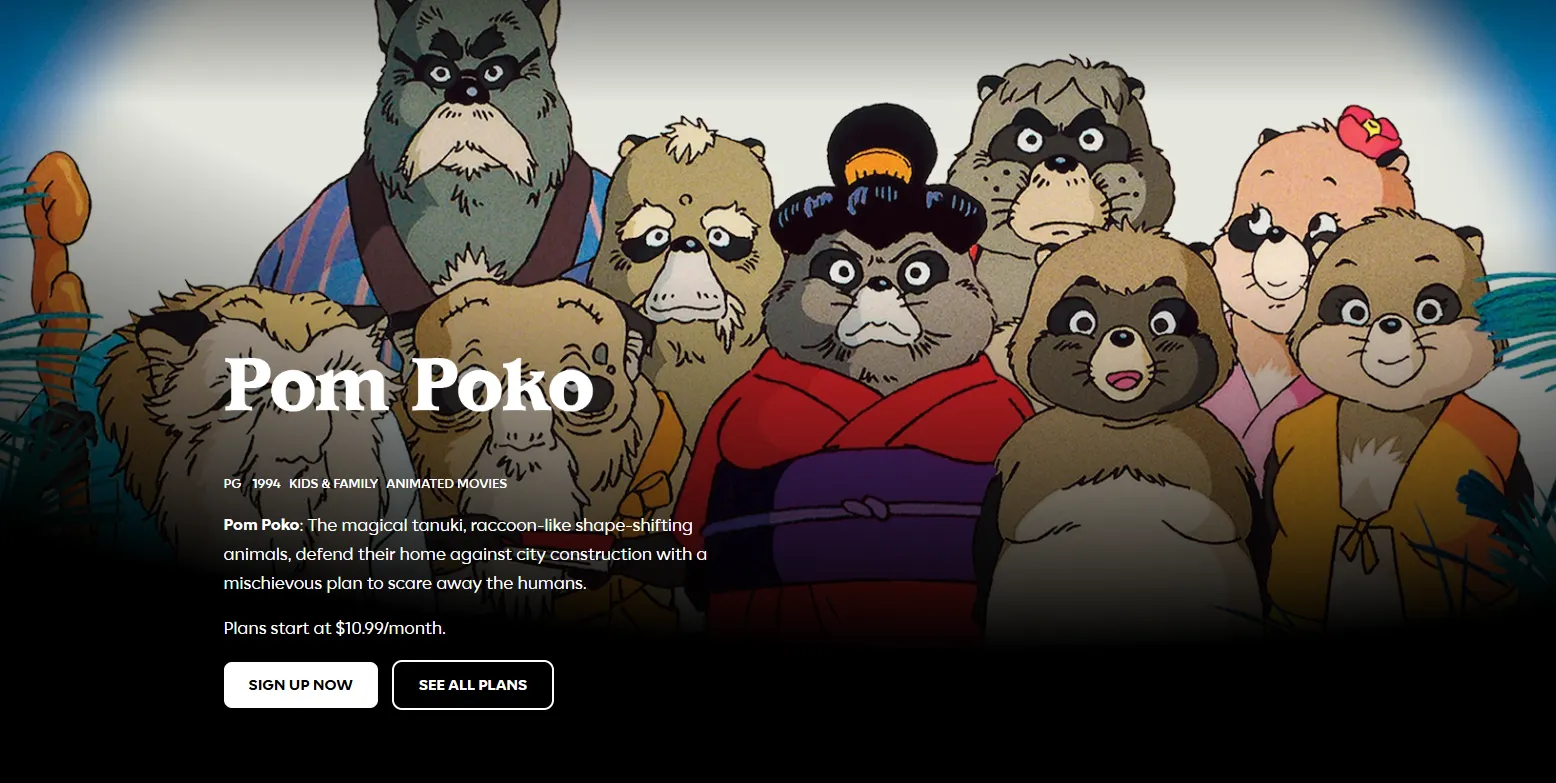
Story Overview (No Spoilers): As human suburban expansion rapidly bulldozes the forests of the Tama Hills in the late 1960s, a community of shape-shifting tanuki (Japanese raccoon dogs) declare war on the construction crews, utilizing their forgotten magical arts of illusion to terrify the human intruders.
Themes & Style: The film shifts effortlessly between three art styles: highly realistic wildlife, humanoid cartoon creatures, and the classic comic art style of legendary manga artist Shigeru Mizuki. Beneath the laughing, shape-shifting antics lies a bitter environmental satire about urbanization, cultural erasure, and the devastating, unyielding cost of human progress. The climax—a massive, melancholic "ghost parade"—stands as a peak Ghibli animation sequence.
Who Should Watch It: Great for those who enjoy folklore, mythology, and dark comedy wrapped in a colorful, deceptively whimsical package.
#5. Gauche the Cellist (1982)
Where to stream: Amazon
Why It Ranks Here: Gauche the Cellist sits firmly at #5 as a quiet, beautifully crafted masterpiece about the grueling discipline of artistic creation. It is a brilliant example of Takahata’s pre-Ghibli genius, demonstrating his unparalleled ability to synchronize classical music directly with character psychology.
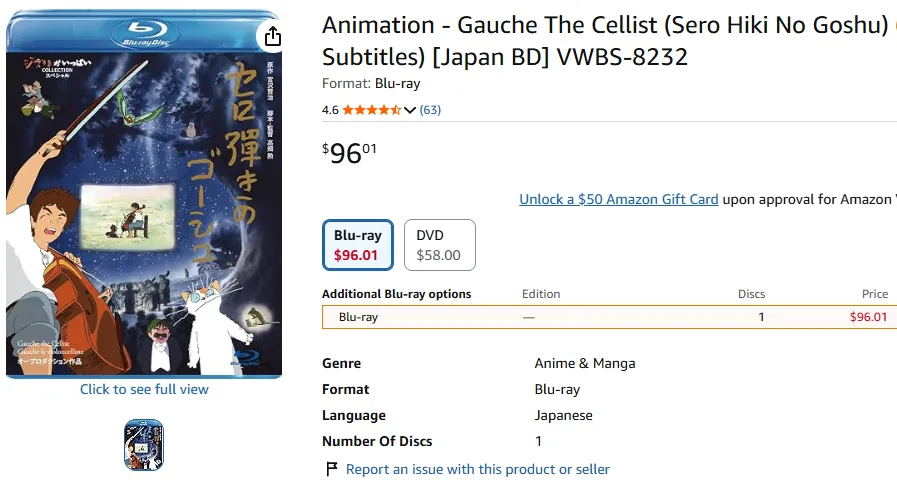
Story Overview (No Spoilers): Gauche is a mediocre, frustrated cellist in a local orchestra who gets publicly scolded by his conductor just days before a major performance. Over a series of nights, a succession of talking animals—including a cat, a cuckoo bird, and a raccoon—visit his lonely cabin, inadvertently teaching him the true meaning of emotion, stamina, and rhythm.
Themes & Style: The film is a poetic meditation on art, patience, and connecting with nature. Visually, it relies on soft, impressionistic background paintings. Structurally, it is an incredible technical achievement: Takahata spent years studying cellists, ensuring that Gauche's finger placements, bowing techniques, and physical posture perfectly match Ludwig van Beethoven’s Symphony No. 6 (Pastoral) in real time.
Who Should Watch It: A must-watch for classical music lovers, performing artists, or anyone who appreciates a gentle, rhythmic, and deeply focused character study about overcoming a creative block.
#6. My Neighbors the Yamadas (1999)
Where to stream: HBO Max
Why It Ranks Here: My Neighbors the Yamadas lands at #6 because it is one of the most radical departures in Ghibli history. Takahata completely threw away the studio's signature lush, detailed backgrounds to create a minimalist digital comic strip, proving that emotional depth doesn't require complex rendering.
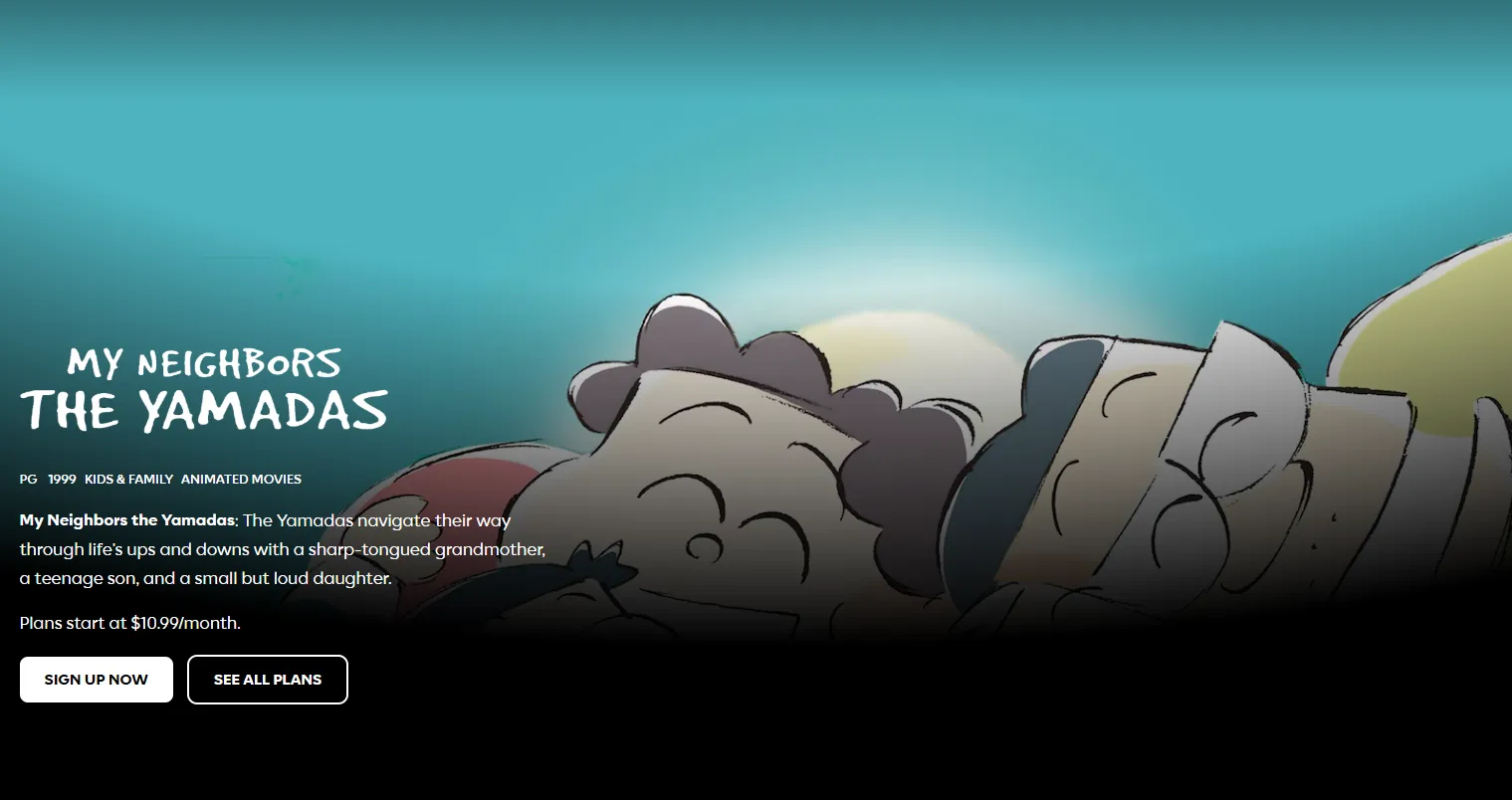
Story Overview (No Spoilers): Presented as a series of short, episodic vignettes, the film chronicles the daily trials, arguments, and small joys of the Yamadas—a completely ordinary, middle-class family living in suburban Tokyo.
Themes & Style: This was Ghibli’s very first 100% fully digital film. Takahata utilizes a loose, sketch-like watercolor aesthetic that perfectly mirrors a newspaper comic strip. The theme is beautifully simple: life is messy, marriage is a constant compromise, and family is exhausting—but through patience and humor, we get by. It acts as a gentle, comedic antidote to modern societal anxiety.
Who Should Watch It: Perfect for anyone looking for a lighthearted, laugh-out-loud comedy, or viewers interested in seeing a rare, avant-garde side of Studio Ghibli's technical history.
#7. The Great Adventure of Horus, Prince of the Sun / Little Norse Prince Valiant (1968) (1968)
Where to stream: Tubi
Why It Ranks Here: Ranking at #7, Horus is an absolute titan of historical importance. It is the film that started it all—marking Isao Takahata’s feature directorial debut and the true origin point of his lifelong partnership with Hayao Miyazaki, who served as the chief scene designer.
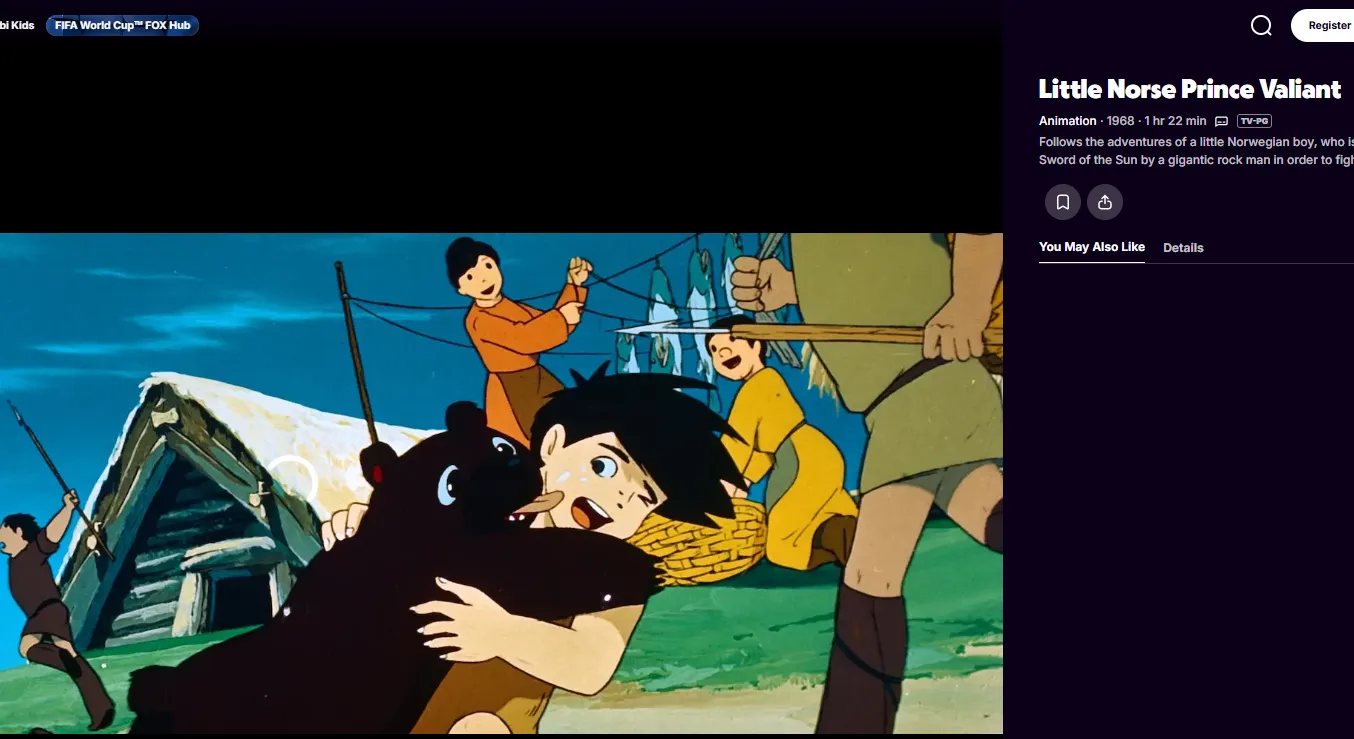
Story Overview (No Spoilers): A brave young boy named Horus retrieves the mystical "Sword of the Sun" from a stone giant and sets out on an epic journey to save a desolate village from the oppressive, icy tyranny of the wicked sorcerer Grunwald.
Themes & Style: Despite being a 1960s commercial film made at Toei Animation, Takahata completely revolutionized the industry by embedding complex political metaphors, psychological trauma, and nuanced villains into what was supposed to be a children's cartoon. It features heavy themes of community solidarity, class division, and inner darkness, wrapped in a classic European-style folklore aesthetic.
Who Should Watch It: An absolute prerequisite for animation historians, Ghibli completionists, and fans who want to witness the exact moment modern Japanese anime grew up and embraced mature storytelling.
#8. Chie the Brat (1981)
Where to stream: Amazon
Why It Ranks Here: Chie the Brat ranks at #8 because while it holds massive domestic cultural value in Japan, it features less global visibility due to its deeply localized humor and thick regional dialect. However, it is an essential piece of Takahata’s puzzle, marking the exact transition point where he abandoned grand fantasies to find magic in the working-class reality of everyday life.
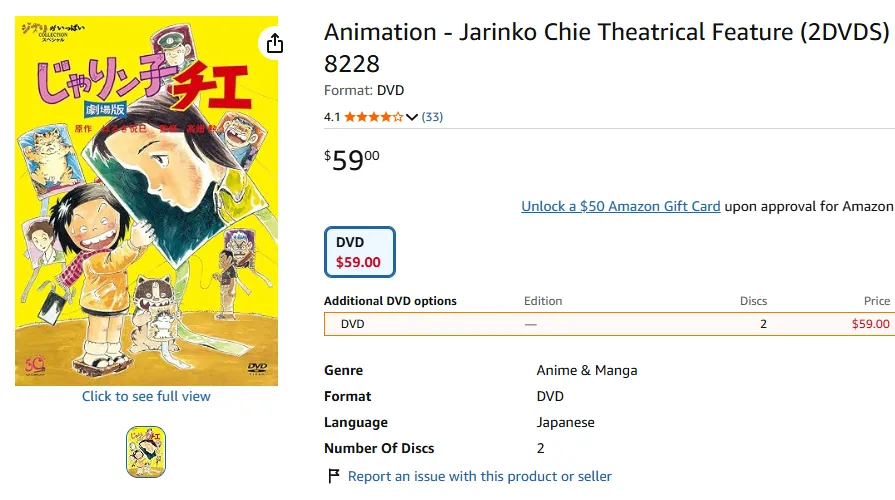
Story Overview (No Spoilers): Set in a gritty, blue-collar neighborhood of Osaka, the film follows Chie, a fierce and incredibly independent elementary school girl who practically runs her family’s small tavern while managing her hot-tempered, unemployed, gambling father.
Themes & Style: Takahata leans heavily into physical slapstick, bold character designs, and authentic local color. The film stands out for its unabashed embrace of working-class rough edges, substituting typical cinematic sentimentality with a crude, hilarious, yet deeply warm celebration of unconventional family bonds and community resilience.
Who Should Watch It: Ideal for cinephiles searching for a hidden gem outside the polished Ghibli formula, or those who enjoy loud, character-driven comedies with a lot of historical regional charm.
#9. Panda! Go, Panda! (1972)
Where to stream: Apple TV
Why It Ranks Here: Landing at #9, this delightful mid-length film offers pure, unadulterated proto-Ghibli charm. It sits toward the bottom simply because it is a short, simplistic film aimed strictly at toddlers, but its architectural role in defining the visual language of My Neighbor Totoro makes it historically irreplaceable.
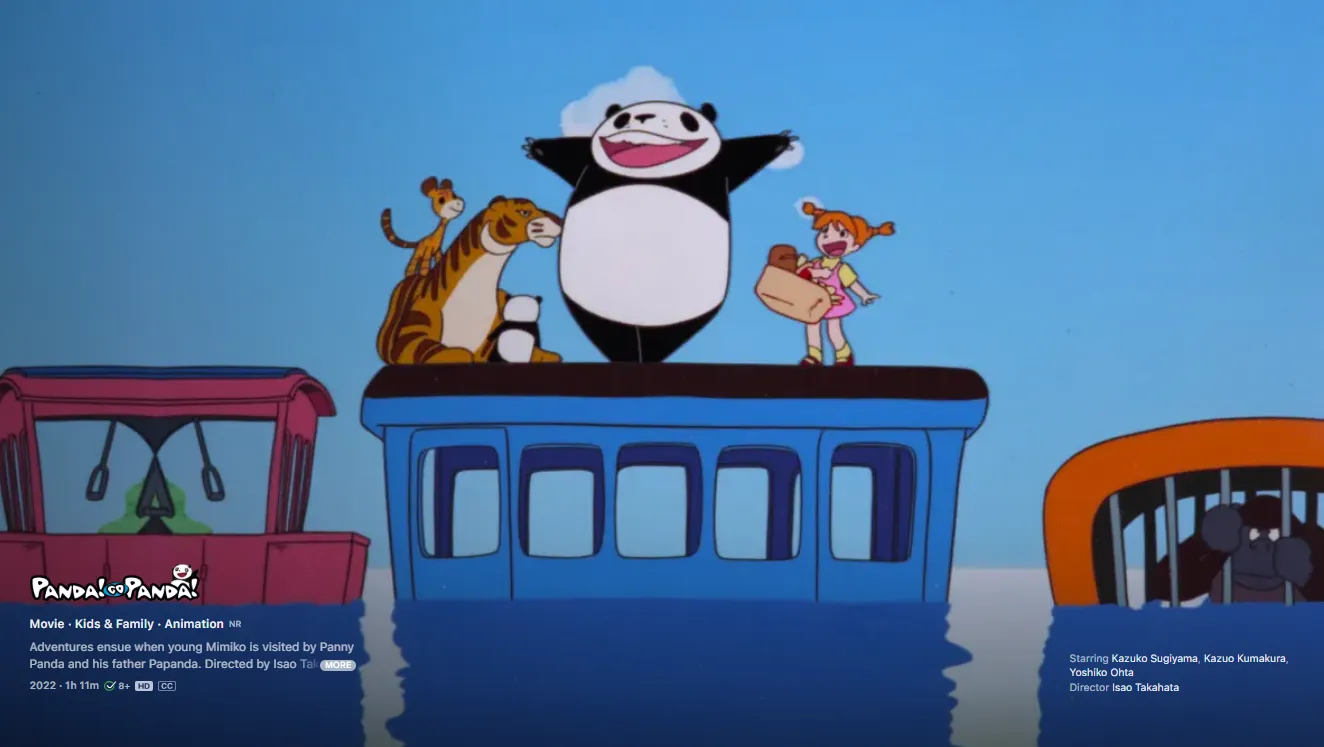
Story Overview (No Spoilers): Mimiko, a cheerful young girl left home alone while her grandmother is away, discovers a baby panda named Panny and his giant father, Papanda, in her backyard. Instead of being frightened, she joyfully welcomes them into her home, creating a makeshift, loving family.
Themes & Style: Directed by Takahata and written entirely by Hayao Miyazaki at the height of Japan’s 1972 "panda craze," the film relies on bright, joyful animation and physical comedy. Papanda’s massive, round silhouette, permanent wide-toothed grin, and comforting presence serve as the literal creative blueprint for Totoro sixteen years later, while Mimiko’s spunky pigtails directly informed the character design of Mei and Satsuki.
Who Should Watch It: Perfect for young children, parents looking for wholesome family viewing, or Ghibli die-hards looking to explore the studio's early stylistic roots.
#10. Panda! Go, Panda!: Rainy-Day Circus (1973)
Where to stream: Apple TV
Why It Ranks Here: Closing out our list at #10 is the whimsical sequel to the original panda short. It occupies the bottom spot because it is a brief, breezy continuation that doesn't attempt to break new ground, existing primarily as a piece of delightful historical interest for animation completionists.
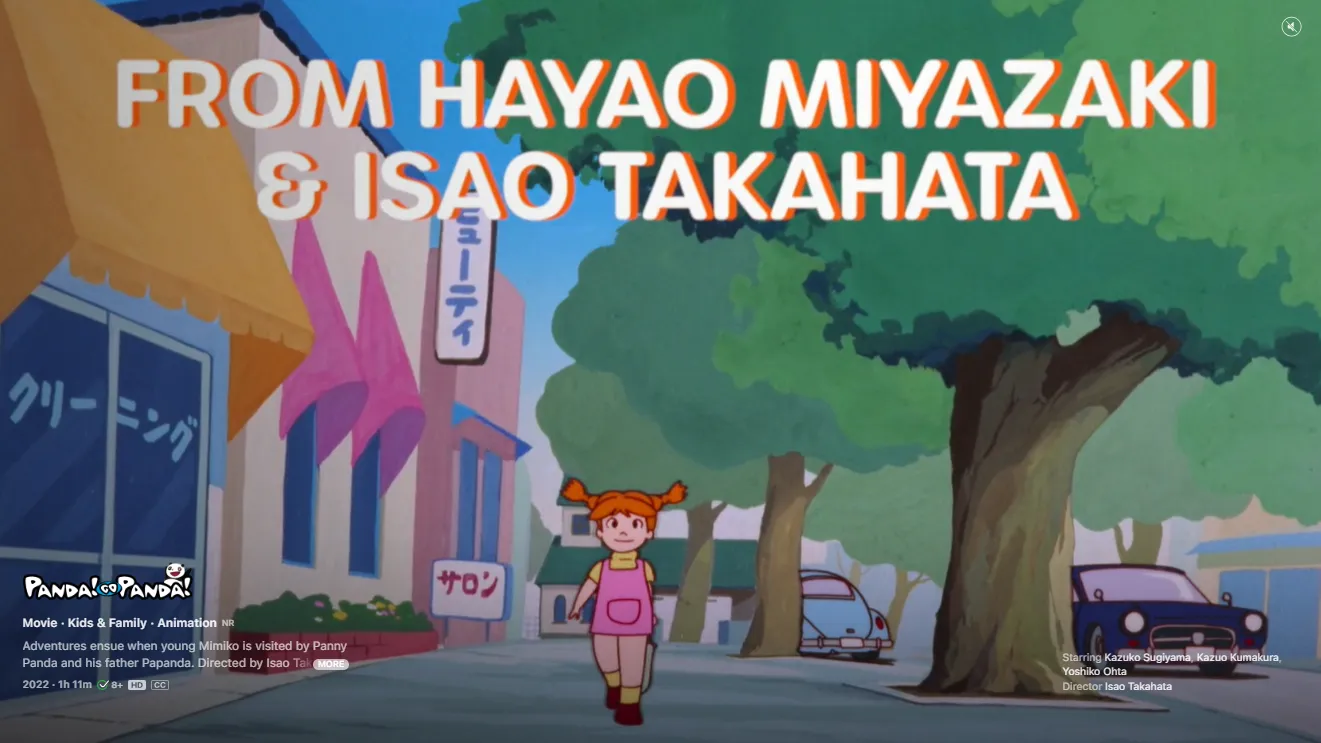
Story Overview (No Spoilers): Mimiko and her panda family return for a new adventure when a massive storm floods their town, forcing them to use an old train to rescue a lost tiger cub and an assortment of stranded animals from a runaway circus.
Themes & Style: The film doubles down on the slapstick energy of the first installment, incorporating imaginative aquatic rescue sequences. Interestingly, the imagery of a town completely submerged under pristine blue floodwater, with trains chugging directly through the currents, would be re-mined by Miyazaki decades later for the iconic train sequence in Spirited Away and the flooded landscapes of Ponyo.
Who Should Watch It: Best paired directly with the first film for a double-feature night with young kids, or for fans looking to spot hidden visual echoes of future Ghibli masterpieces.
Beyond the Main Catalog: The 2 Hidden Gems
While the 10 films above comprise Takahata’s core cinematic legacy, hardcore Ghibli completionists should know about two rare, highly experimental projects that showcase his brilliance outside of traditional feature animation.
The Story of Yanagawa's Canals (1987)
What It Is: A three-hour, live-action documentary with animated segments about a city saving its polluted waterways.
Why It Matters: This project ran so wildly over budget that it completely drained Hayao Miyazaki's life savings. To pay off the massive debt, Miyazaki was forced to rapidly pitch and direct Castle in the Sky—meaning this documentary is the accidental reason Studio Ghibli was officially founded.
Winter Days (冬の日, 2003)
What It Is: An international collaborative animated anthology short based on 17th-century haiku poetry.
Why It Matters: Takahata joined 35 of the world's greatest animation masters (including Yuri Norstein). He directed a brief, beautiful segment using traditional Japanese ink-and-wash brushstrokes, which served as the literal aesthetic stepping stone to The Tale of the Princess Kaguya.
Which Isao Takahata Film Should You Start With? (The Ultimate Entry Points)
Because Isao Takahata never followed a single creative formula, his films vary drastically in tone, style, and emotional intensity. This makes his filmography rewarding, but also slightly challenging for first-time viewers. Unlike most directors, there is no “correct” chronological entry point—only different ways into his world depending on your preferences. To make things easier, here are three recommended starting paths based on viewing style and experience level.
Beginner-Friendly Entry Point
Start with: Only Yesterday
If you are new to Takahata or Studio Ghibli’s more realistic side, this is the most accessible starting point. It maintains a gentle, grounded storytelling style while remaining emotionally relatable and easy to follow.
Best for: First-time Ghibli viewers; Slice-of-life fans; Viewers transitioning from fantasy to realism.
Artistic / Experimental Entry Point
Start with: The Tale of the Princess Kaguya
This entry point is ideal for viewers who are primarily interested in animation as an artistic medium. It represents Takahata’s most visually experimental work and redefines traditional animation aesthetics.
Best for: Art-house animation fans; Animation students and creators; Visual storytelling enthusiasts.
Emotionally Intense Entry Point
Start with: Grave of the Fireflies
This is the most emotionally powerful entry point and one of the most impactful anti-war films in animation history. It immediately establishes Takahata’s focus on realism and human suffering.
Best for: Viewers interested in historical drama; Fans of serious emotional storytelling; Film enthusiasts exploring classic cinema.
Frequently Asked Questions (FAQ)
1. Is Isao Takahata better than Hayao Miyazaki?
Isao Takahata and Hayao Miyazaki represent two very different creative philosophies rather than a simple “better or worse” comparison. Miyazaki is known for fantasy-driven storytelling, rich world-building, and adventurous narratives, while Takahata focuses on realism, emotional subtlety, and experimental storytelling techniques. Takahata’s films are often more grounded and stylistically diverse, while Miyazaki’s tend to be more consistent and visually iconic. Ultimately, it depends on whether you prefer emotional realism or fantasy-driven cinema.
2. Why are Isao Takahata’s films so different from each other?
Unlike many directors who develop a recognizable visual or narrative style, Isao Takahata deliberately avoided repeating himself. Each film was treated as a unique artistic experiment, often using different animation techniques, storytelling structures, and tonal approaches. This is why his filmography ranges from historical tragedy to experimental comedy and minimalist slice-of-life storytelling.
3. What is Isao Takahata’s most visually unique film?
The Tale of the Princess Kaguya is his most visually distinctive work. The film uses a watercolor-inspired, sketch-like animation style that intentionally breaks traditional animation rules. It is widely regarded as one of the most innovative animated films in terms of visual storytelling.
4. What is Isao Takahata’s most emotional movie?
Grave of the Fireflies is widely considered his most emotionally powerful film, portraying the devastating human cost of war through the eyes of two orphaned children. It is so notoriously intense that when Studio Ghibli originally released it in 1988, they had to screen it as a theatrical double-feature alongside the joyful My Neighbor Totoro just to help audiences emotionally heal. It remains a historical masterpiece that is universally ranked among the most emotionally devastating films ever made.
5. Are Isao Takahata’s movies safe for young children?
Most of them are not suited for toddlers. While Panda! Go Panda! is pure, wholesome joy for young children, films like Only Yesterday will completely bore them with its adult psychological themes. Meanwhile, Grave of the Fireflies contains intense historical trauma, and Pom Poko contains mature environmental despair and mythological crude humor. Stick to the ranking's "Who Should Watch It" guidelines before putting one on for family movie night!
Conclusion
This ranking of Isao Takahata’s films highlights just how diverse and unconventional his filmography truly is. Rather than following a fixed style or formula, each work stands on its own as a completely different cinematic experiment.
From the emotional weight of Grave of the Fireflies to the introspective realism of Only Yesterday and the artistic innovation of The Tale of the Princess Kaguya, the ranking ultimately reflects not just quality, but also impact, style, and accessibility. There is no single “correct” way to experience his work—only different films that resonate in different ways depending on the viewer.