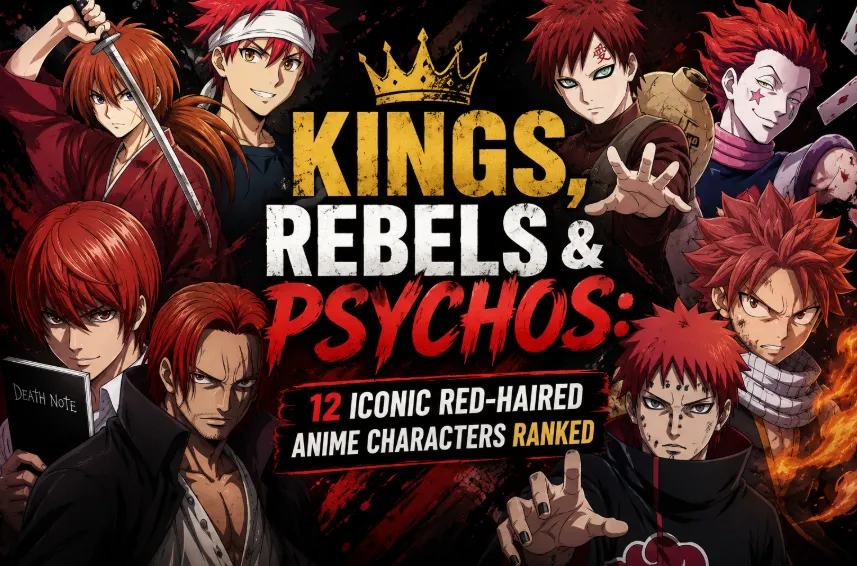
Few character designs are as unforgettable as red-haired anime characters. From fearless leaders and unstoppable rebels to charming psychopaths, these characters are often the most passionate, powerful, and unpredictable figures in their stories. Their striking appearance is more than a visual choice—it represents confidence, ambition, and a willingness to stand apart from everyone else.
This list ranks the most iconic red-haired anime characters through three defining archetypes: Kings, Rebels, and Psychos. Instead of focusing only on popularity, we celebrate the personalities, influence, and lasting impact that have made these anime redheads fan favorites across generations.
To keep the ranking consistent, only characters officially portrayed with red or crimson-toned hair are included. Whether they rule kingdoms, challenge destiny, or embrace beautiful chaos, these twelve legends prove one thing: in anime, red hair is never ordinary.
Quick Overview of the 12 Iconic Red-Haired Anime Characters
Before diving into each character in detail, here’s a quick breakdown of the full ranking. This table gives you a fast overview of all 12 red-haired anime characters, including their series, category, and why they stand out in this list.
| Rank | Character | Anime | Category | Why They’re Iconic |
|---|---|---|---|---|
| 1 | Shanks | One Piece | King | The legendary Red-Haired Emperor whose presence alone commands the seas |
| 2 | Erza Scarlet | Fairy Tail | King | The “Titania” warrior queen who embodies strength and leadership |
| 3 | Gaara | Naruto | King | A former monster turned respected Kazekage |
| 4 | Kouen Ren | Magi | King | A strategic imperial prince with unmatched ambition |
| 5 | Hanamichi Sakuragi | Slam Dunk | Rebel | The original red-haired delinquent icon of sports anime |
| 6 | Renji Abarai | Bleach | Rebel | A fierce Soul Reaper driven by loyalty and growth |
| 7 | Hyoma Chigiri | Blue Lock | Rebel | A speed genius who overcame injury to redefine his limits |
| 8 | Kallen Stadtfeld | Code Geass | Rebel | A revolutionary ace pilot fighting for freedom |
| 9 | Yona | Yona of the Dawn | Rebel | A fallen princess who becomes a warrior archer |
| 10 | Hisoka Morow | Hunter × Hunter | Psycho | A chaotic fighter driven by obsession and pleasure |
| 11 | Karma Akabane | Assassination Classroom | Psycho | A smiling genius with a dangerous playful nature |
| 12 | Seijuro Akashi | Kuroko’s Basketball | Psycho | An “Emperor” personality with absolute dominance and control |
Part 1: The Kings
The characters in this tier don't just possess power—they command entire eras. Wielding their red hair like a crown of fire, these figures define authority, carry the weight of nations, and maintain the fragile balance of their respective worlds.
1. Shanks (One Piece)
Visual Symbolism: Shanks is instantly recognizable across One Piece for his vivid red hair, the feature that earned him the epithet “Red-Haired Shanks.” Combined with the three scars over his left eye, his design reflects both elegance and danger—a pirate who embodies freedom while standing at the absolute peak of authority.
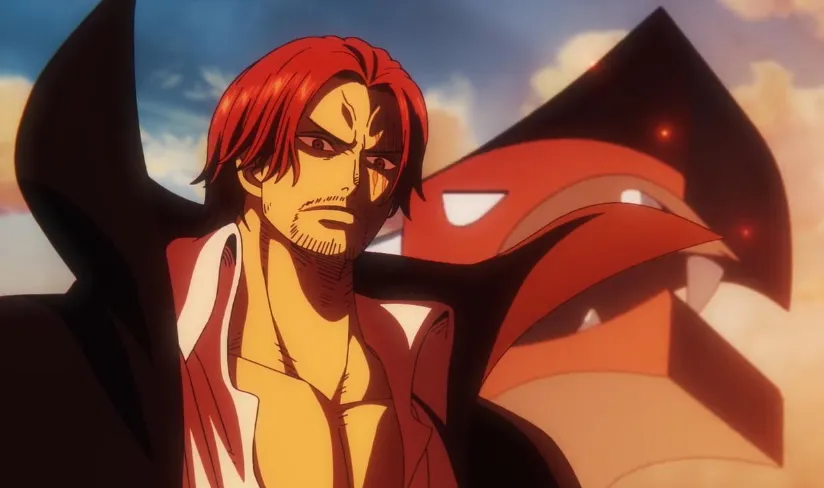
Narrative Impact: Shanks serves as a stabilizing force within the world of One Piece. Rather than pursuing conquest, he operates as a mediator whose presence alone can shift global tensions. From boarding Whitebeard’s ship without hesitation to ending the Paramount War at Marineford simply by arriving, his influence comes not from aggression, but from the certainty that conflict is no longer worth continuing once he steps in.
Generational Legacy: For nearly three decades, Shanks has remained one of the most iconic figures in modern shonen anime. Despite limited screen time, every appearance carries massive narrative weight, consistently reigniting global fan discussion. As the story moves toward its final saga, Shanks continues to define what it means to be a “King” in anime—one whose authority is measured not by conquest, but by universal recognition.
2. Erza Scarlet (Fairy Tail)
Visual Symbolism: Erza Scarlet embodies the meaning of her name in both appearance and identity. Her vivid red hair—paired with her ever-changing arsenal of armor—creates a powerful contrast between softness and steel. This duality defines her character: a woman whose emotional depth is matched only by her absolute strength of will.
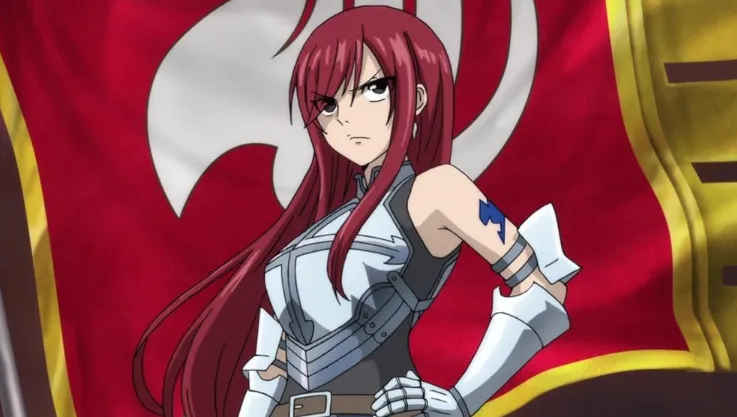
Narrative Impact: Known as “Titania,” the Queen of the Fairies, Erza stands as the undisputed pillar of the Fairy Tail guild. Through her Requip Magic, she adapts instantly to any battlefield, becoming both the guild’s strongest frontline fighter and its stabilizing force in moments of crisis. When chaos erupts, Erza is the one who restores order—not through fear, but through undeniable authority earned in battle.
Generational Legacy: Erza helped redefine how powerful female characters are portrayed in modern shonen anime. She is not only remembered for her overwhelming combat ability, but also for her emotional complexity—balancing strict discipline with deeply human vulnerability. This combination has made her one of the most enduring “warrior queen” archetypes in anime history.
3. Gaara (Naruto)
Visual Symbolism: Gaara is defined by his deep crimson hair, a visual reflection of his early life marked by fear, isolation, and violence. Combined with the kanji for “Love” carved into his forehead, his original design represents a paradox: a child shaped by hatred who could only understand existence through survival and aggression.
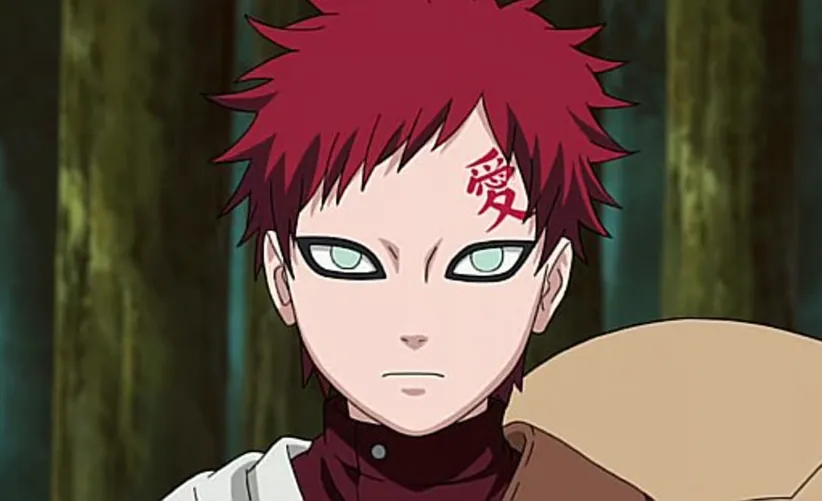
Narrative Impact: Gaara’s story delivers one of the most powerful redemption arcs in Naruto. Once feared as a weapon of destruction within the Hidden Sand Village, he evolves into the Fifth Kazekage—chosen not through lineage or force, but through trust earned over time. His defining moment comes during the Fourth Shinobi World War, where he rises as a unifying commander, rallying multiple nations into a single alliance. In that moment, Gaara transforms from a symbol of fear into a symbol of shared purpose and leadership.
Generational Legacy: Gaara remains one of anime’s most iconic examples of character transformation. His journey redefined what it means to become a “king” in shonen storytelling—not through domination, but through growth, empathy, and the ability to protect others despite a painful past.
4. Kouen Ren (Magi: The Labyrinth of Magic)
Visual Symbolism: Kouen Ren embodies imperial authority through both design and presence. His striking red hair and commanding appearance reflect his role as the First Imperial Prince of the Kou Empire. Through his Djinn, Agares, he channels overwhelming fire-based power that symbolizes both destruction and the ambition to forge a unified world.
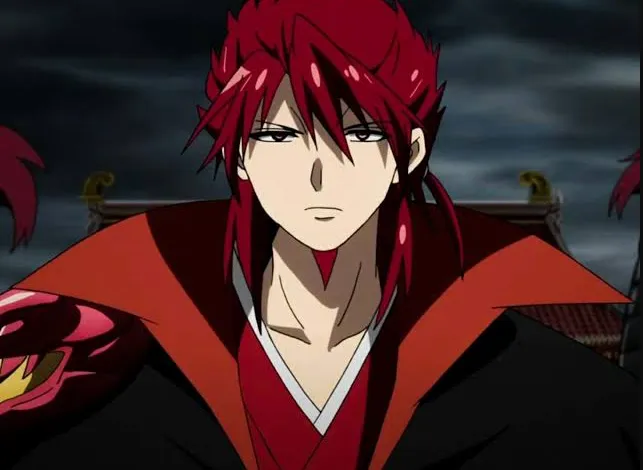
Narrative Impact: Unlike traditional conquerors driven by greed or chaos, Kouen represents a strategic and ideological form of kingship. As a prince of the Kou Empire, his goal is not simply expansion, but the unification of the world under a single rule to end endless conflict. His strength lies not only in his devastating Djinn Equip abilities, but also in his calculated leadership and long-term vision, which place him among the most intellectually formidable rulers in Magi.
Generational Legacy: Kouen Ren stands out in Magi as one of the most complex interpretations of a shonen king. He challenges the traditional morality of heroism by presenting a ruler whose ruthlessness is tied to a philosophical belief in global stability. For many fans, he represents the idea that a “king” is not defined by morality alone, but by the scale of the vision they are willing to pursue.
Part 2: The Rebels
These characters refuse to be controlled by destiny, society, or the rules written for them. Their red hair is not just a visual trait, but a symbol of resistance—an unmistakable sign of individuals who challenge expectations and carve their own path, no matter the cost.
5. Hanamichi Sakuragi (Slam Dunk)
Visual Symbolism: Hanamichi Sakuragi is instantly recognizable through his bright red hair, a defining trait of his delinquent past and untamed personality. His later transformation—shaving it into a buzz cut—serves as a powerful visual marker of growth, symbolizing his shift from reckless street punk to disciplined athlete.
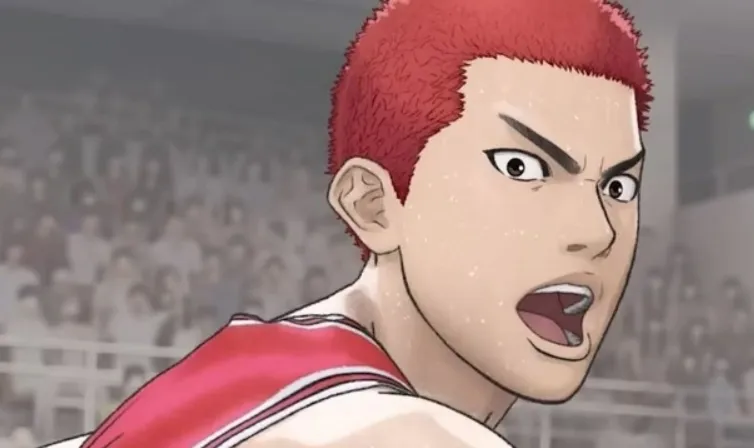
Narrative Impact: Sakuragi is the original blueprint of the sports anime “rebel” archetype. Initially joining basketball for personal reasons, he quickly disrupts the structured world of high school competition with raw athleticism, instinct, and relentless confidence. His presence transforms Shohoku into a team capable of challenging elite competition, not through technique alone, but through sheer energy and refusal to be outmatched.
Generational Legacy: Decades after Slam Dunk, Sakuragi remains one of the most influential sports anime characters of all time. He redefined what it means to be a protagonist in the genre—showing that growth, passion, and persistence can matter just as much as natural talent.
6. Renji Abarai (Bleach)
Visual Symbolism: Renji Abarai is defined by his striking crimson hair tied into a high ponytail, paired with bold facial tattoos that reinforce his fierce and untamed presence. His appearance reflects a personality driven by instinct and emotion, often clashing with the rigid discipline of the Soul Society.
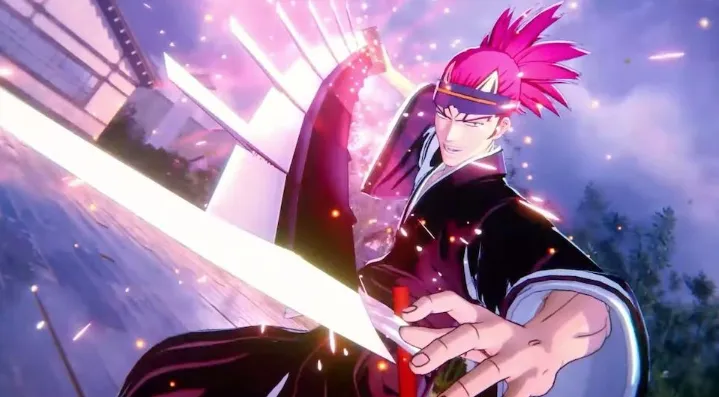
Narrative Impact: Renji’s rebellion in Bleach is rooted in loyalty rather than destruction. As a member of the Gotei 13, he ultimately turns against his own captain, Byakuya Kuchiki, in a desperate attempt to save Rukia. This act places him in direct conflict with the very system he serves, making his rebellion one of the most emotionally driven moments in the series.
Generational Legacy: Renji helped redefine the “rival-turned-ally” archetype in shonen anime. His journey is not one of clean victory, but repeated defeat, growth, and persistence. Each loss only strengthens his resolve, solidifying him as a character whose rebellion is defined by endurance rather than success.
7. Hyoma Chigiri (Blue Lock)
Visual Symbolism: Hyoma Chigiri breaks the traditional image of a red-haired athlete. With his long, reddish-pink hair and refined appearance, he is often nicknamed “Princess.” This contrast highlights his unique design: elegance paired with explosive, game-breaking speed.
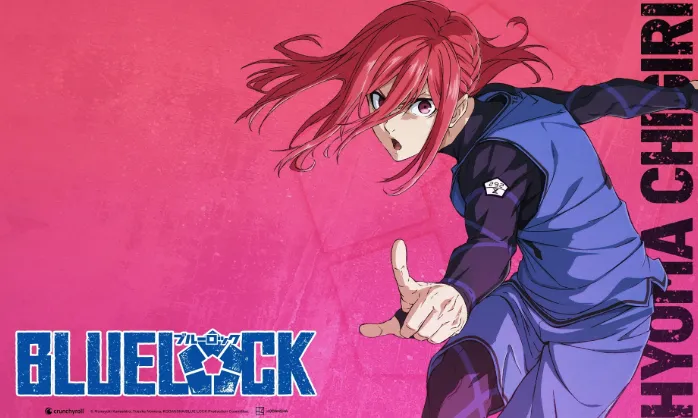
Narrative Impact: Chigiri’s rebellion in Blue Lock is internal rather than external. After suffering a severe ACL injury, he temporarily abandons his aggressive playing style out of fear of reinjury. His return to form represents a psychological breakthrough, where he overcomes hesitation and reclaims his identity as one of the fastest players on the field. This moment marks a defining expression of self-rebellion in modern sports anime.
Generational Legacy: Chigiri has become one of the most recognizable modern red-haired characters due to his aesthetic contrast and elite speed-based playstyle. He represents a new generation of anime athletes where elegance, vulnerability, and competitiveness coexist, making him a standout figure in contemporary fan culture.
8. Yona (Yona of the Dawn)
Visual Symbolism: Yona begins her journey defined by her bright red hair, once a source of insecurity due to its association with royalty and attention. In a pivotal moment, she cuts it short to escape captivity, transforming it into a powerful symbol of survival and personal rebirth.
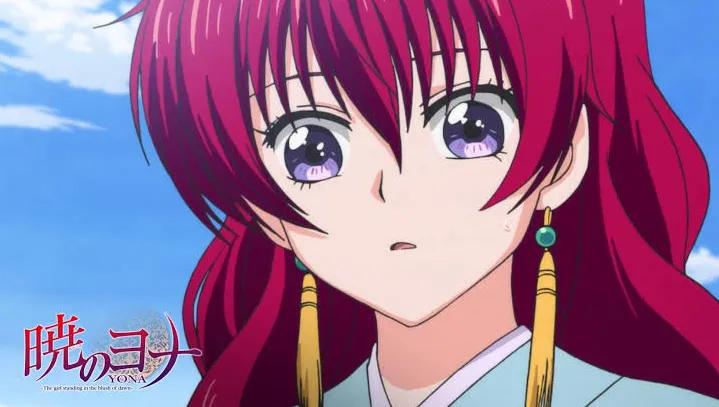
Narrative Impact: After a violent coup destroys her royal life, Yona is forced into exile and stripped of her sheltered existence. Instead of remaining passive, she adapts to the harsh realities of the outside world, training herself in archery and developing the strength to protect others. Her journey evolves from personal survival to active resistance, as she begins working to safeguard her people and rebuild what was lost.
Generational Legacy: Yona stands as one of anime’s most respected portrayals of character growth and female empowerment. Her story redefines the “princess archetype” by shifting it from passive royalty to active leadership shaped through hardship, resilience, and determination.
9. Kallen Stadtfeld (Code Geass)
Visual Symbolism: Kallen Stadtfeld is defined by a powerful contrast in appearance. In her civilian life, she conceals her identity with a restrained hairstyle to maintain the image of a fragile noble girl. On the battlefield, however, her vibrant red hair becomes fully visible, matching the aggressive design of her Knightmare Frame, Guren. This duality visually represents her split identity between oppression and rebellion.
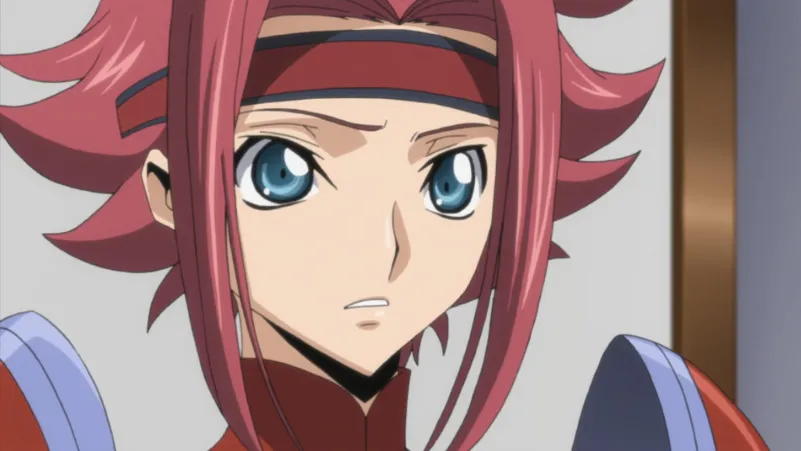
Narrative Impact: Kallen serves as one of the most capable pilots within the Black Knights and a key force in their resistance against the Holy Britannian Empire. Born into Britannian nobility but raised among the oppressed, she rejects her inherited privilege and fights directly on the front lines for Japanese liberation. Her combat skill and unwavering conviction make her one of the strongest tactical assets in Lelouch’s rebellion.
Generational Legacy: Kallen remains one of the most recognizable mecha-era female characters in anime. She is widely praised for breaking away from the traditional “supporting heroine” role, instead standing as a frontline fighter defined by strength, loyalty, and independence within one of anime’s most iconic rebellions.
Part 3: The Psychos / Dark Minds
In contrast to Kings who rule and Rebels who resist, the Psychos represent the most unstable and psychologically complex figures in anime. They are not defined by leadership or defiance, but by obsession, manipulation, and emotional volatility that often blurs the line between genius and madness. In this tier, red hair becomes a signal of intensity—marking characters who operate by their own unpredictable logic, no matter the cost.
10. Hisoka Morow (Hunter x Hunter)
Visual Symbolism: Hisoka Morow is instantly recognizable through his vivid red hair and theatrical jester-like design. His appearance reinforces his role as a volatile wildcard in Hunter × Hunter, with a visual identity that reflects unpredictability, danger, and performance-like cruelty.
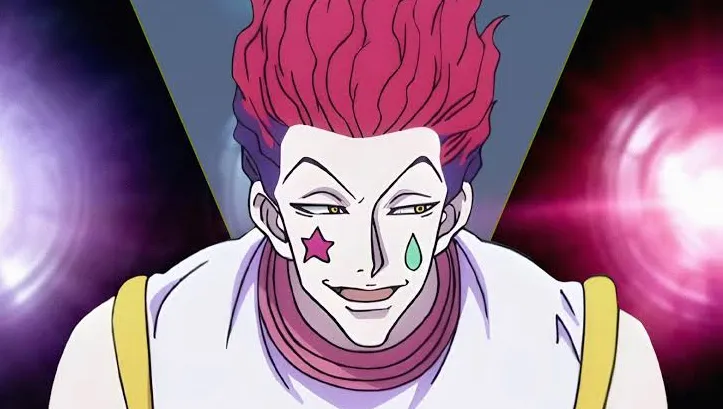
Narrative Impact: Hisoka operates entirely outside traditional moral boundaries. He is not driven by ideology or ambition, but by a personal obsession with strong opponents. He seeks out promising “fruits” like Gon and Killua, observing and testing them as they grow stronger, only to eventually turn on them when they reach their peak potential. His calm demeanor during combat and psychological manipulation makes him one of the most unpredictable threats in the series.
Generational Legacy: Hisoka has become one of the most iconic antagonists in modern anime. His presence consistently raises narrative tension, as any scene he enters immediately becomes unpredictable. This constant sense of uncertainty has cemented him as a defining figure in the “chaotic psycho” archetype.
11. Karma Akabane (Assassination Classroom)
Visual Symbolism: Karma Akabane is defined by his clean red hair and sharp, calculating gaze, creating the image of a “smiling demon.” Unlike typical delinquents, his polished appearance contrasts sharply with his unpredictable behavior, making his sudden shifts into violence or cruelty even more unsettling.
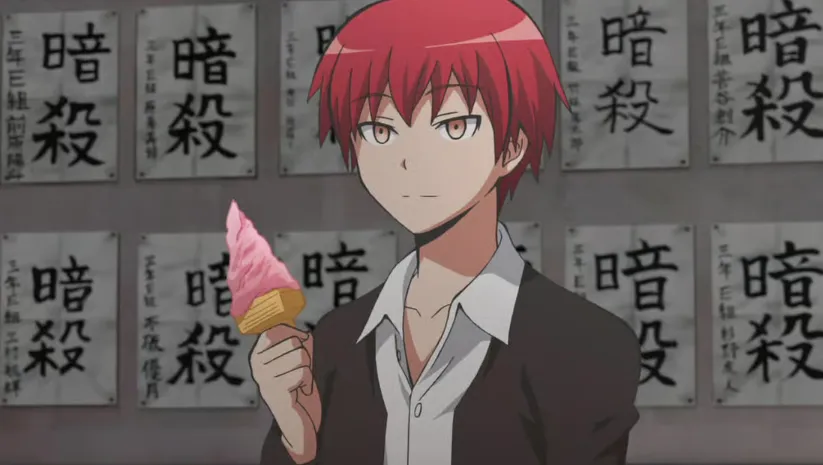
Narrative Impact: Karma is a genius who expresses his rebellion through intelligence and controlled aggression. In Assassination Classroom, while many students hesitate to embrace the idea of assassination, Karma approaches it with confidence and creativity. He often uses psychological tactics, traps, and precise combat instincts to dominate situations, treating conflict as both a game and a test of superiority.
Generational Legacy: Karma is widely regarded as one of the most memorable modern anti-hero students in anime. His character helped redefine the “trickster genius” archetype by balancing loyalty to his peers with a deeply unsettling competitive edge that consistently keeps him unpredictable.
12. Seijuro Akashi (Kuroko's Basketball)
Visual Symbolism: Seijuro Akashi is initially presented with soft rose-red hair and the appearance of a refined, elite leader. However, the emergence of his dominant personality reveals his true psychological state, marked by heterochromia—one red eye and one gold eye. This visual contrast reflects the duality of his character: a composed exterior masking an intensely controlling and fractured mind.
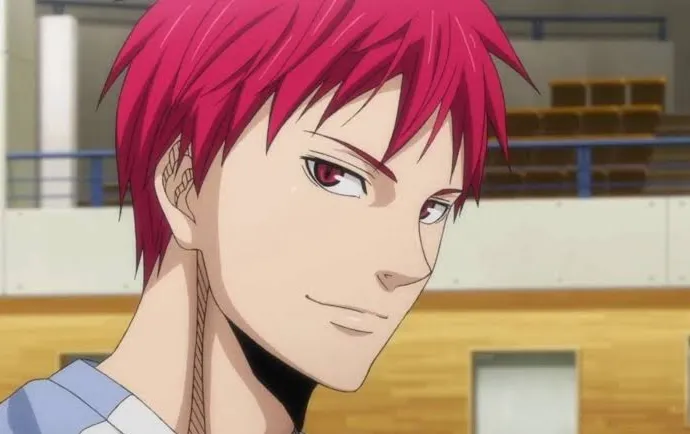
Narrative Impact: Akashi transforms Kuroko’s Basketball into a psychological battlefield. With his “Emperor Eye,” he is able to predict and dismantle his opponents’ movements with precision, asserting control over the flow of the game. His leadership style is defined by absolute authority and uncompromising expectations, creating an environment where teammates are pushed to their psychological limits long before the match is decided.
Generational Legacy: Akashi is widely recognized as one of the most iconic “final boss” figures in sports anime. He redefined the archetype by demonstrating that psychological dominance alone—without supernatural power—is enough to establish an overwhelming presence and lasting cultural impact.
Frequently Asked Questions (FAQ)
1. What counts as a “red-haired anime character” in this list?
In this ranking, “red-haired” is interpreted broadly to include crimson, scarlet, auburn, rose-red, and fire-orange tones. The focus is not strict color coding, but the cultural and visual symbolism associated with red-toned hair in anime characters.
2. Why are red-haired characters often portrayed as rebels or leaders?
Red hair in anime is frequently used as a visual shorthand for intensity, individuality, and emotional strength. As a result, many red-haired characters are written as either natural leaders (Kings) or defiant outsiders (Rebels) who challenge established systems.
3. Who is the strongest red-haired anime character on this list?
Strength depends on context:
-
Shanks (One Piece) represents overwhelming authority and influence
-
Akashi Seijuro (Kuroko’s Basketball) dominates through psychological control
-
Hisoka Morow (Hunter x Hunter) embodies unpredictable combat danger
Each category reflects a different type of “power,” rather than a single hierarchy.
4. Why are some popular characters like Ichigo or Natsu not included?
Characters like Ichigo Kurosaki or Natsu Dragneel were intentionally excluded or reclassified due to strict red-hair definition consistency. Their hair colors fall closer to orange or pink tones, which were separated for accuracy in this ranking.
5. Are red-haired anime characters usually heroes or villains?
They can be both. In anime storytelling, red hair is not tied to morality. Instead, it often signals extreme personality traits—which is why it appears in Kings, Rebels, and Psychos alike.
Conclusion: The Eternal Flame of Anime
Whether they are commanding empires with a steady gaze, ripping up the rulebook on a sports court, or smiling while wielding a pair of scissors, red-haired anime characters remain the undisputed lifeblood of shonen, seinen, and sports anime alike.
They are the figures who refuse to fade into the background. By breaking down these 12 legendary characters into Kings, Rebels, and Psychos, we see that red hair is far more than an artistic preference—it is a visual promise to the audience that whenever this character is on screen, something legendary is about to happen.