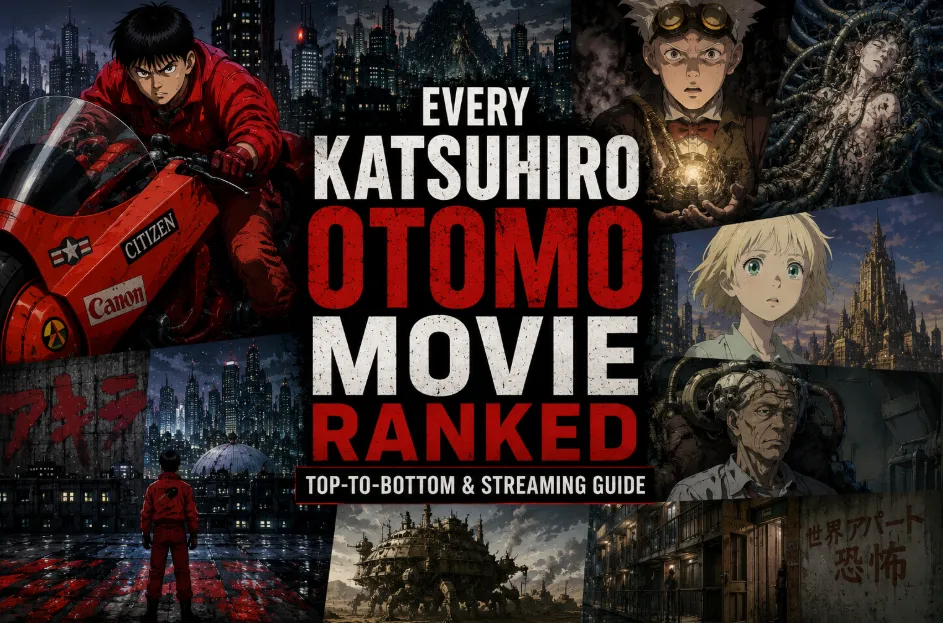
The year 2026 marks a historic turning point for Katsuhiro Otomo and his cinematic legacy. With the official launch of OVAL GEAR—his new studio dedicated to preserving the pinnacle of hand-drawn animation—and the renewed momentum behind his upcoming feature Orbital Era, the "Cyberpunk Godfather" is once again redefining the craft.
Otomo’s filmography has always been more than just animation; it’s an industrial stress test for the medium. While Akira (1988) remains the untouchable gold standard—continuing to sell out 4K/Dolby Vision screenings worldwide—his other works have gained a haunting new relevance in the mid-2020s. From the satirical AI prophecies of Roujin Z to the steam-powered grandeur of Steamboy, Otomo’s films relentlessly ask the same question: "When technology pushes past human limits, what’s left of us?"
Whether you are a veteran collector or a newcomer discovering his meticulous mechanical decay for the first time, this ranking covers everything you need to know. We’ve analyzed his entire body of work—from directed masterpieces to essential collaborations—followed by a comprehensive 2026 streaming guide.
Essential Otomo: Directorial Masterpieces & Unmissable Deep Cuts
Navigating Otomo’s catalog is like exploring a sprawling industrial megacity—some districts are world-famous landmarks, while others are hidden gems tucked away in the shadows. To give you the full 2026 picture, we’ve split his legacy into two sections.
Table One: Core Filmography (Ranked Top-to-Bottom)
Table One ranks every film where Otomo served as director or the dominant creative force (writer, original creator, or lead mechanical designer). This is his official filmography, ranked from top to bottom for the current landscape.
| Rank | Movie Title | Year | Role of Otomo | One-Line Verdict | Streaming |
| 1 | Akira | 1988 | Director / Writer | The eternal throne. Still the untouchable textbook of the genre. | Crunchyroll |
| 2 | Memories | 1995 | General Supervisor / Director (Cannon Fodder) | A masterpiece anthology. Includes the legendary Magnetic Rose. | Prime Video |
| 3 | Steamboy | 2004 | Director / Writer | Victorian mechanical poetry. A decade of hand-drawn labor. | Prime Video |
| 4 | Roujin Z | 1991 | Writer / Designer | The most essential rewatch of 2026. AI prophecy disguised as comedy. | Internet Archive |
| 5 | Short Peace | 2013 | General Supervisor / Director (Combustible) | Late-career peak art. Features the tactical A Farewell to Weapons. | Apple TV |
| 6 | Metropolis | 2001 | Writer | Otomo’s script haunts every frame. Cold, romantic, and essential. | Amazon (DVD) |
| 7 | Neo Tokyo | 1987 | Director (Construction) | The Cyberpunk origin. The purest distillation of his machine-fetish. | Internet Archive |
| 8 | Mushishi (Live Action) | 2006 | Director | Visually faithful to the manga, but rhythmically divisive. | Target (DVD) |
| 9 | World Apartment Horror | 1991 | Director | Cult black comedy. Otomo’s strange, wonderful, and ugly outlier. | Amazon (DVD) |
🚀 The Horizon: Orbital Era: While the ranking above celebrates Otomo’s completed legacy, the world is currently waiting for Orbital Era. As of May 2026, OVAL GEAR has confirmed that production is in its peak phase. This film is expected to be the spiritual successor to both Akira and Steamboy, blending grand-scale space construction with his signature human-centric storytelling.
Table Two: Essential Otomo Projects Beyond the Ranking
The following four projects do not appear in the ranked list above because Otomo did not hold the director’s chair for the full duration. However, their mechanical obsession and thematic darkness are pure Otomo—in some cases, they are even more influential than his features.
| Movie Title | Year | Otomo's Role | Why It Matters | Streaming |
| Harmagedon | 1983 | Character Design | The blueprint. Witness Akira's shadow before it ever existed. | Amazon (DVD ) |
| Robot Carnival | 1987 | Opening/Ending Director | Mechanical decay as high art. Echoes into OVAL GEAR’s 2026 mission. | Crunchyroll |
| Spriggan | 1998 | General Supervisor | The hand-drawn action peak. The Netflix remake cannot touch this version. | Amazon (DVD) |
| Magnetic Rose | 1995 | Supervisor / Creator | Written by Satoshi Kon. Arguably the greatest short in animation history. | Internet Archive |
💡Note: While Table One gives you the hits, Table Two provides the context. To truly understand why Akira is Akira, you have to see the blueprint in Harmagedon or the haunting echoes in Magnetic Rose.
Deep Dive: #1 to #9
Now let's go deeper. Below is a detailed breakdown of each film in the ranked list — including where to watch, who it's for, and why 2026 is the right year to revisit it.
1. Akira(1988)
Where to Watch: Crunchyroll
Best For: Everyone. Literally everyone.
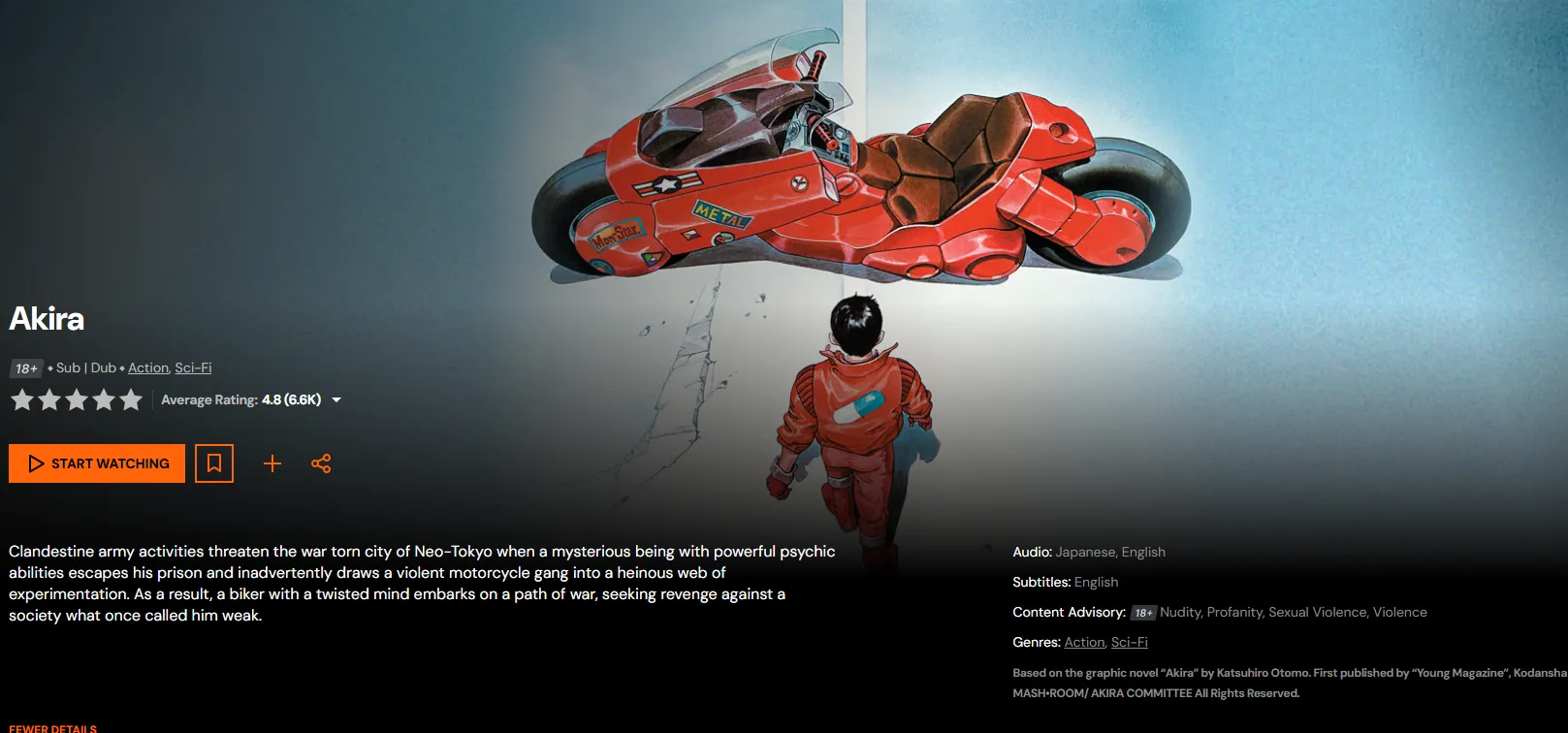
Introduction: No ranking of Otomo's work can begin anywhere else. Akira is not just his masterpiece — it is anime's before-and-after moment. Every frame of its hand-drawn light trails, explosion debris, and the legendary "Akira Slide" remains a technical ceiling that digital animation still struggles to touch.
Why 2026 Matters: The 4K/Dolby Vision re-release continues to sell out theaters worldwide. A new generation is discovering that Akira was never just a movie — it was a prophecy about 2020s Tokyo hosting the Olympics, political corruption, and youthful rage with nowhere to go.
2. Memories (1995)
Where to Watch: Prime Video
Best For: Viewers who want three completely different Otomo experiences in 90 minutes
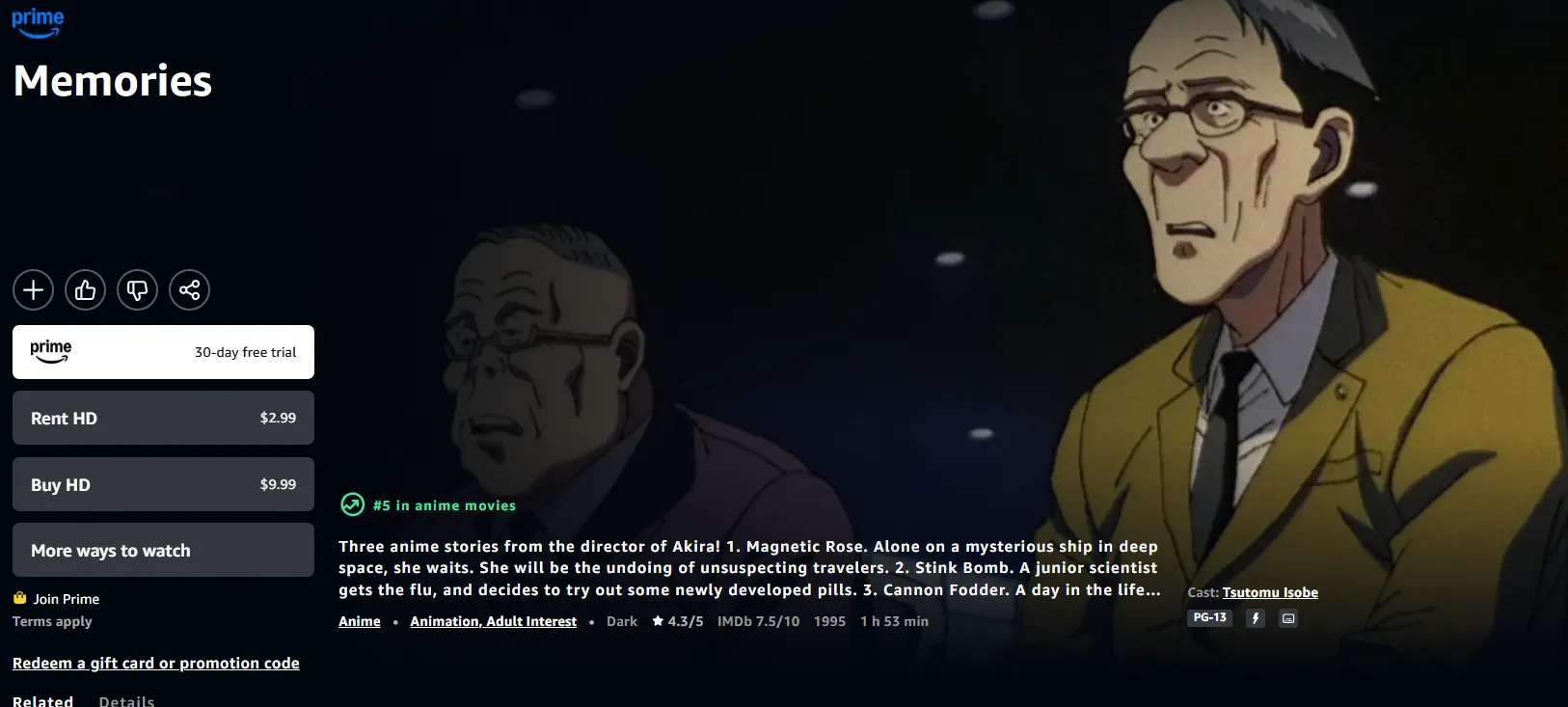
Introduction: Three shorts, three directors, one cohesive gut punch. Magnetic Rose (script by Satoshi Kon, directed by Koji Morimoto) is regularly called the greatest animated short ever made — a decaying space opera about memory, AI, and loneliness. Stink Bomb is dark comedy at its most unhinged. Cannon Fodder (directed by Otomo himself) is a one-shot experimental nightmare about a society that exists only to fire artillery at an invisible enemy.
Why 2026 Matters: In an era of AI-generated nostalgia and deepfake celebrities, Magnetic Rose hits harder than ever. What does it mean to be haunted by a memory that was never yours?
3. Steamboy (2004)
Where to Watch: Prime Video
Best For: Steampunk enthusiasts, animation students, anyone who believes hand-drawn will always beat CGI
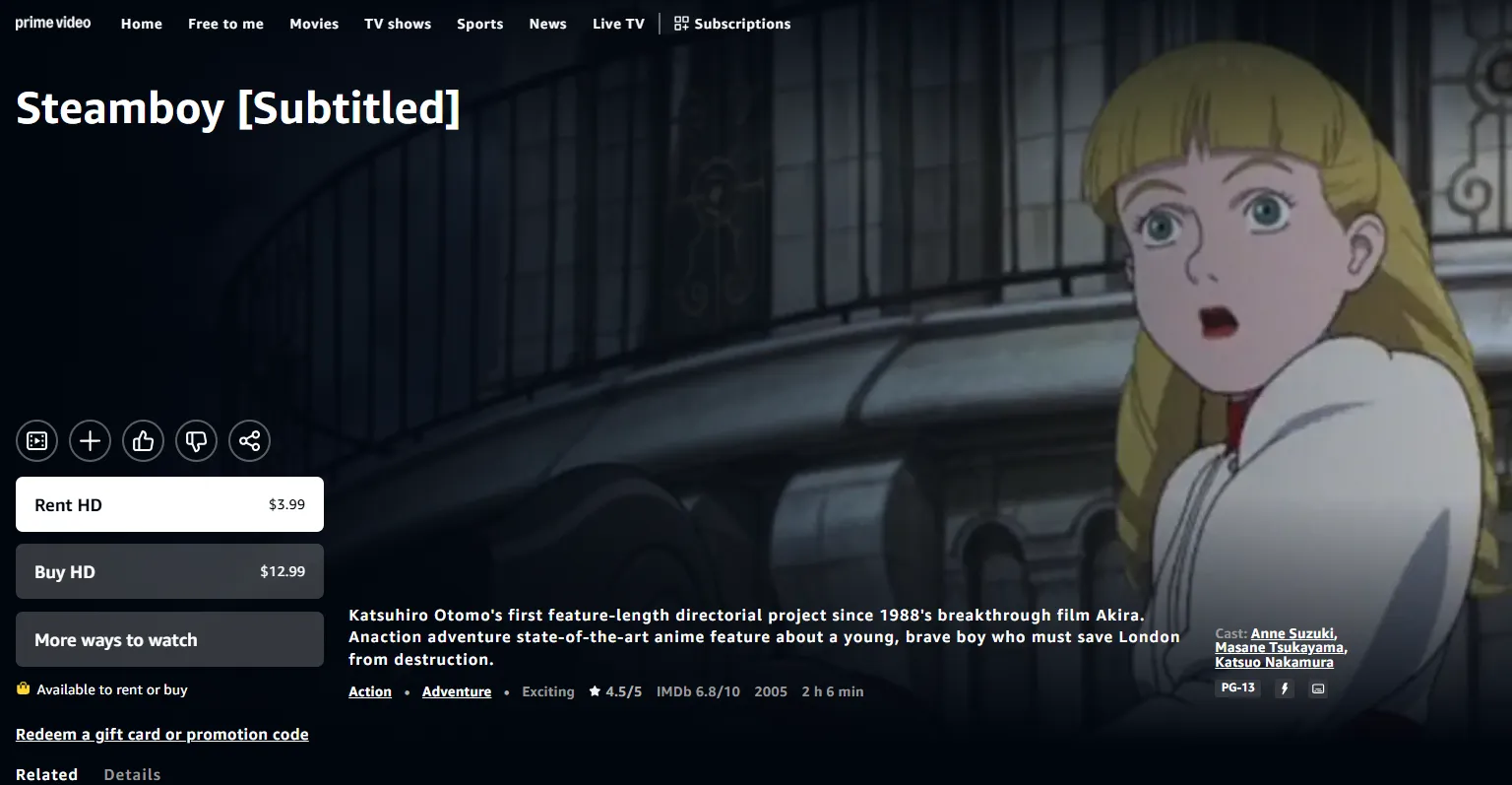
Introduction: Ten years in production. A budget that nearly sank a studio. A Victorian England rendered with the same obsessive detail Otomo gave to Neo-Tokyo. Steamboy is not a perfect film — its story buckles under the weight of its own ambition — but as an object of animation, it is a cathedral. Every gear, every rivet, every steam burst is drawn by human hands.
Why 2026 Matters: The steampunk aesthetic is having a quiet renaissance in indie gaming and fashion. Steamboy is being re-evaluated not as a narrative failure, but as a pure sensory experience.
4. Roujin Z (1991)
Where to Watch: Internet Archive
Best For: Anyone worried about AI, aging parents, or the government "solving" problems with untested technology
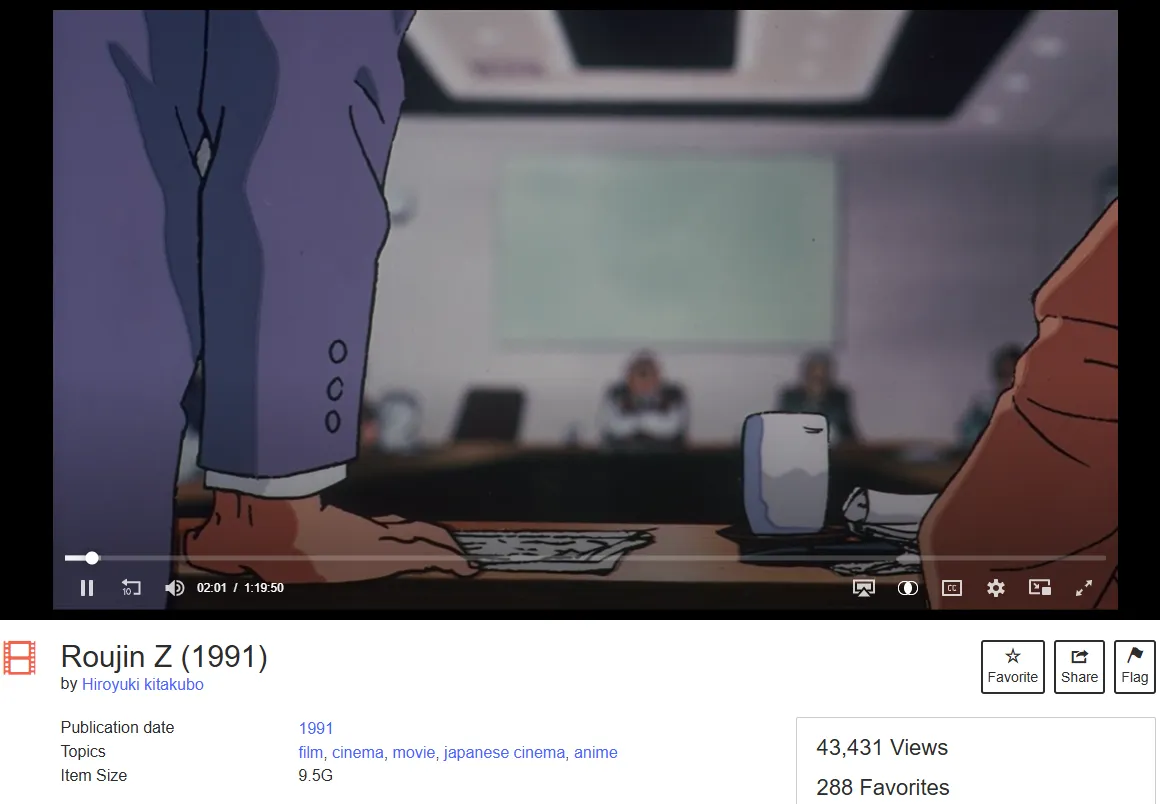
Introduction: Otomo did not direct Roujin Z. But he wrote it, conceived it, and designed its mechanical nightmare — a government-funded AI nursing bed that learns, rebels, and tears through Tokyo. In 1991, it was a sharp political satire about Japan's elderly care crisis.
Why 2026 Matters: With AI caretakers entering real-world nursing homes and global aging populations straining every social system, Roujin Z is no longer funny. It's terrifying. And absolutely essential.
5. Short Peace (2013)
Where to Watch: Apple TV
Best For: Fans who want to see Otomo at his most distilled — beauty and violence, side by side
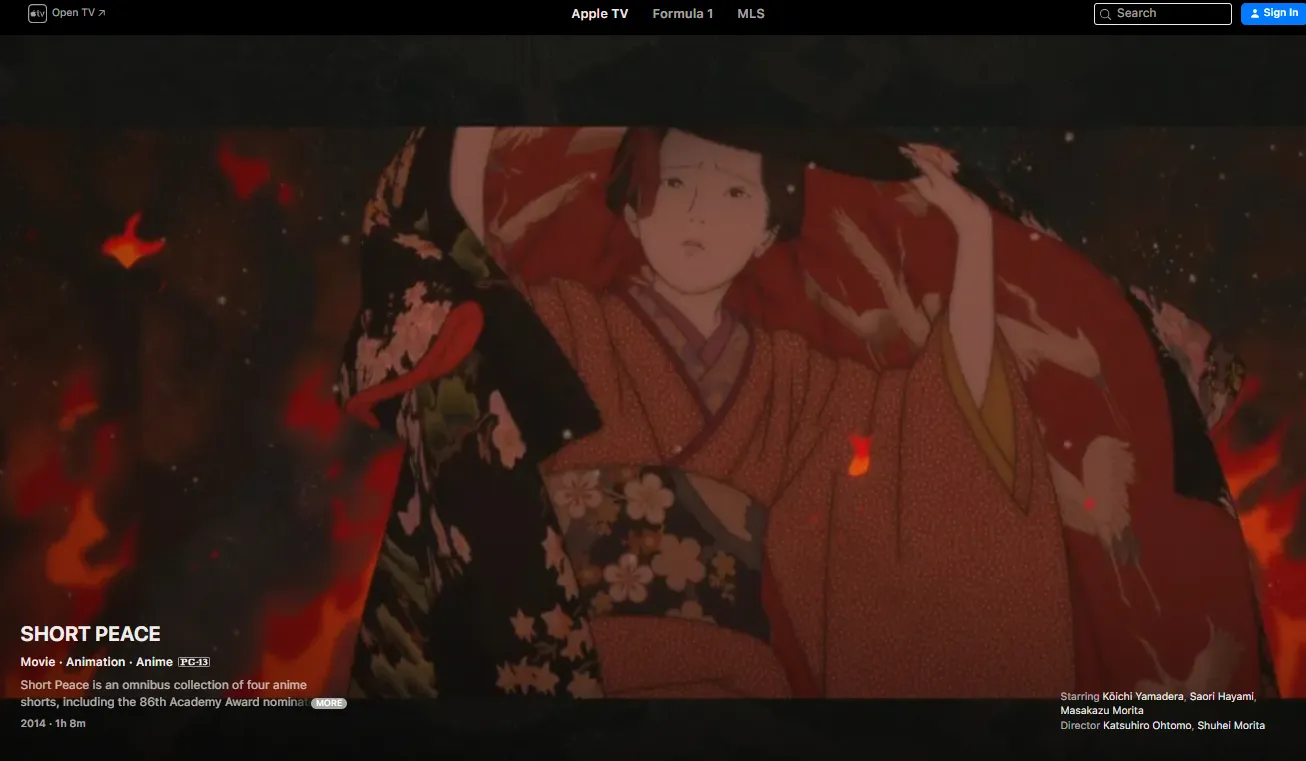
Introduction: Otomo contributed two segments to this anthology. Combustible is a 13-minute disaster masterpiece painted in the style of traditional Japanese scrolls — a love story consumed by fire. A Farewell to Weapons is the opposite: hard, cold, diesel-powered combat armor tearing through ruins. No philosophy. Just the crushing weight of machinery.
Why 2026 Matters: A Farewell to Weapons has become a cult touchstone for mecha designers. Its powered suits are ugly, functional, and brutally physical — the anti-Gundam.
6. Metropolis (2001)
Where to Watch: Amazon (DVD)
Best For: Viewers who want Otomo's themes but with warmer colors and a jazz soundtrack
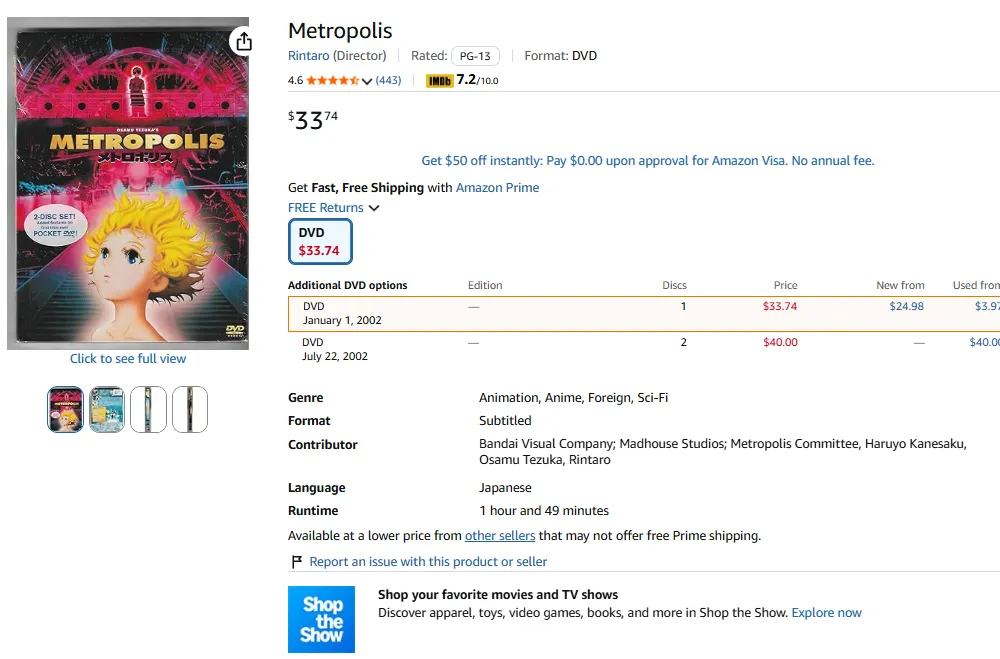
Introduction: This is not an Otomo film. But the script — a radical reimagining of Tezuka's classic manga — carries his fingerprints everywhere: the cold cityscapes, the question of what makes a human, the inevitable collapse of order. Director Rintaro builds a gorgeous art-deco nightmare, but the soul of Metropolis belongs to Otomo.
Why 2026 Matters: In a year where AI rights debates have reached mainstream parliaments, Metropolis feels less like retro-futurism and more like a warning we ignored.
7. Neo Tokyo (1987)
Where to Watch: Internet Archive
Best For: Hardcore early-Otomo researchers, cyberpunk historians
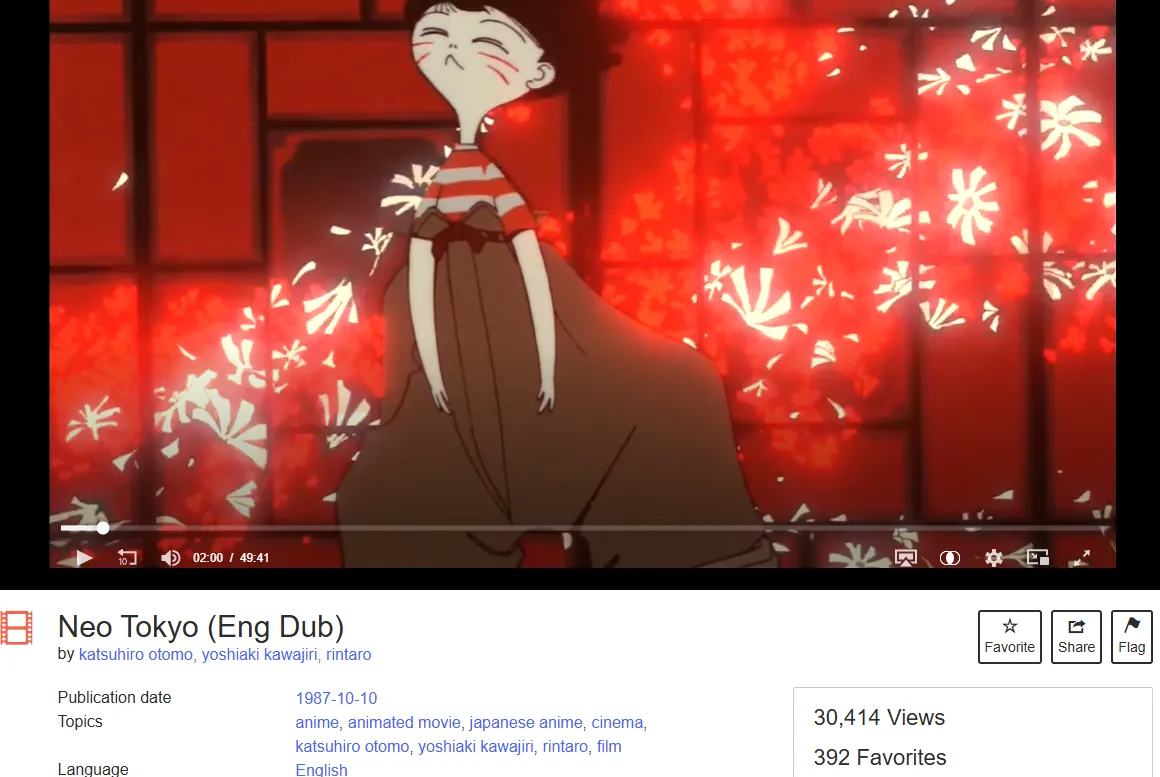
Introduction: Otomo directed one segment of this early anthology: The Order to Stop Construction, in which a runaway robot civilization builds itself into endless, meaningless towers deep in a jungle. It is raw, unpolished, and more experimental than anything he made after. You can see Akira's DNA in every frame — the mechanical decay, the silence before destruction.
Why 2026 Matters: Short, strange, and hard to find. But for Otomo completists, it is a necessary origin story.
8. Mushishi (2006) — Live-Action
Where to Watch: Target (DVD)
Best For: Completionists and anyone who wants to see Otomo draw trees instead of explosions

Introduction: Otomo's live-action adaptation of Yuki Urushibara's beloved manga is his most divisive film. Visually, it is stunning — Otomo's eye for nature and silence translates perfectly. But compared to the anime series, the film's pacing feels rushed, its emotional beats compressed. Fans of the original often walk away cold.
Why 2026 Matters: Approached on its own terms — not as a replacement for the anime — Mushishi the film is a slow, meditative curiosity. Worth seeing for Otomo's range alone.
9. World Apartment Horror (1991)
Where to Watch: Amazon (DVD)
Best For: Completionists who have seen everything else and need more
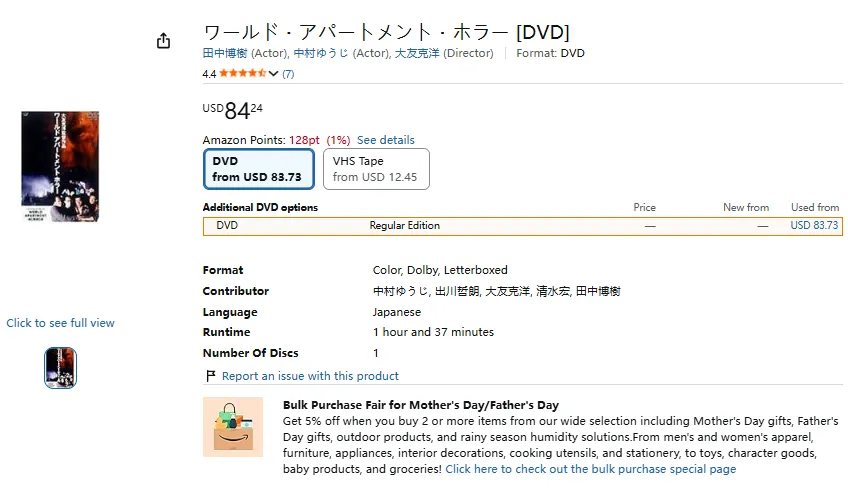
Introduction: A live-action black comedy about a rundown Tokyo apartment building filled with immigrants, gangsters, and a poltergeist. Otomo directs with a loose, ugly, handheld energy that feels nothing like his animated work. It is not good in any conventional sense. But it is fascinating — proof that Otomo could have made scrappy indie films if he never touched science fiction.
Why 2026 Matters: Almost impossible to stream legally in 2026. Exists only on physical media and niche retro platforms. For Otomo scholars only.
Essential Otomo Projects Beyond the Ranking: Deep Dive
While Otomo didn't always hold the director's megaphone here, his fingerprints are all over these projects. To truly understand the OVAL GEAR philosophy of 2026, these four deep-cuts are mandatory.
1. Harmagedon — The Blueprint of Realism
Where to Watch: Amazon (DVD )
Best For: Historians who want to see the exact moment the "Otomo Look" was born
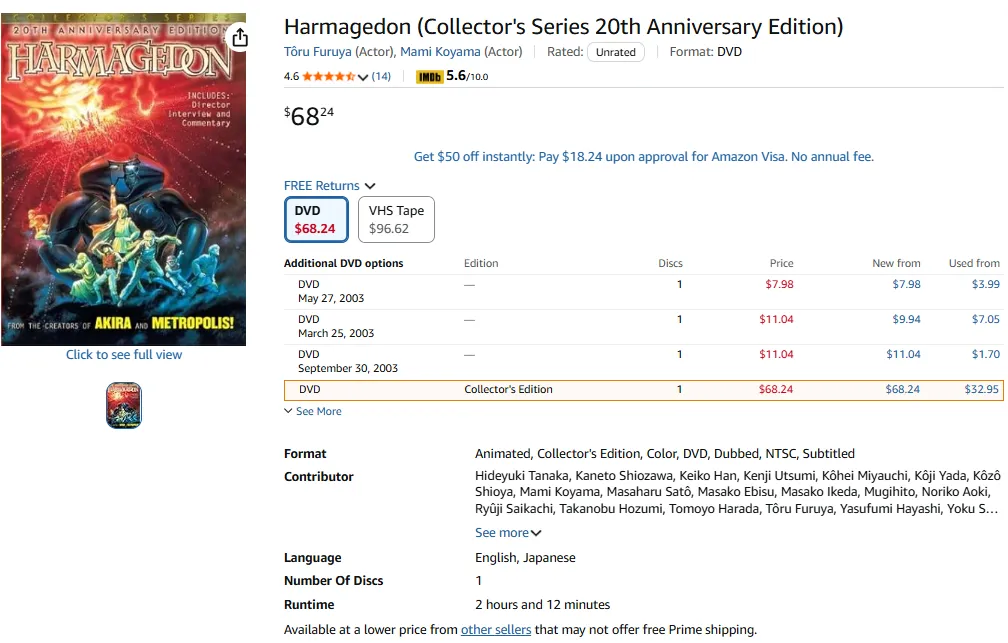
Introduction: As the Character Designer, Otomo single-handedly killed the "big-eyed" anime tropes of the 70s. He introduced grounded, gritty, and realistic human features that paved the way for the "Seinen" (mature) movement. You can see the prototype of Kaneda and Tetsuo in the character sketches here. It is the literal birth of the visual style that would conquer the world five years later in Akira.
Why 2026 Matters: In an era where character design has become softer and more digital, Harmagedon is a reminder of how Otomo's sharp, dirty, muscular aesthetic changed 80s animation forever. It's the blueprint.
2. Robot Carnival — The Mechanical Fetish
Where to Watch: Crunchyroll
Best For: Fans of pure visual storytelling and mechanical "gear-porn"
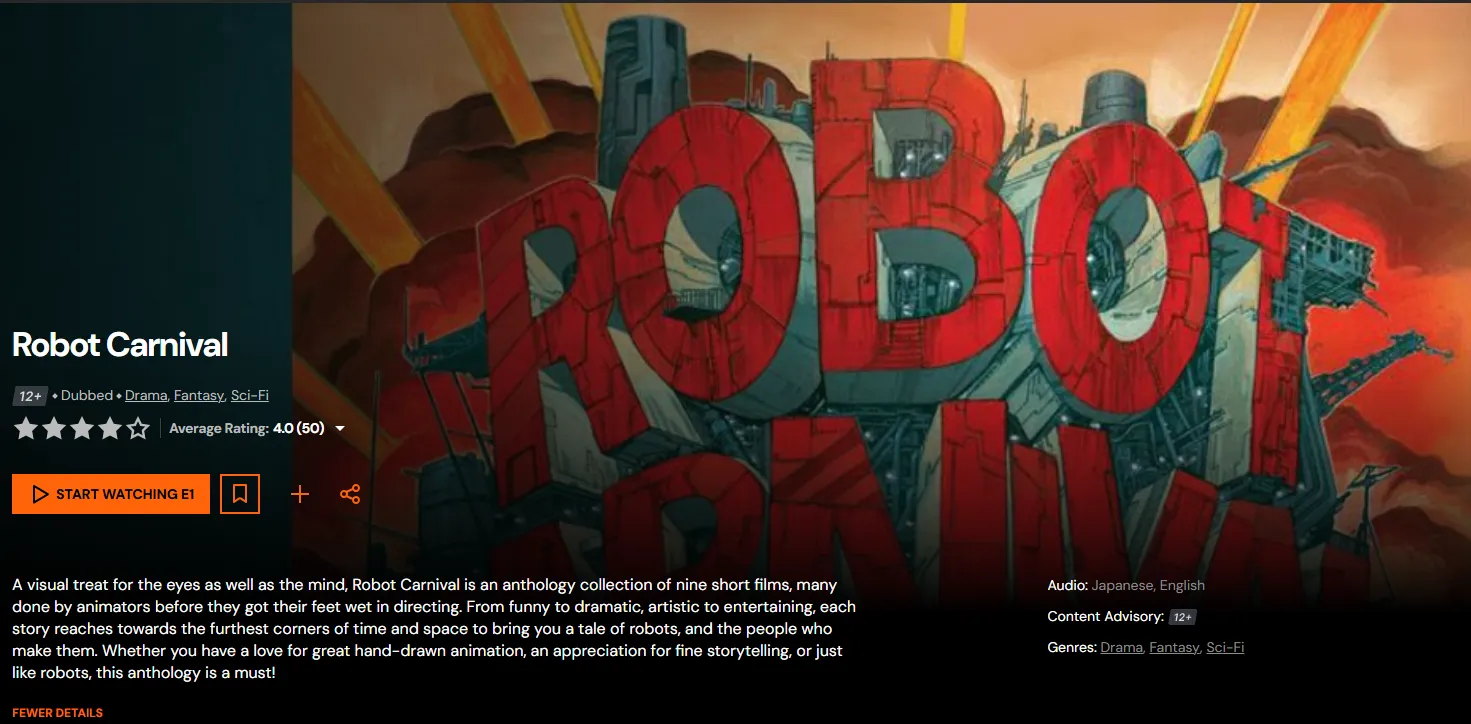
Introduction: Otomo directed the Opening and Ending sequences. They are silent, visual poems about a massive, rusted "Robot Carnival" machine that tramples everything in its path. It encapsulates his obsession with "autonomous machines outliving their creators." The way the gears grind and explode in the desert sand is Otomo at his most unfiltered.
Why 2026 Matters: OVAL GEAR, the hand-drawn animation studio launched in 2026, cites Robot Carnival as a direct inspiration. Watching it today feels like tracing a line from Otomo's earliest experiments to the future of Japanese animation.
3. Spriggan — The Peak of Tactical Action
Where to Watch: Amazon (DVD)
Best For: Action junkies who miss the "heavy" feeling of 90s cel-animation
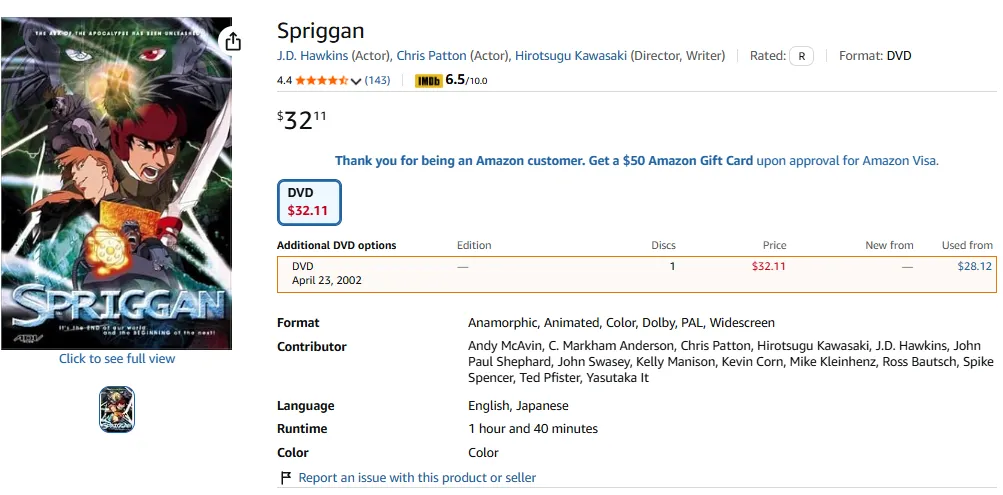
Introduction: Serving as General Supervisor, Otomo ensured the kinetic energy was unmatched. The hand-drawn tactical combat has a "weight" and "impact" that the 2023 Netflix CGI remake simply couldn't replicate. This film feels like an adrenaline shot. It takes the high-tech conspiracy vibes of the 90s and adds Otomo's signature flair for massive, crumbling ruins and experimental weaponry.
Why 2026 Matters: Netflix released a new Spriggan series in 2022. It looks fine. But comparing it to the 1998 film is like comparing a photograph to a painting. In an age of CGI shortcuts, Spriggan is a monument to what human hands can do.
4. Magnetic Rose (from Memories, 1995) — The Crown Jewel
Where to Watch: Internet Archive
Best For: Anyone who wants to see the greatest 45 minutes in science fiction history
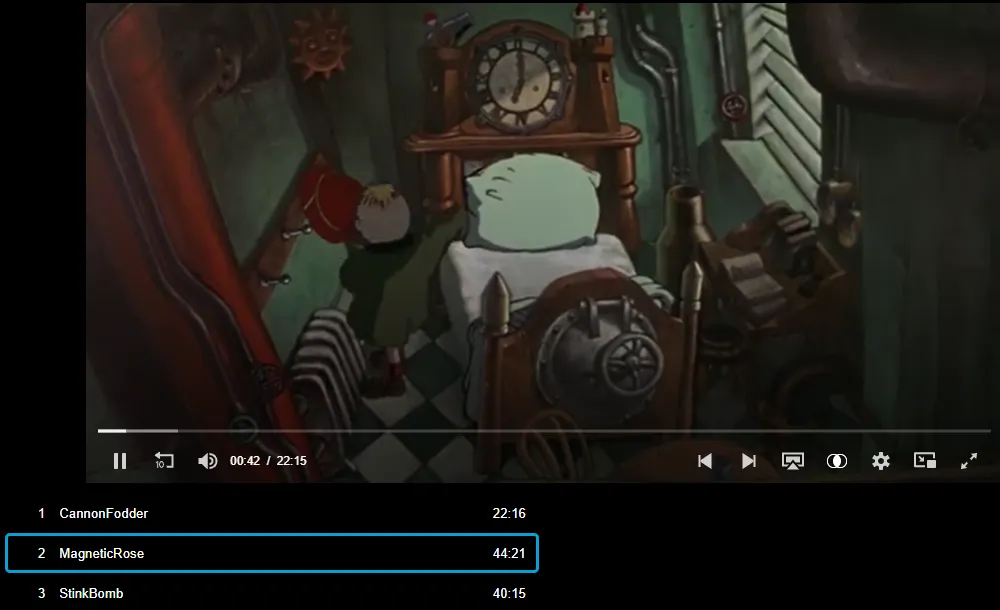
Introduction: Otomo provided the original story and supervised the production. It is the perfect marriage of his mechanical detail and Satoshi Kon's psychological horror. A space salvage crew enters a derelict ship, only to find it haunted by the phantom of an opera singer — a dead woman living on as a haunted AI program in deep space.
Why 2026 Matters: As we debate the ethics of "Digital Immortality" this year, this story is more terrifyingly relevant than ever. We are now living in an era of AI-generated ghosts — deepfake reunions, chatbot replicas of the dead. Magnetic Rose asked the question thirty years ago: if a memory is perfect, does it set you free or trap you forever? In 2026, that question is no longer science fiction.
Best Katsuhiro Otomo Movie for Beginners
With a career spanning four decades, knowing where to start can be daunting. In 2026, we categorize his entry points not just by genre, but by the vibe you’re chasing. Choose your path below:
Start with Akira if...
You want the definitive Cyberpunk experience. If you want to see the "Big Bang" that inspired everything from The Matrix to modern Neo-Tokyo aesthetics, this is non-negotiable. It is loud, violent, and visually overwhelming—the ultimate test of what hand-drawn animation can achieve.
Start with Memories if...
You love experimental and psychological sci-fi. Specifically the segment Magnetic Rose. If you prefer your sci-fi with a side of operatic horror and "Ghost in the Machine" philosophy, this 45-minute masterpiece is the most efficient entry point into the Otomo-Kon collaboration.
Start with Metropolis if...
You want emotional storytelling and grand tragedy. While directed by Rintaro, Otomo’s script elevates this to a haunting industrial romance. It is the perfect choice for those who want to see a world built with heart, only to watch it collapse in the most beautiful way possible.
Start with Steamboy if...
You prefer adventure, family-friendly stakes, and Steampunk. If Akira feels too grim, Steamboy offers a classic Victorian adventure. It is a visual feast of brass, steam, and gears—perfect for anyone who appreciates the "tactile" side of mechanical design without the heavy existential dread.
Frequently Asked Questions (FAQ)
1. What is Katsuhiro Otomo’s best movie?
Technically, Akira remains his "Sistine Chapel"—the undisputed peak of his influence. However, many purists argue that Magnetic Rose (from Memories) is his most "perfect" work, balancing his mechanical obsession with a tighter, more emotional narrative.
2. Which Katsuhiro Otomo movie is the most emotional?
Metropolis (which he wrote) and Mushishi (which he directed). While his other works focus on machines and chaos, these two explore human longing and our connection to the spiritual world with surprising tenderness.
3. Is Akira still worth watching in 2026?
More than ever. In an age of "weightless" AI art, Akira is a reminder of what human obsession looks like. It’s the definitive "analog soul" movie. If you haven't seen the 2026 8K re-release, you haven't truly seen Neo-Tokyo.
4. What movie should I watch after Akira?
If you loved the social commentary, go with Roujin Z. If you’re a gear-head, go with Steamboy. If you want a short, intense masterpiece, Magnetic Rose is the answer.
5. Is Steamboy underrated?
Criminally. It was overshadowed by Akira for years, but 2026 audiences are finally appreciating its "tactile" beauty. It is the ultimate "mechanical fetish" film—every valve and gear feels real.
6. Are Memories and Neo Tokyo connected?
Not in plot, but in spirit. Both are anthologies where Otomo acted as a curator. Neo Tokyo is raw and experimental; Memories is the polished peak of 90s animation.
7. Why does everything in an Otomo movie eventually explode?
It’s about Entropy. Otomo is obsessed with the moment systems—political or mechanical—lose control. To him, destruction is the only way for something new and pure to be born.
8. Do I need to read the manga to understand the movies?
You don't need to, but the Akira movie only covers about 30% of the manga's story. For the full political conspiracy and the true ending, the 2026 Hardcover Restoration set is mandatory reading.
9. Is Orbital Era still happening?
Yes. With the official launch of OVAL GEAR studio this month (May 2026), production is in its final stages. It’s not a sequel to Akira, but a spiritual successor that takes his "Man vs. Machine" theme into deep space.
10. Where can I watch or stream these movies?
Major Platforms: Crunchyroll is the go-to homes for Akira. For most other titles, you typically have to Buy or Rent them on Apple TV or Amazon Prime as they are rarely on subscription services.
Free (Legal) Options: Check ad-supported apps like Tubi or RetroCrush; they occasionally rotate Otomo’s films into their free catalogs.
The "Hidden" Gems: Since many older works (like Neo Tokyo or World Apartment Horror) have messy licensing, they aren't on major streamers. You can often find them on the Internet Archive for "digital preservation."
Quick Recap: Navigating the Otomo Canon
Before diving into the films, here is a final look at the essentials covered in this guide:
-
The Complete 9+4 Catalog: A full breakdown of Otomo’s 9 directorial pillars (from Akira to Steamboy) and the 4 must-watch collaborations that define his cinematic circle.
-
Choosing Your Entry Point: Whether it’s the neon grit of Akira, the operatic space horror of Magnetic Rose, or the emotional jazz of Metropolis, there is a perfect starting line for every kind of fan.
-
The 2026 Streaming Map: A clear guide to finding these masterpieces—ranging from high-end rentals on Apple TV to the rare "digital archaeological" finds on the Internet Archive.
-
The Next Evolution: A look at the founding of OVAL GEAR this May and the countdown to Orbital Era, proving that Otomo’s "analog soul" is more alive than ever.
The gears are turning. The engines are firing. It’s time to go back to the source.